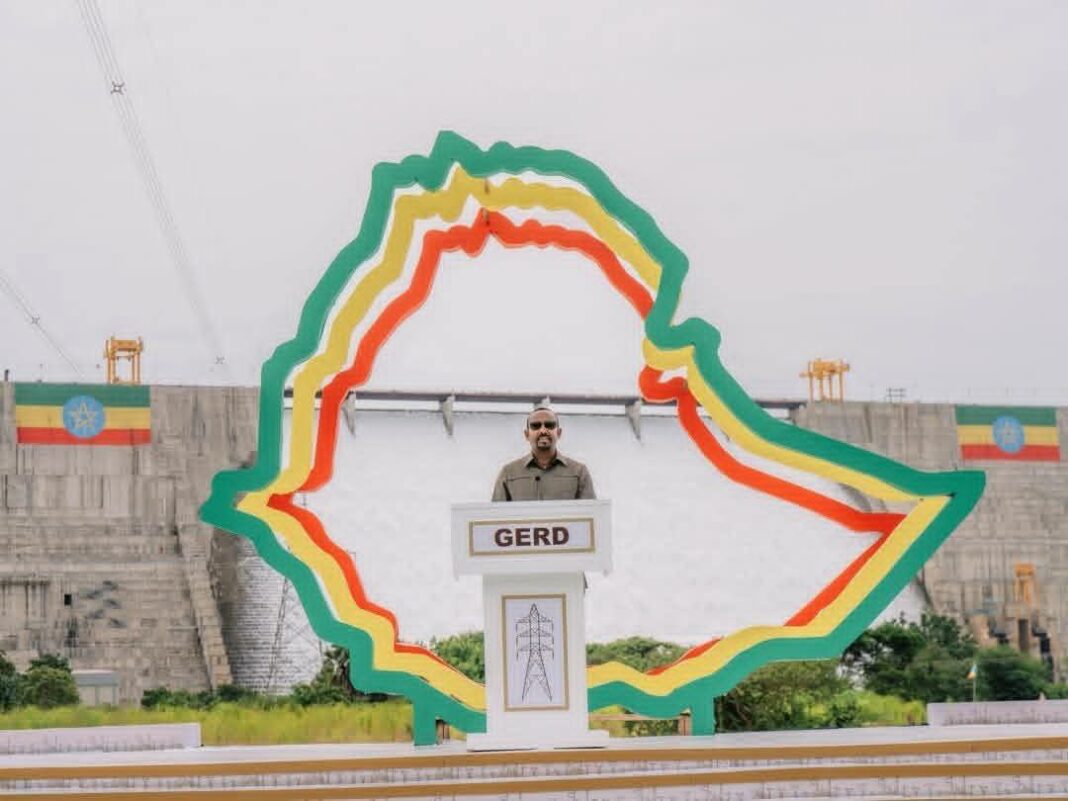
In a historic achievement for the continent, Ethiopia inaugurated the Grand Ethiopian Renaissance Dam (GERD) in September 2025, Africa’s largest hydroelectric project. Professor Saleem H. Ali of the University of Delaware notes the project “defied all odds,” as it was completed despite multilateral donors withdrawing funding and amid tensions with downstream Nile countries, Egypt and Sudan.
Facing a financial shortfall, Ethiopia turned to its citizens. As Prof. Ali outlines, “Ethiopian citizens raised a staggering $460 million for the project, largely from crowdsourcing campaigns, bond sales… from the diaspora spread out all over the world.” The dam’s completion is seen as a monumental step for a country where over half the population lacks grid electricity.
The professor recalls an Ethiopian colleague citing Nobel laureate Richard Smalley, who concluded “energy delivery as the most important challenge facing humanity.” According to Prof. Ali, the project’s success exemplifies a “convergent governance” model, where “state-led vision aligned with grassroots agency.
” He also highlights that Prime Minister Abiy Ahmed’s guiding principle of “Medemer,” an Amharic word signifying “synergy, convergence, and teamwork,” was pivotal. While the dam is operational, on his article published on Forbs Prof. Ali cautions that “managing downstream expectations for water flow will be essential to ensure regional stability.” He suggests that Ethiopia’s leadership must now focus on sustainable development and multilateral cooperation to ensure the project fulfills its promise for the nation and the region. ©SECO