By EBV staff writer
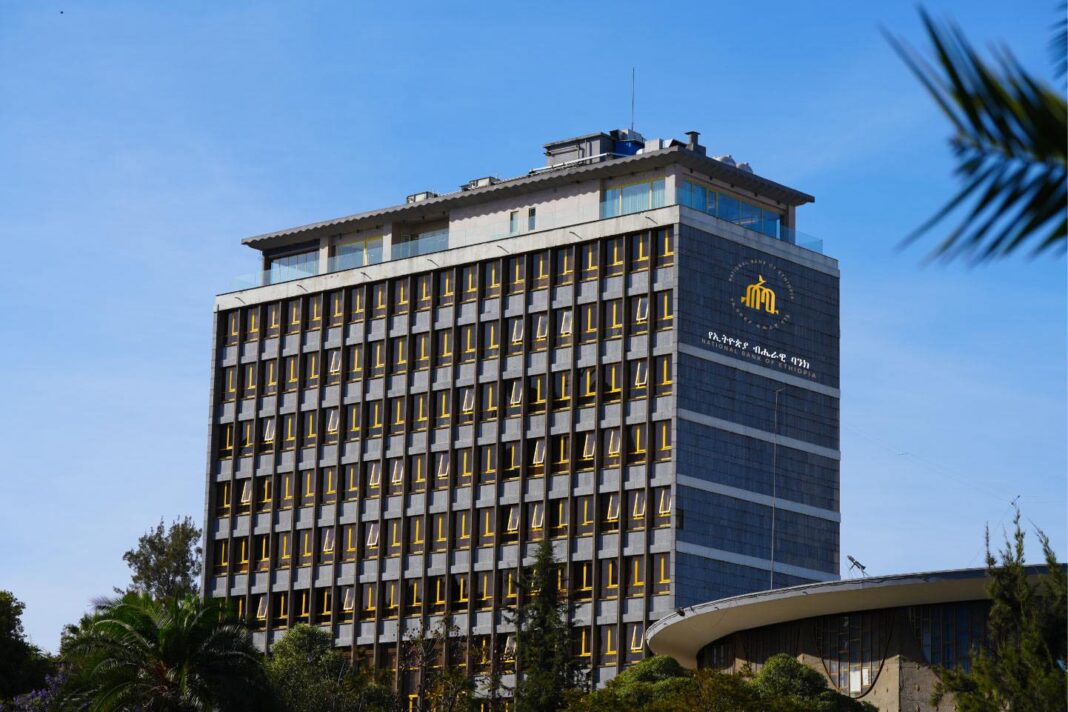
The National Bank of Ethiopia (NBE) has announced plans to develop alternative money market instruments tailored for the nation’s interest-free banking sector. This initiative aims to integrate these Sharia-compliant financial institutions into the formal financial markets from which they have historically been excluded.
Currently, conventional banks in Ethiopia utilize established money market mechanisms, such as the interbank lending market and treasury bills. These instruments serve a dual purpose: providing banks with a return on idle funds and helping the government finance its budgetary requirements.
However, fully-fledged Interest-Free Banks (IFBs), authorized to operate in Ethiopia approximately six years ago, have been unable to participate in these markets. Their core principles, which prohibit interest-based transactions, render the conventional instruments incompatible with their business models.
In a significant policy shift, the central bank is now considering the creation of new financial products. These instruments would enable IFBs to engage in both primary and secondary markets in a manner that aligns with their ethical and religious guidelines.
This development occurs against the backdrop of the NBE’s credit growth policy. In August 2023, the bank imposed a credit expansion cap, which was later amended twice. In late September, the NBE’s Monetary Policy Committee raised the annual credit growth limit to 24 percent, up from the 18 percent set earlier in the year. This policy is part of a broader strategy to control inflation, which has seen a notable decline, falling to 11.7 percent last month from over 20 percent two years ago.
The credit cap faced strong opposition from newly established banks, including IFBs. These institutions argued that the regulation unfairly constrained their growth. They contended that, unlike conventional banks, they lack alternative, non-credit revenue streams—such as investments in the interbank market, bonds, or treasury bills—making them disproportionately reliant on lending for income. IFBs reported that the cap led to a buildup of mobilized resources that could not be deployed.
Responding to these concerns, the NBE has now exempted the four fully operational interest-free banks from the credit growth ceiling.
This decision comes amid reports that the government had previously committed to the International Monetary Fund (IMF) to fully lift the credit cap by September, a deadline that was not met. Financial experts suggest that a complete removal of the cap is unlikely until inflation is stabilized within a single-digit range.
The move to develop new financial instruments is widely seen as a critical step toward fostering a more inclusive and equitable financial system in Ethiopia, ensuring all players can operate on a level playing field. ©SECO