A clash is emerging between National Bank of Ethiopia (NBE) and export sector experts, as the NBE’s stern warning to exporters over delayed foreign currency repatriation meets claims that its favored “Cash Against Documents” system is fundamentally to blame.
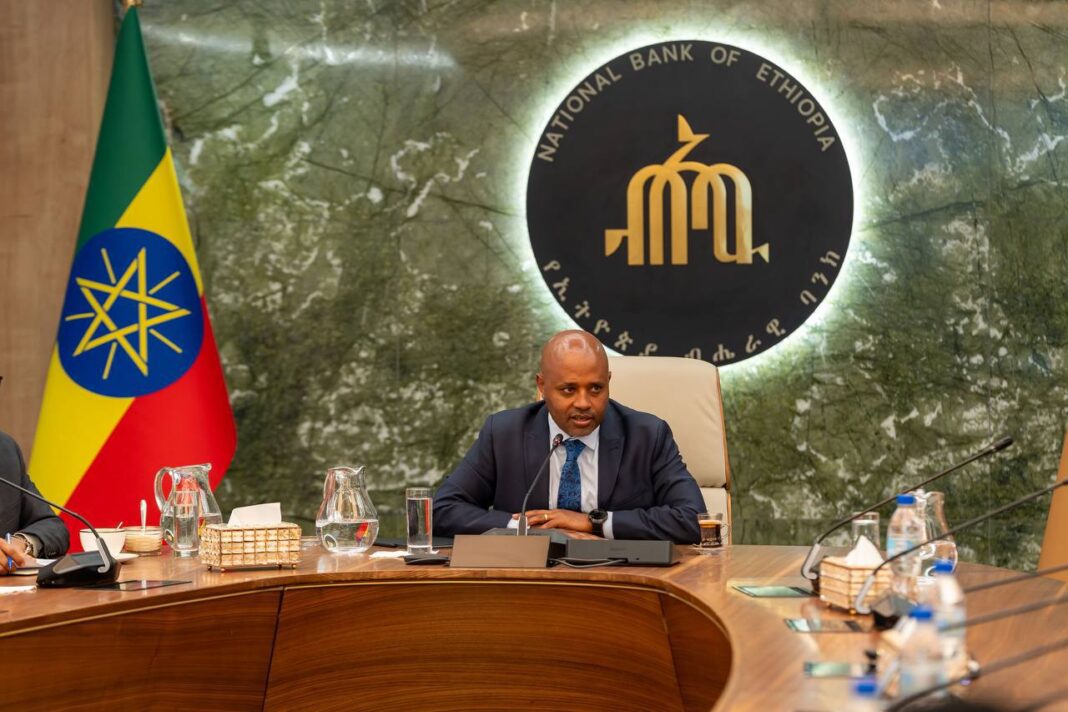
The warning follows a high-level consultation on Monday between the central bank and exporters of coffee, sesame, and pulses to address persistent gaps in repatriation.

In a statement released after the meeting, chaired by Governor Eyob Tekalegn (PhD), the NBE emphasized its commitment to safeguarding Ethiopia’s foreign exchange earnings. “The central bank will take measures to ensure compliance,” the statement read, noting its preference for constructive dialogue before enforcement. Governor Eyob stressed the NBE’s responsibility to ensure export proceeds are returned to the country “promptly and transparently.”
However, sector experts directly link the growing delays to a government policy shift. They argue that the move away from the secure Letter of Credit (LC) system toward greater use of the Cash Against Documents (CAD) system has created a significant loophole.
“The country previously relied mainly on the LC scheme, which helped guarantee the return of foreign currency,” one exporter with over 20 years of experience told *Ethiopian Business View*. “But the expansion of CAD in recent years has allowed foreign currency to remain outside the country.”
Experts allege that some exporters are abusing the less-secure CAD system by keeping earnings overseas. They note a particular prevalence in the coffee sector, where some businesses operating under licenses held by uninvolved individuals have reportedly disappeared without repatriating funds.
“The government expanded the alternative system to boost export earnings, but it has ended up harming foreign currency generation,” experts stated. They are urging a policy reconsideration, suggesting a return to the LC system or, at a minimum, the imposition of caps on the value or volume of goods allowed under CAD.

The NBE’s statement concluded by reiterating its commitment to working with the private sector to resolve challenges, strengthen compliance, and protect Ethiopia’s economic interests.