By EBV staff writer
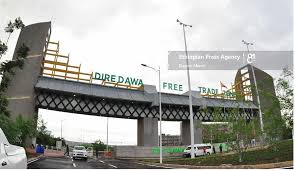
The Dire Dawa Free Trade Zone (FTZ), Ethiopia’s pioneering economic zone, is demonstrating tangible impact in its first year of operation, having already facilitated over USD 100 million in goods and attracted more than 45 large-scale investors.
This early success is now fueling an ambitious national goal to channel nearly USD 4 billion worth of trade through the zone within five years.
Operational for just one year, the FTZ is validating its core strategy of leveraging proximity to Djibouti’s ports to streamline Ethiopia’s trade and logistics framework.
Industrial Parks Development Corporation CEO Fisseha Yitagesu, addressing a stakeholders’ forum, highlighted that the zone is actively easing congestion at Djibouti’s port while creating a more efficient gateway for Ethiopian imports and exports.
“The Dire Dawa FTZ has already shown promising results in facilitating the country’s trade and logistics system,” Fisseha stated, underscoring its dual role as a relief valve for port congestion and a catalyst for seamless trade by closing procedural gaps for investors.
According to the state owned Ethiopian News Agency, the government positions the zone as a bold move to transform the economy, designed to drive trade, attract foreign direct investment, and generate jobs in sectors like textiles, garments, and logistics. Its model combines integrated infrastructure with investor-friendly one-stop services.
With the bulk of Ethiopia’s imports flowing through Djibouti, the strategic importance of the Dire Dawa FTZ is amplified. CEO Fisseha stressed that realizing the multi-billion-dollar trade target is contingent on strong, coordinated action from all sector stakeholders, urging each to fully discharge their responsibilities.
Launched by Prime Minister Abiy Ahmed, the Dire Dawa Free Trade Zone was established to strengthen Ethiopia’s integration into global and African trade networks, including the African Continental Free Trade Area (AfCFTA), by reducing logistics costs and positioning the country as a competitive value-addition hub along the Djibouti corridor.©SECO