By Fitihawok Yewondwossen
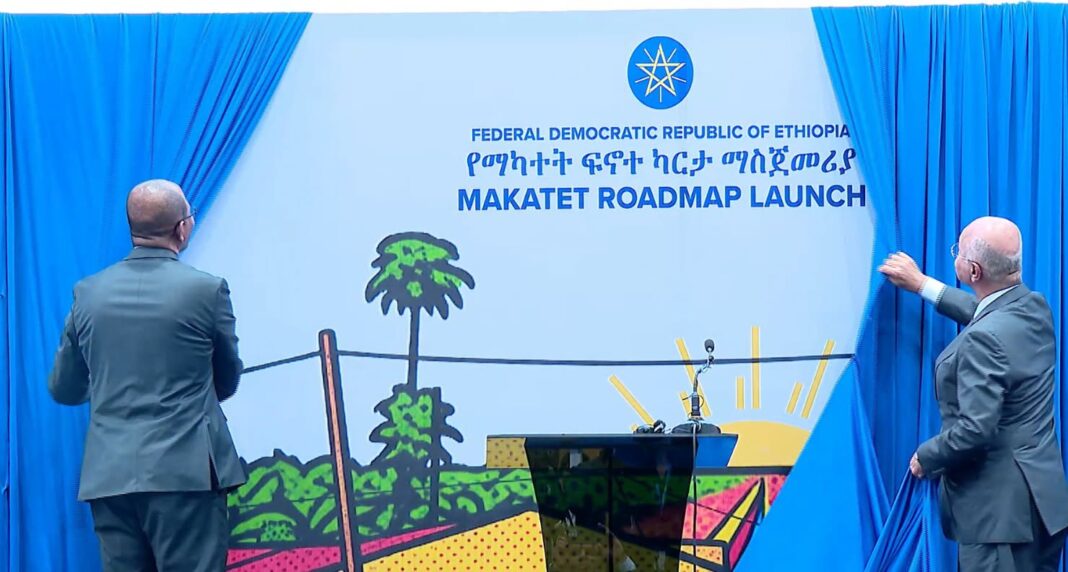
In a landmark move, the Government of Ethiopia has officially launched the Makatet Roadmap, signaling a revolutionary shift from humanitarian relief to sustainable development for refugees.
Developed through an inclusive national process, the comprehensive framework transforms camp structures into integrated, self-sustaining settlements connected to national service systems—benefiting both refugees and host communities.
“The Makatet (integrate) Roadmap is our decisive answer to decades of fragmented assistance,” declared Director General of Refugees and Returnees Service Teyiba Hassen. “Refugees and host communities will now grow together under a unified government-led system.”
The initiative, endorsed by the African Union as a continental model, aligns with Agenda 2063’s aspirations for inclusion and stability.
UN High Commissioner for Refugees Barham Salih praised the vision as a global standard for localized development and responsibility sharing, emphasizing alignment with UNHCR’s 50 by 35 goal to reduce aid dependency.
“This is a binding strategy for inclusion,” affirmed Speaker of the House of People’s Representatives Tagesse Chaffo, pledging Ethiopia’s full political commitment to area-based integration across all refugee-hosting regions.
The roadmap marks Ethiopia’s determination to treat refugees as active contributors to national growth—a breakthrough demonstrating that protection and development can advance hand in hand.SECO