By EBV staff writer
The National Bank of Ethiopia (NBE) is expected to relax foreign exchange surrender requirements for commodity exporters at the beginning of the 2026/27 fiscal year, as part of the government’s broader macroeconomic and foreign exchange reform agenda.
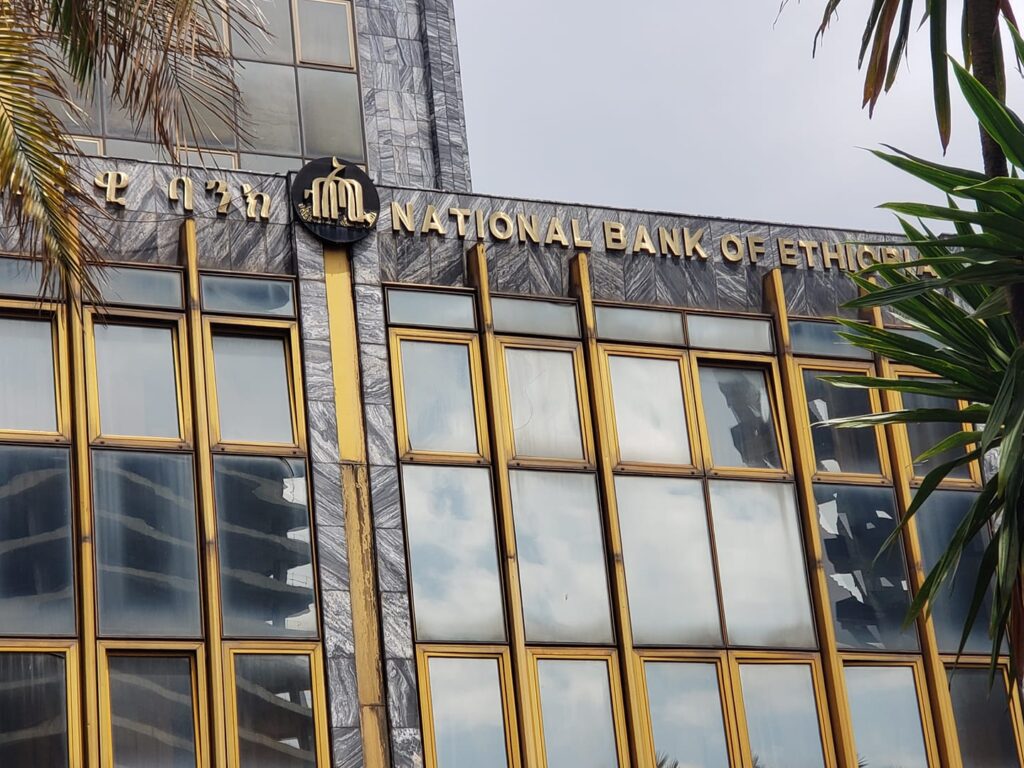
The move comes despite the Ethiopian birr having depreciated by approximately 15 percent against major international currencies over the past year. The Ministry of Finance, however, projects that the currency will stabilize during the upcoming fiscal year, which begins in early July.
A key component of the reform package will be the rollout of the Foreign Exchange Monitoring and Orchestration Unified System (FEMoUS), a digital reporting platform designed to modernize and improve the management of foreign exchange transactions across the banking sector.
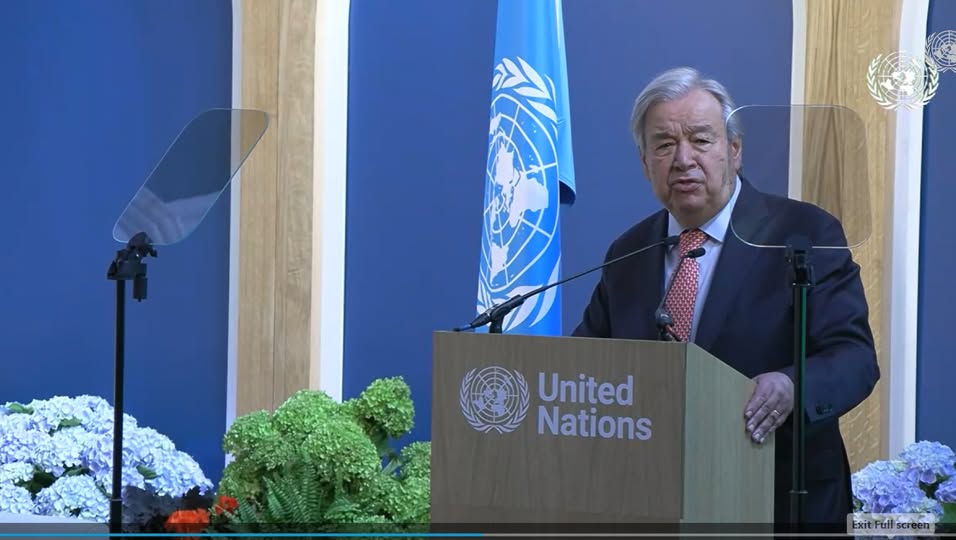
Speaking before Parliament in his latest address, Finance Minister Ahmed Shide said the government would implement several foreign exchange administration reforms during the 2026/27 fiscal year.
the NBE is expected to establish an interdealer foreign exchange trading platform by the beginning of the Ethiopian New Year
“The government will continue implementing measures to stabilize the foreign exchange market,” Shide said. “Ongoing reforms are expected to strengthen the market and contribute to greater stability in the birr’s exchange rate.”
According to sources familiar with the matter, one of the most significant changes will involve easing existing rules governing how exporters utilize foreign currency held in retention accounts to meet surrender obligations.
Under the revised framework, exporters will be granted greater flexibility in deciding when and how to sell their foreign exchange earnings, enabling them to secure more favorable exchange rates.
The government has informed its international development partners that the policy adjustment will be contingent upon the full operationalization of FEMoUS by the end of June 2026.
“Relaxation of current rules regarding exporters’ sale of funds in their retention accounts when fulfilling surrender obligations will be implemented once FEMoUS is fully operational, enabling real-time monitoring of compliance requirements,” the government said.
These metrics will guide the gradual reduction and eventual elimination of surrender requirements.
FEMoUS is a web-based platform that will be utilized by the NBE and all financial institutions to monitor foreign currency transactions, track foreign payments and receipts, and oversee economic activities involving foreign exchange.
The system will facilitate a wide range of processes, including permits for imports, exports, small-scale exports, franco-valuta transactions, and invisible trade activities. It will also manage utilization tickets and registration procedures related to foreign direct investment, external loans, supplier credits, and licensing requirements for businesses that conduct foreign currency transactions.
Commercial banks will be able to input, monitor, and report foreign exchange transactions more efficiently, while also gaining immediate access to updated information and delinquent trader records.
The digital platform is expected to strengthen compliance with both domestic and international regulatory standards while reducing administrative burdens throughout the banking sector.
Importers and exporters are also expected to benefit significantly from the transition to a fully digital system.
The introduction of FEMoUS will eliminate much of the physical paperwork and lengthy queues that currently characterize foreign exchange operations. Businesses will be able to process foreign exchange permits and transactions online, reducing processing times and minimizing errors.
Through the new system the business starting from registration to application tracking and status updates, the entire process will become automated.
As part of the broader reform program, which is expected to be completed over the next two years, the central bank is developing indicators and benchmarks to assess foreign exchange market development.
These metrics will guide the gradual reduction and eventual elimination of surrender requirements.
Since December 2025, the NBE has been conducting quarterly assessments of unmet foreign exchange demand at Ethiopia’s nine largest banks.
The central bank is also studying the possibility of removing restrictions on moderate family remittances. The review includes an assessment of international experiences to minimize the risk of circumventing existing capital controls.
According to the government’s international partners, these measures—combined with the maintenance of positive real interest rates—are expected to deepen the foreign exchange market, strengthen incentives to hold birr-denominated assets, and reduce reliance on parallel currency markets.
In addition, the NBE is expected to establish an interdealer foreign exchange trading platform by the beginning of the Ethiopian New Year, further supporting the development of a more transparent and market-based foreign exchange system.
The reforms form part of Ethiopia’s wider macroeconomic adjustment program aimed at liberalizing the foreign exchange market, improving monetary policy transmission, and restoring long-term external sector stability.SECO