The African Development Bank (AfDB) is calling on Ethiopia to accelerate its shift from a state-led economic model to a private sector-driven economy, warning that sustained growth will depend on completing debt restructuring, strengthening domestic revenue and deepening structural reforms.
The bank projects Ethiopia’s real GDP growth to reach 7.8 percent in 2025/26 and 8.5 percent in 2026/27, placing the country among Africa’s faster-growing economies and above the seven-percent growth rate considered critical for significant poverty reduction.
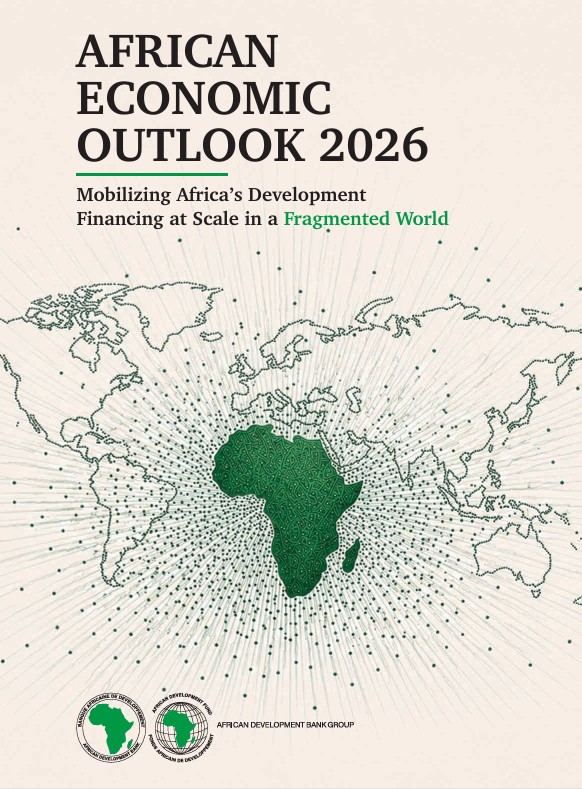
But the AfDB says maintaining that momentum will require Ethiopia to tackle major macroeconomic vulnerabilities, particularly external debt pressures, weak domestic revenue collection and inflation.
Completing external debt treatment and restructuring should be a priority, according to the bank, as resolving debt distress would reduce pressure from debt-service payments and help restore investor confidence.
The AfDB also calls for stronger domestic revenue mobilization, including the modernization and digitalization of tax administration. Ethiopia’s tax-to-GDP ratio stands at only 7.3 percent, leaving the government with limited fiscal space to finance infrastructure, public services and social protection.
On monetary policy, the bank recommends maintaining a disciplined stance and allowing greater reliance on market-based exchange-rate mechanisms to contain inflation and reduce the impact of supply-side shocks.
Beyond macroeconomic stabilization, the AfDB identifies agro-industrial transformation as a key engine of Ethiopia’s next phase of growth. With a large share of the workforce still employed in low-productivity agriculture, the bank recommends linking smallholder farmers and cooperatives more directly with industrial parks and processors in sectors such as wheat and dairy.
Such integration, it says, could increase domestic production, reduce import dependence and create more productive jobs.
The bank further urges Ethiopia to accelerate financial-sector reforms, including making greater use of the Ethiopian Securities Exchange, opening the banking sector to foreign institutions and improving access to finance for small and medium-sized enterprises.
Energy and regional trade are also central to the proposed transformation. The AfDB sees Ethiopia’s hydropower, wind and solar resources as an opportunity not only to meet rapidly growing domestic electricity demand but also to generate foreign exchange through electricity exports to neighboring countries.
The bank also points to logistics reforms, expansion of free trade zones and deeper implementation of the African Continental Free Trade Area as critical steps toward positioning Ethiopia as a more competitive regional economic hub.SECO