Political and lending-related pressure claims surface as regulator oversees complete overhaul of Anbesa Bank’s board
Alleged pressure from individuals and groups affiliated with the Tigray People’s Liberation Front (TPLF) has emerged as a key dimension of the prolonged dispute at Anbesa Bank, as the National Bank of Ethiopia (NBE) oversaw a complete overhaul of the lender’s board following the regulator’s rejection of an earlier election.
The allegations, raised by sources familiar with the dispute, centre on competing demands for lending and financing involving individuals and companies with existing debt exposure, as well as parties described by the sources as having political and business connections in Tigray.
The claims come as Anbesa Bank elected an entirely new 11-member board on Saturday, August 8, 2026, at the Adwa Victory Memorial Museum. The election, conducted under the supervision of senior NBE officials, effectively removed the board elected in November 2025 after the regulator concluded that internal disagreements had undermined its ability to function.
Sources told EBV that disputes over lending decisions were among the most contentious issues between the former board and senior management. According to the sources, one side sought financing for individuals and companies that were already heavily indebted, while some of the beneficiaries were allegedly linked to political and business elites in the Tigray region.
The sources further claimed that pressure had been exerted through social media campaigns targeting the bank’s former board chairperson and senior management. Several online articles and social media posts allegedly associated with TPLF-affiliated activists portrayed tensions between Anbesa’s leadership and political actors in the region.
These allegations could not be independently verified. Neither the NBE nor Anbesa Bank has publicly established that TPLF-affiliated actors directed the bank’s lending decisions or exerted unlawful influence over its management.
The political dimension has nevertheless added another layer to a dispute that initially centred on Anbesa’s capital increase and the entry of new shareholders.
A group led by Aklilu Gebreselassie, alongside Assefach Haileselassie and Andinet Haregewoin, had questioned how some new shareholders acquired substantial stakes in the bank, as per a report by Fortune newspaper. They alleged that certain investors had used loans obtained from Anbesa Bank itself to finance share purchases, a practice prohibited under banking regulations.
The opposing camp, led by former board chair Alem Asfaw and senior management, including President Daniel Tekeste, defended the capital raising as lawful and necessary for the bank to meet the NBE’s five-billion-birr minimum capital requirement.
The disagreement subsequently broadened into disputes over board authority, lending decisions and corporate governance.
Following shareholder complaints and an investigation, the NBE rejected the November 2025 board election, determining that disagreements among directors had reached a level that affected the board’s ability to operate and raised concerns over the bank’s stability and depositors’ interests.
The regulator then ordered a fresh election and barred members of the previous board from participating in the process.
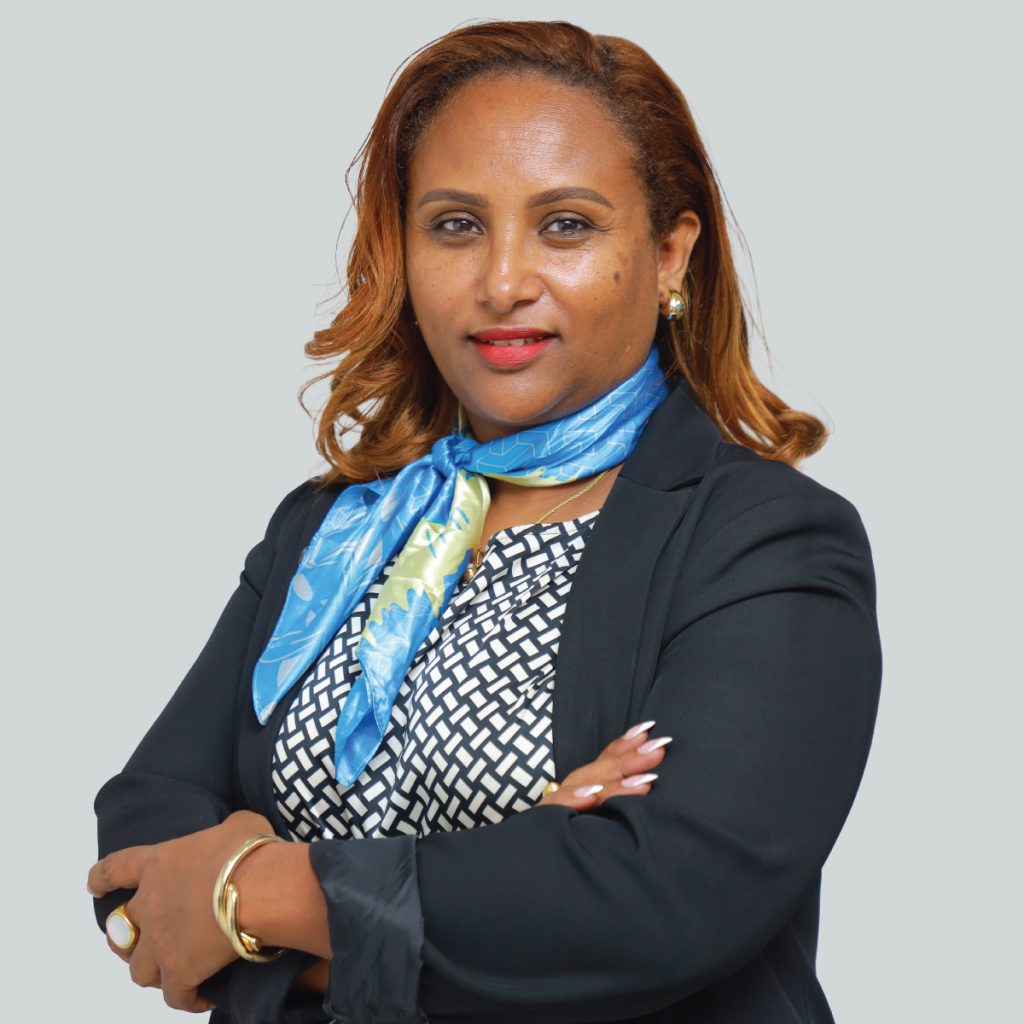
The August 8 election produced a completely new board, with eight shareholder representatives and three independent directors selected from 16 shareholder nominees and six independent candidates.
Mekonnen Gebrewahid received the highest number of votes among shareholder nominees, followed by Tsebele Hadush and Kehase Gebremichael.
Mekonnen, who has nearly three decades of experience in the insurance industry and previously served on Anbesa’s board about a decade ago, secured the top vote. Tsebele, chief executive assistant to the President and a professional with more than two decades of industry experience, came second.
The other shareholder representatives are Yigzaw Amare, Kahsay Haile, Tewodros Amare, Mekuria Alemayehu and Feven Binyam, the bank’s acting Chief Officer for Loan and Recovery, alongside Kehase.
Hailemariam Gidey, Kiros Habtu and Awot Birhane were elected as independent directors. Hiruy Lemichael, Anbesa’s Vice President for Information Technology, contested the election but did not secure a seat.
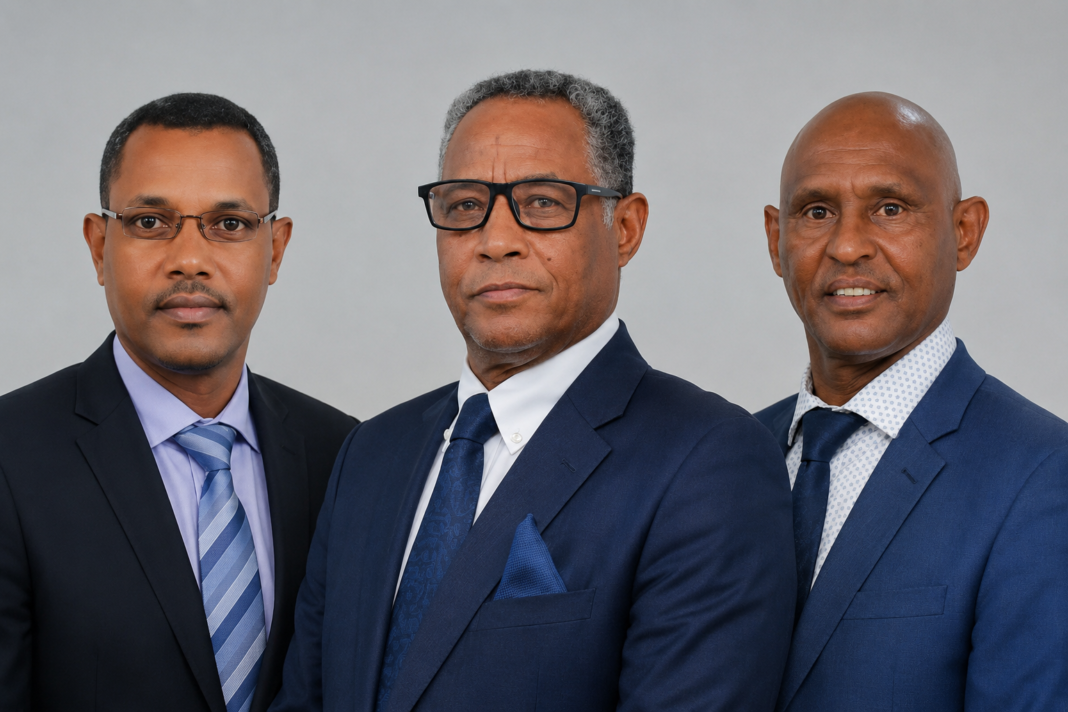
The election was supervised by Gemechis Dugasha, NBE Director of Regulation, Licensing and Approval; Frezer Ayalew, Director of Supervision; and Belay Tulu, Director of Insurance Supervision.
None of the former directors, including Alem Asfaw and Aklilu Gebreselassie, returned to the board.
Anbesa’s management welcomed the outcome. Daniel Tekeste, who has served as president since 2022, said the new directors bring strong professional experience and educational backgrounds.
“We hope, together, we can sustain the Bank’s growth and make visible its strategy,” Daniel said, describing the election as a “good opportunity for the Bank.”
The new board now faces the task of rebuilding governance and confidence after months of internal conflict. Its performance will also be closely watched as Ethiopia’s banking sector undergoes tighter regulatory scrutiny and prepares for a more competitive financial environment.
For the NBE, the intervention at Anbesa underscores the regulator’s increasing focus on board accountability, lending discipline and the separation of shareholder interests from bank management.SECO