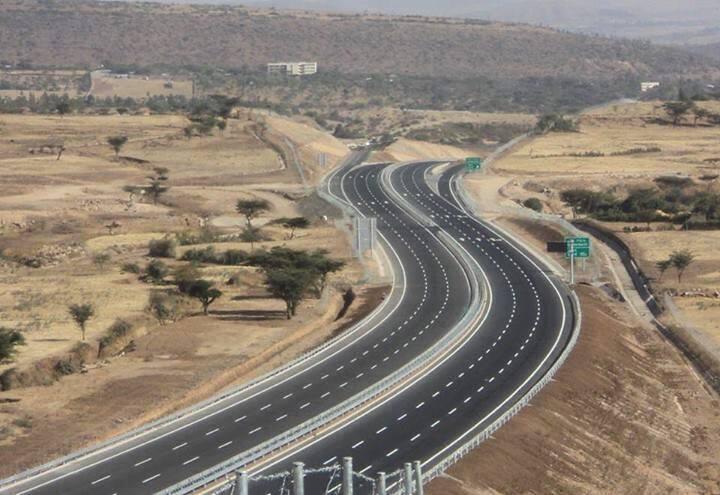
The Ethiopian Roads Administration (ERA) has invited international contractors to bid for the construction of the Melka Jilo–Awash Expressway, advancing a major transport project expected to strengthen Ethiopia’s trade links with Djibouti and improve connectivity along the wider South Sudan–Ethiopia–Djibouti corridor.
The planned 67-kilometre, four-lane divided expressway is the second section of the Adama–Awash Expressway, following the approximately 60-kilometre Adama–Melka Jilo section. Once completed, the two sections will provide a higher-standard road connection from Adama toward Awash, linking into one of Ethiopia’s most important freight routes.
In December 2025, Ethiopia and the African Development Bank (AfDB) signed a $184 million grant agreement to support Phase II of the corridor project.
The ERA has issued a prequalification invitation to international contractors for the design and construction of the Melka Jilo–Awash section, marking a step toward the physical implementation of the project.
The road will broadly run parallel to the existing Addis Ababa–Adama–Awash–Djibouti highway and the Ethio-Djibouti railway. It is expected to ease pressure on the existing road, which carries substantial volumes of freight moving between Ethiopia and the Port of Djibouti.
The project is also part of the broader South Sudan–Ethiopia–Djibouti Transport Corridor Project, which aims to improve regional connectivity and facilitate the movement of people and goods across the three countries.
In December 2025, Ethiopia and the African Development Bank (AfDB) signed a $184 million grant agreement to support Phase II of the corridor project. The financing is intended to support construction of the Melka Jilo–Awash expressway.
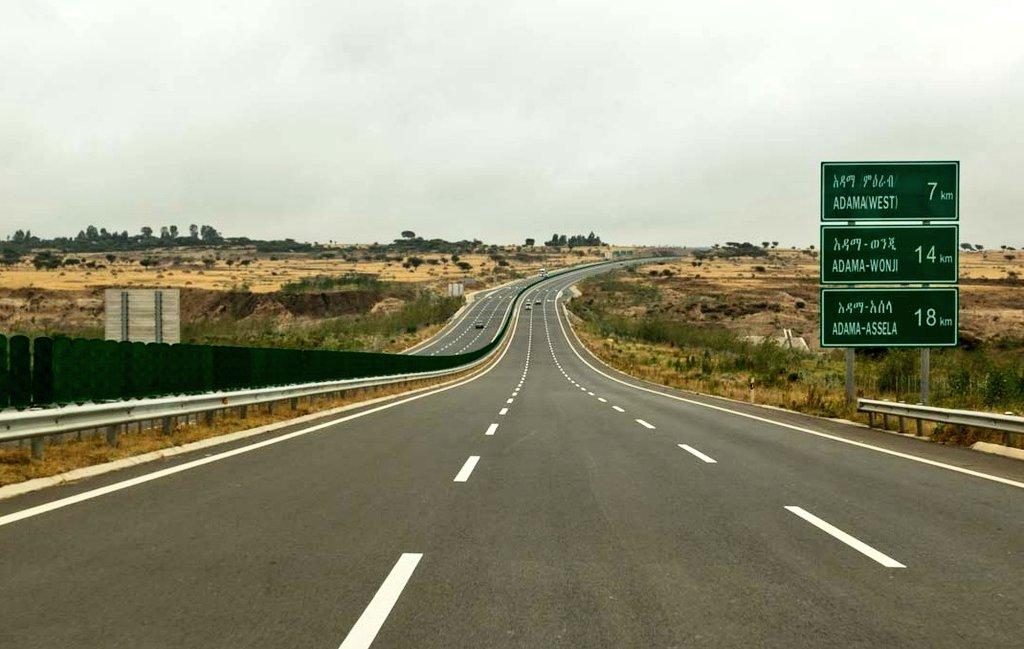
The expressway’s economic significance extends beyond Ethiopia’s domestic transport network. Djibouti remains Ethiopia’s principal maritime gateway, making the efficiency of the road corridor connecting Addis Ababa and other economic centres to Djibouti critical to the country’s import and export trade.
Thousands of trucks use the corridor to transport fuel, machinery, industrial inputs, agricultural products and other cargo between Ethiopia and the port facilities in Djibouti. Improving the road infrastructure could reduce congestion, shorten travel times and lower logistics costs for businesses.
The Melka Jilo–Awash section is therefore expected to serve as a critical missing link in the development of a modern expressway connection toward the Djibouti corridor.
Its proximity to the Ethio-Djibouti railway also creates an opportunity for greater integration between road and rail transport, potentially allowing freight operators to make more efficient use of different modes of transportation.
The project’s importance could also extend westward to South Sudan, where improved transport links with Ethiopia and Djibouti could provide an alternative route for regional trade and access to international markets.
A better-connected corridor could facilitate the movement of South Sudanese goods through Ethiopian transport infrastructure and onward to Djibouti’s ports, while improving Ethiopia’s access to markets in South Sudan.

For Ethiopia, the project comes as the government continues to invest in transport infrastructure aimed at supporting industrialisation, trade and regional economic integration.
For Djibouti, improved road connectivity could strengthen the flow of cargo to and from its ports and reinforce the country’s position as a major logistics gateway for the region.
For South Sudan, the corridor could provide additional access to transport infrastructure and international trade routes.
The Melka Jilo–Awash project is consequently more than a road construction scheme, according to experts. It forms part of a broader effort to establish a more integrated transport network linking Ethiopia’s production and consumption centres with Djibouti’s ports and, ultimately, markets in the wider Horn of Africa.
They said the construction tender represents an important implementation step. If delivered as planned, the expressway could help improve freight efficiency, reduce pressure on the existing Addis Ababa–Djibouti highway and strengthen the economic links connecting Ethiopia, Djibouti and South Sudan.