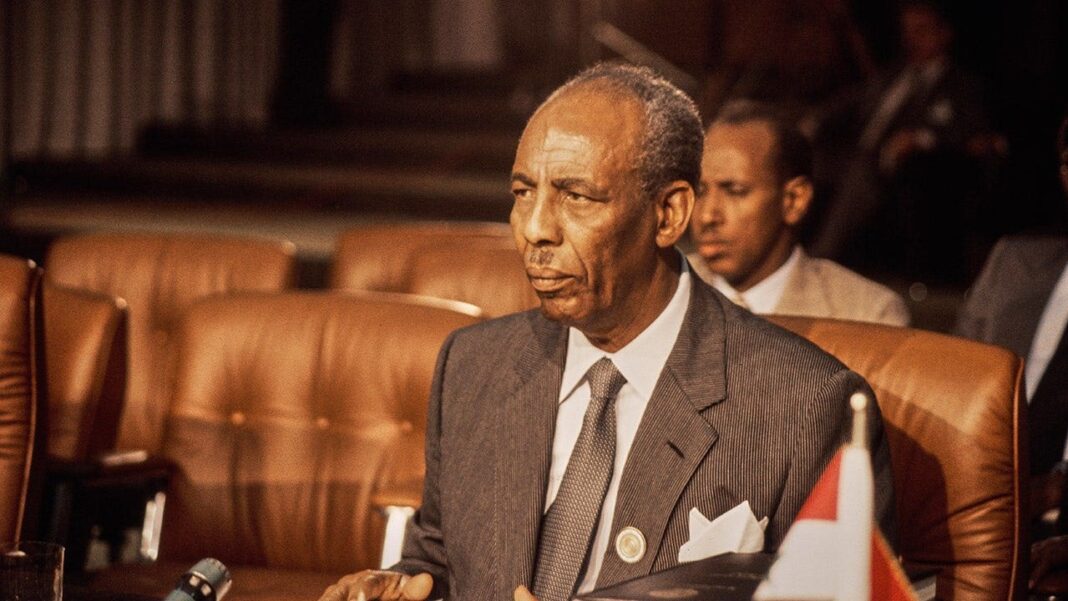
The presence of a son of former Somali dictator Mohamed Siad Barre in Ohio has reignited demands from survivors and families of victims for U.S. authorities to investigate members of the former regime and their alleged involvement in atrocities committed during Barre’s rule.
According to recent reporting by the New York Post, Ayanle Siad Barre, 61, has been living in Columbus, Ohio, for years. The report describes him as a close figure to his father and cites an Oxford University researcher who characterized him as the dictator’s “right-hand man.” Ayanle and his sister have also been linked to businesses in the United States, including a home healthcare company that received substantial Medicare payments.
The renewed controversy is particularly sensitive among members of the Somali diaspora who survived the Barre government’s military campaigns against the Isaaq population in northern Somalia during the late 1980s. Human-rights investigations have documented widespread killings, destruction and other abuses by government forces during the conflict.
Survivors and relatives of victims are now urging U.S. authorities to examine whether members of the former ruling family played a role in abuses committed under the dictatorship and whether any individuals living in the United States could face legal scrutiny. The United States has previously taken action against former Somali military officials accused of serious human-rights abuses, including the deportation of former Somali National Army officer Yusuf Abdi Ali in 2024.
The controversy has also revived debate surrounding the background of U.S. Rep. Ilhan Omar’s late father, Nur Omar Mohamed, who was a colonel in the Somali National Army during the Barre era. While his military service is documented, available reporting has not established that he personally participated in war crimes or atrocities. Claims connecting him directly to the Isaaq atrocities remain allegations rather than established findings.
Experts said that the renewed scrutiny is therefore broadening an old question within the Somali diaspora: whether the United States should investigate individuals from the former Barre regime who later settled in America, regardless of their current status or prominence.