-EAPP Executive Meeting in Addis Ababa Assesses El Niño Risks, Regional Power Trade and Cross-Border Grid Integration
Addis Ababa, September 16, 2026 — Ethiopian Electric Power (EEP) is preparing for the possibility of importing electricity from neighboring countries as El Niño-related rainfall delays threaten water levels at the country’s major hydropower reservoirs.
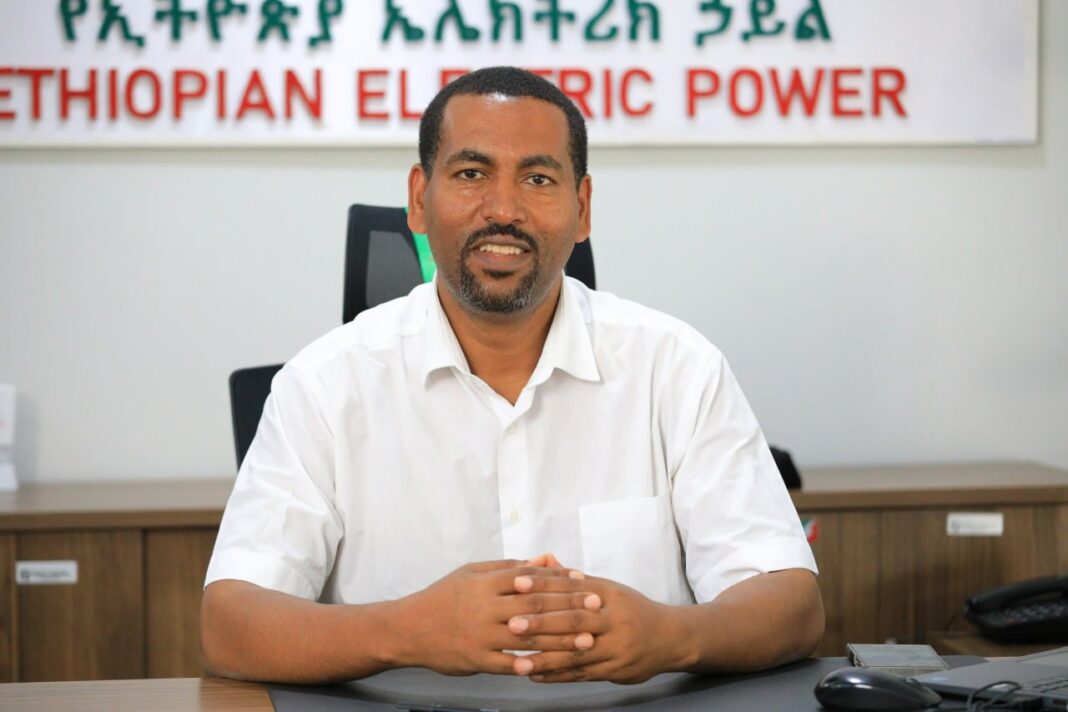
EEP Public Relations Head Moges Mekonnen told EtBusinessView that the power producer has developed contingency plans, including potential regional power imports, should deteriorating rainfall conditions reduce domestic hydropower generation.
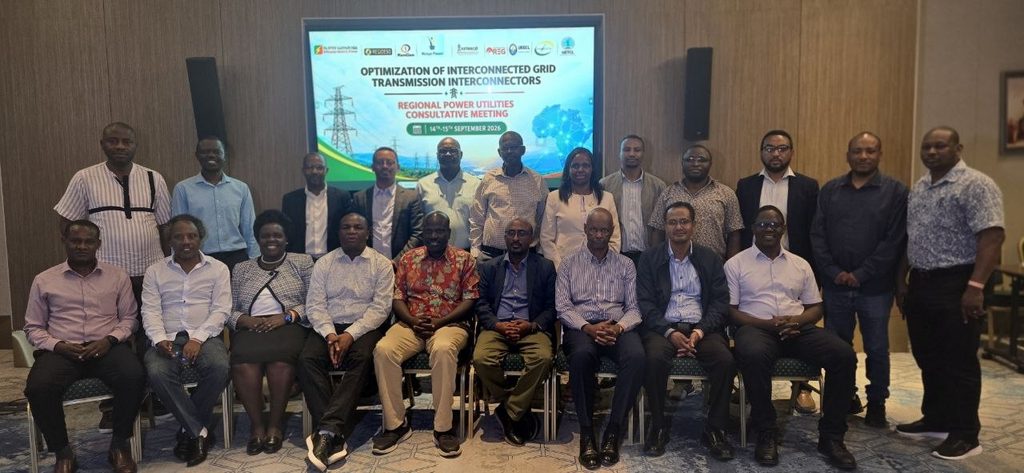
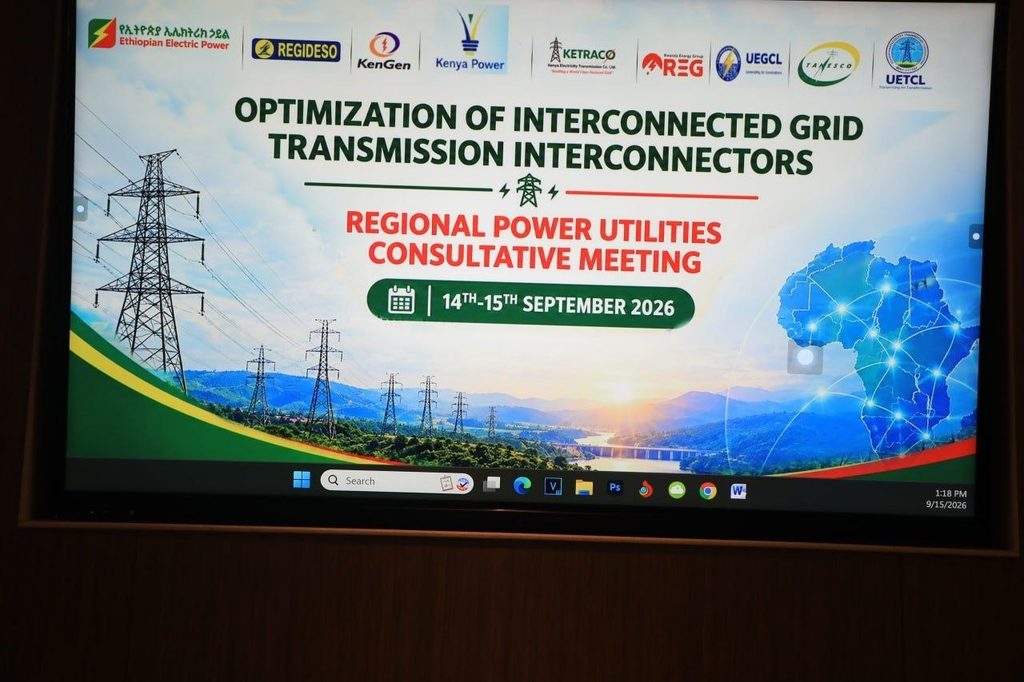
The warning comes as regional energy officials meet in Addis Ababa under the Eastern Africa Power Pool (EAPP) to assess changing power-supply conditions, climate risks and cross-border electricity trading.
The EAPP is designed to facilitate electricity exchanges and coordinated power-system operations among Eastern African countries.
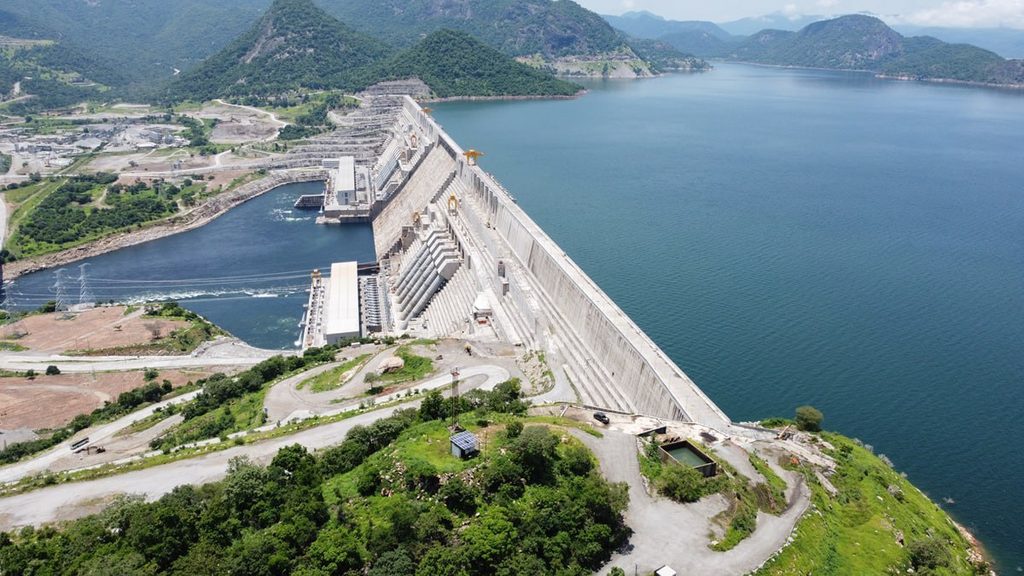
Hydropower faces up to 20% generation risk
According to EEP’s current assessment, reduced rainfall during Ethiopia’s main rainy season could cut hydropower generation capacity by up to 20 percent.
EEP has consequently lowered its electricity generation target for the current budget year to 32.1 TWh, compared with 35.6 TWh generated in the previous budget year.
The potential shortfall is particularly significant for Ethiopia because approximately 95 percent of its electricity generation comes from hydropower, leaving the national grid highly dependent on reservoir inflows.
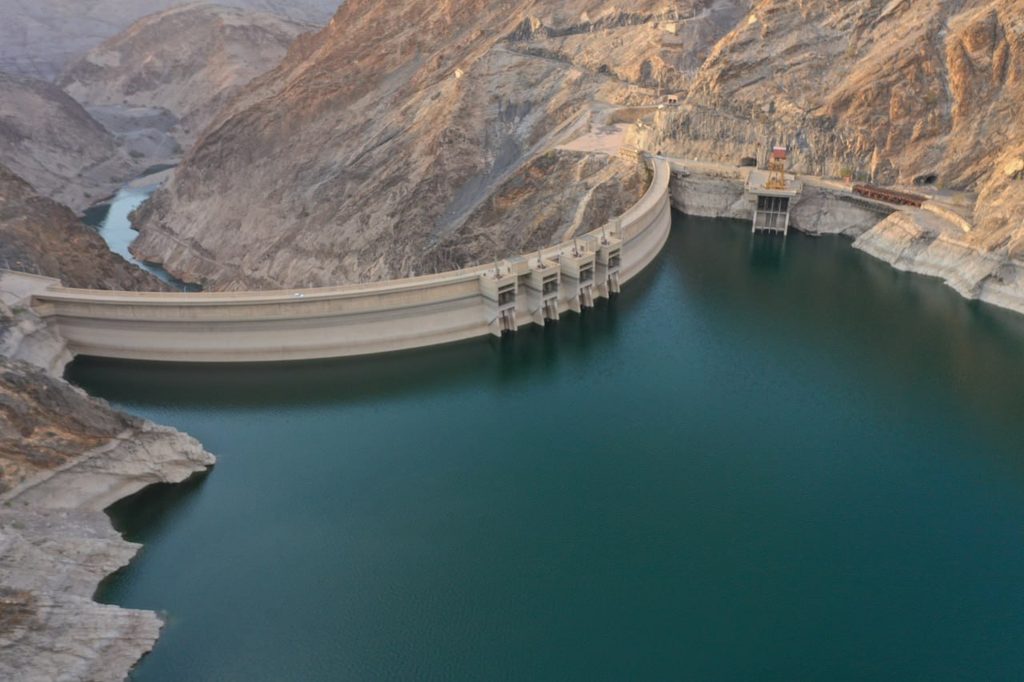
EEP has also reduced electricity allocated to data-mining companies to 25 percent of their total demand, with future allocations expected to depend partly on rainfall conditions.
At the same time, the utility has returned previously idle generating units at the Fincha and Tekeze hydropower plants to service in an effort to maximize available generation.
Six scenarios prepared
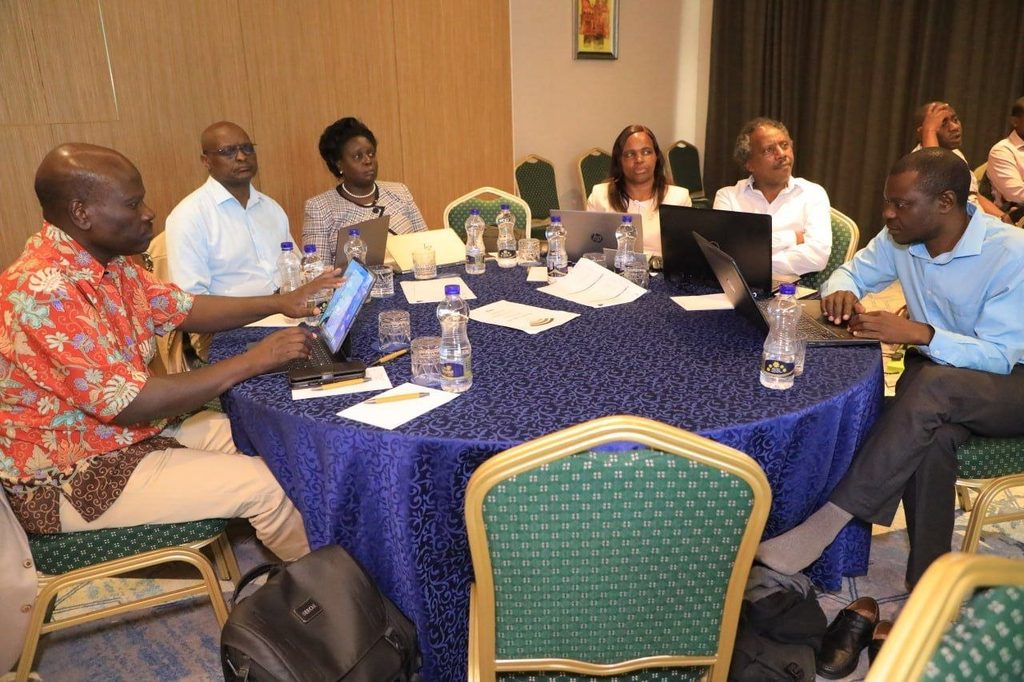
Moges said EEP has prepared six operational scenarios ranging from normal reservoir conditions to a worst-case situation in which dams receive only half of their normal water inflows.
If the situation deteriorates beyond current forecasts, Ethiopia could turn to the regional electricity market for additional supply.
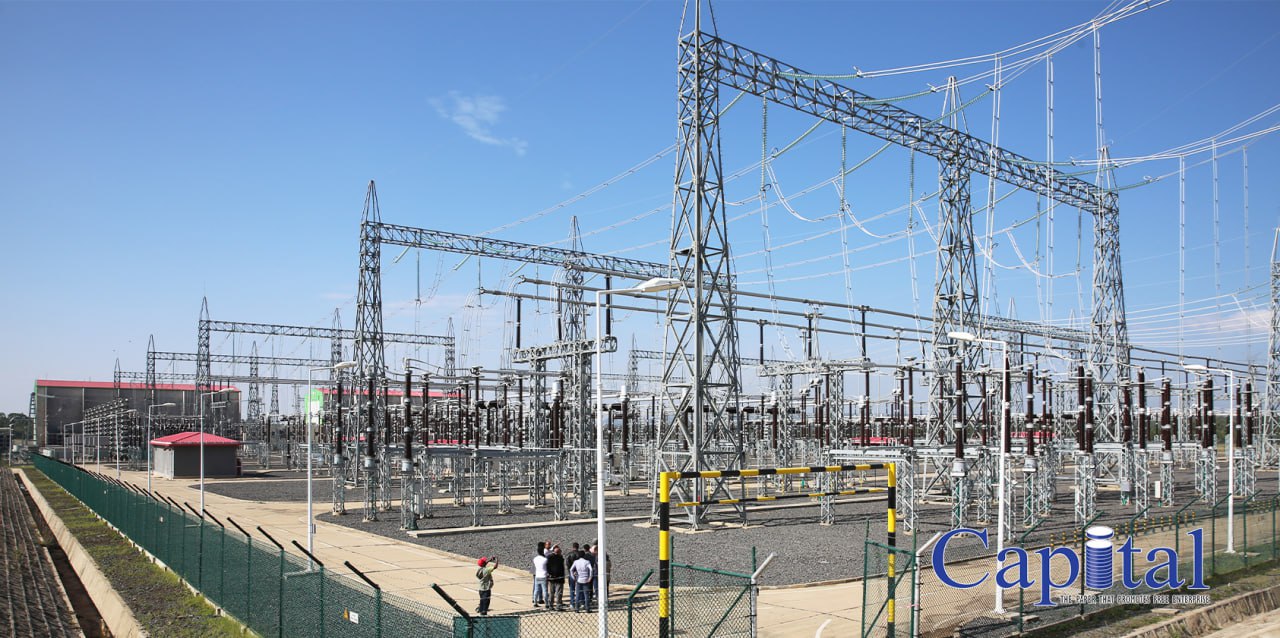
The existing Ethiopia-Kenya transmission interconnection provides a potential route for electricity imports, while EAPP’s regional power-trading framework allows countries with surplus electricity to supply countries facing shortages.
Moges said importing surplus, clean electricity from regional partners would be economically preferable to relying on expensive non-renewable generation during a temporary hydropower shortage.
The development comes as Ethiopia continues to strengthen its regional electricity links. EEP currently supplies electricity to neighboring countries including Kenya, Djibouti, Sudan and Tanzania, according to recent EEP statements.
Ethiopia’s power system
EEP’s current system includes about 9,730 MW of installed generation capacity across 21 power stations, with hydropower accounting for the overwhelming majority of generation and wind providing the remainder.
About 93.5 percent of generated electricity is allocated to domestic consumption, while approximately 6.5 percent is exported.
The prospect of importing electricity would mark a notable reversal for Ethiopia, which has increasingly positioned itself as a regional renewable-energy supplier. EEP says the Ethiopia-Kenya high-voltage interconnection can transmit up to 2,000 MW, providing an important platform for regional electricity trade.
For now, EEP’s import plan remains a contingency measure—not a confirmation that Ethiopia has begun importing electricity. The decision will depend on rainfall, reservoir levels and actual power-generation conditions in the coming weeks.SECO