The International Monetary Fund has highlighted continuing debt vulnerabilities among low-income and developing countries as Senegal moves toward external debt treatment under the G20 Common Framework.
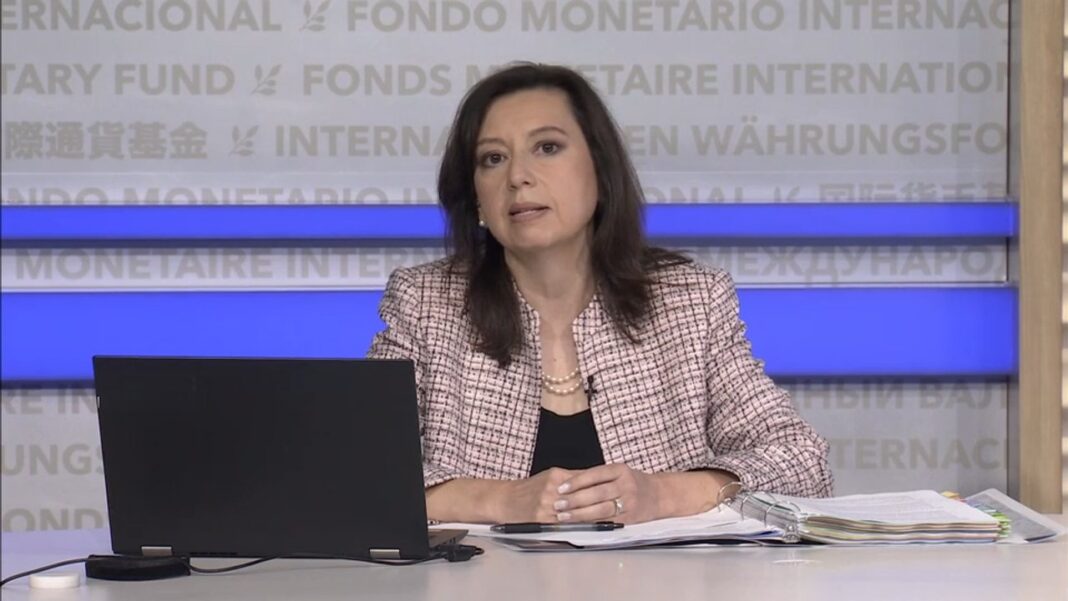
In its latest press briefing, the IMF said Senegal intends to pursue external debt treatment to address elevated debt vulnerabilities and has begun discussions with bilateral creditors. An official creditor committee is expected to be formed, while the IMF will provide its “good offices” to facilitate information sharing and engagement between Senegal and its creditors.
The Fund clarified that the G20 Common Framework remains a single framework, although recent experience and work under the Global Sovereign Debt Roundtable have helped improve coordination and the timeliness of restructuring processes. The IMF also stressed that the terms of any restructuring, including comparability of treatment, remain matters for negotiations between debtor countries and their creditors. (IMF)
The broader issue is relevant to Ethiopia, which is among countries that have sought debt treatment under the G20 Common Framework. The IMF’s latest discussion underscores the continuing challenges facing developing economies as they seek to restore debt sustainability while maintaining financing for growth and development.
The IMF has also emphasized that low-income and fragile countries with limited fiscal buffers remain particularly exposed to the ongoing energy shock, adding pressure to already constrained public finances.
For Ethiopia, the developments come as the country continues its debt-restructuring process while implementing its IMF-supported economic reform program.SECO