Djibouti’s port facilities are gaining visibility in the regional shipping industry as tensions surrounding the Strait of Hormuz and disruptions to maritime routes reshape vessel movements and transshipment operations.
Port officials and industry sources in Djibouti told EtBusinessView that vessel calls and transshipment activity have increased since tensions involving Iran, Israel and the United States escalated in February, bringing renewed attention to the small East African nation’s strategic position along major international shipping routes.
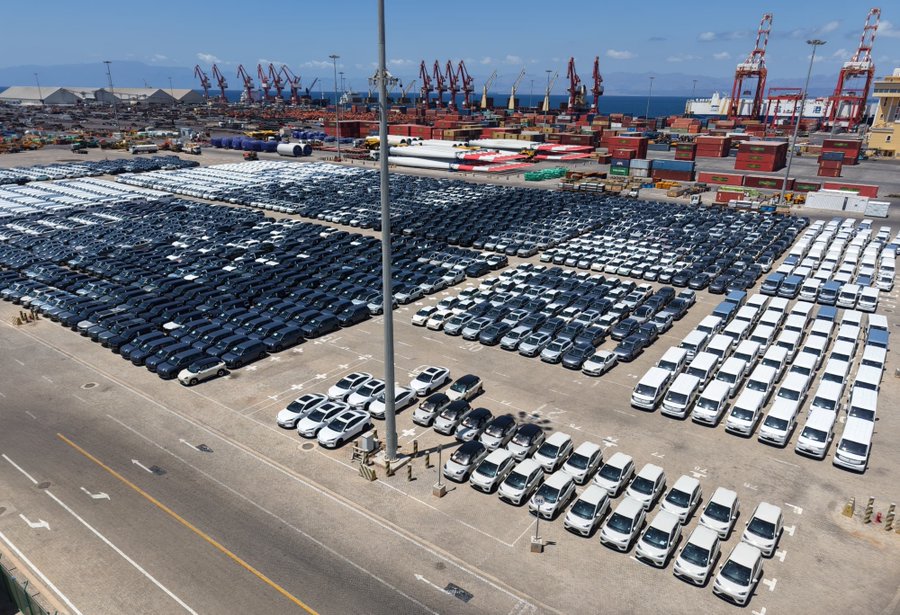
The developments are drawing attention to both the Doraleh Container Terminal, operated by Société de Gestion du Terminal à Conteneurs de Doraleh (SGTD), and the Doraleh Multipurpose Port (DMP), which handles a range of cargo, including vehicles.
While Djibouti has long served as the principal maritime gateway for landlocked Ethiopia, its ports are increasingly seeking to strengthen their roles as regional transshipment hubs, connecting international shipping routes with markets across East Africa and beyond.
The shift comes as shipping operators reassess routes and port calls amid heightened geopolitical risks affecting maritime traffic around the Middle East and the Red Sea.
Vehicle shipments highlight growing activity at DMP
The Doraleh Multipurpose Port has recently handled several large vehicle shipments, including cargo destined for local markets and vehicles being transshipped to other destinations.
On October 9, the port announced that it had successfully handled and discharged 2,700 electric vehicles from the Dafenggang Heshunhao, combining import and transshipment operations.
“We remain committed to providing efficient port services and strengthening regional trade connectivity,” the port administration said following the operation.
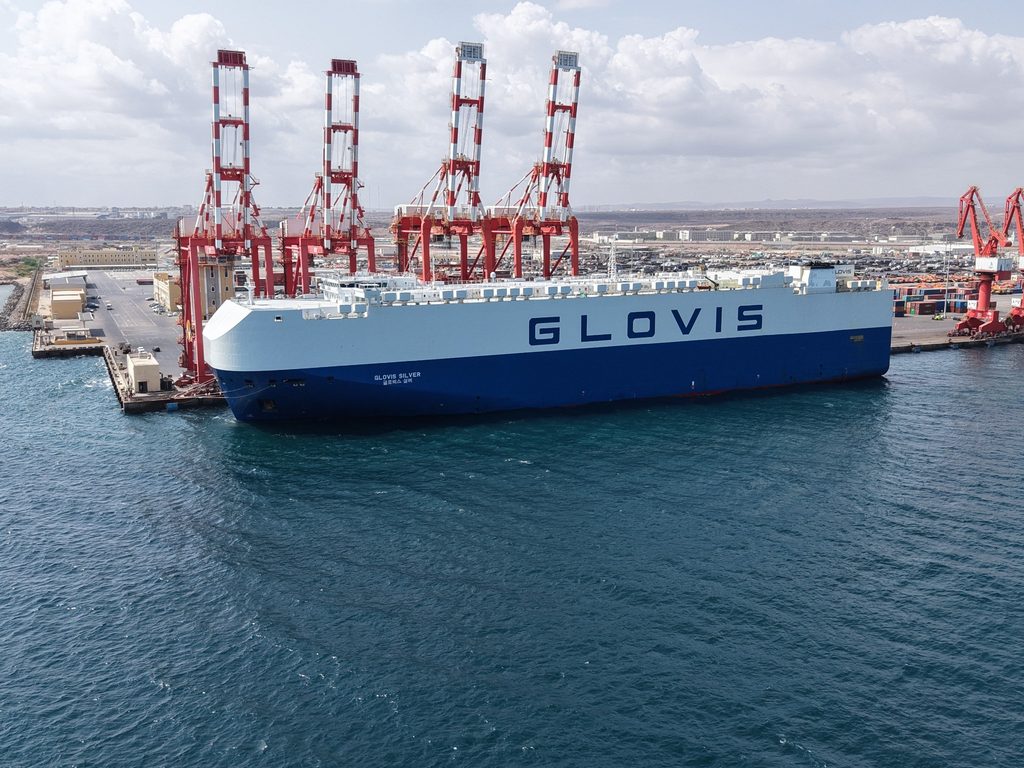
Earlier, on October 5, DMP reported the discharge of 1,900 electric vehicles from the Glovis roll-on/roll-off (RoRo) vessel.
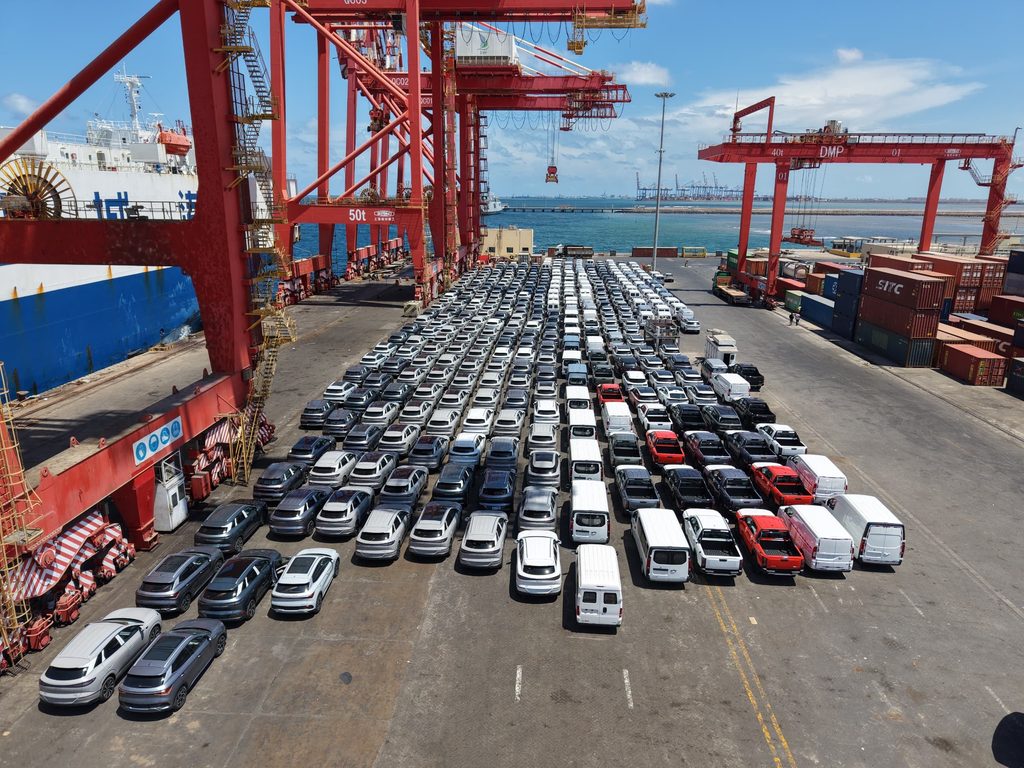
“This operation highlights DMP’s growing capacity, efficient handling of specialized cargo and commitment to supporting sustainable mobility across the region,” the port administration said.
The two operations underscore the port’s role in handling specialized cargo and its capacity to accommodate large vehicle-carrying vessels. However, the reported figures alone do not establish how much of the activity resulted directly from the Hormuz tensions.
Industry experts say some vessels and cargo flows traditionally routed through major Gulf transshipment hubs, including Jebel Ali in the United Arab Emirates, may increasingly consider Djibouti as an alternative when disruptions or security concerns affect established shipping routes.
An EtBusinessView reporter also observed changes in port activity during a visit to Djibouti in April, as regional maritime security concerns continued to influence shipping operations.
SGTD’s expansion strengthens transshipment capacity
Djibouti’s ability to attract additional container traffic has also been supported by significant investment in the capacity and operational efficiency of the Doraleh Container Terminal.
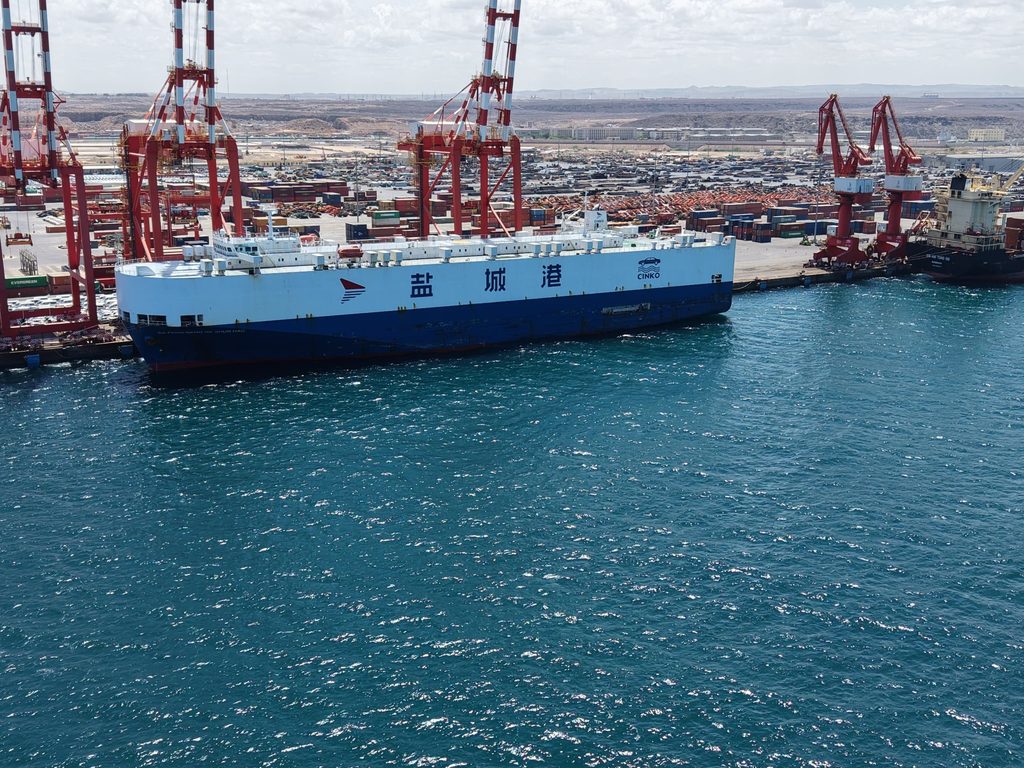
Over the past few years, SGTD has expanded its infrastructure and equipment, including the installation of four high-capacity ship-to-shore gantry cranes and an extension of its container yard. The investments have enabled the terminal to accommodate some of the world’s largest container vessels and improve cargo-handling efficiency.
In March 2024, SGTD handled a record 110,000 twenty-foot equivalent units (TEUs) in a single month. The terminal subsequently reported annual throughput of 1.2 million TEUs in 2024, its highest volume since operations began.
The expansion has strengthened the terminal’s ability to handle both gateway cargo destined for Djibouti and Ethiopia and transshipment containers transferred between vessels for onward shipment to other markets.
According to SGTD, its operational capacity stood at 1.5 million TEUs in March 2024, with a longer-term expansion plan targeting 3.5 million TEUs by 2030. The plan includes additional yard space, quay extensions and further equipment investment.
These improvements are particularly significant as shipping lines adjust their networks in response to regional security risks and seek alternative locations for transferring containers between large international vessels and regional feeder services.
Djibouti’s position near the southern entrance to the Red Sea, along with its established connections to Ethiopia and other East African markets, gives its port facilities a strategic advantage in serving regional trade.
The Djibouti Ports and Free Zones Authority identifies SGTD as both a major gateway for Ethiopia and a regional transshipment hub connecting shipping routes between Asia, Europe, the Middle East and Africa.
Experts added that although the latest geopolitical tensions could provide further opportunities for Djibouti’s ports, the sustainability of any increase in transshipment business will depend on shipping-line decisions, regional security conditions and the competitiveness of the country’s port services.SECO