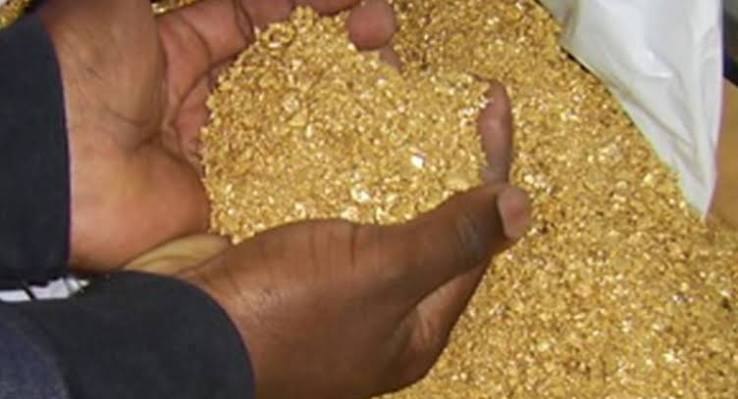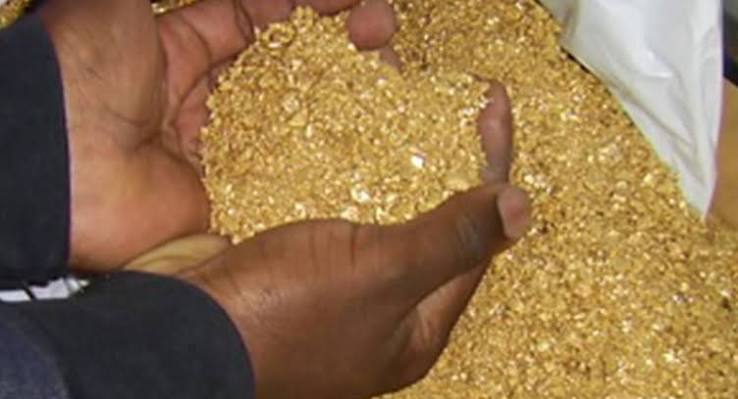
NBE spent 375 billion birr on gold purchases in six months.
IMF expects NBE’s gold market exit strategy by December 2026.
The National Bank of Ethiopia (NBE) is expected to phase out the premium it pays artisanal gold miners above international market prices in the coming weeks, ending a subsidy introduced about a decade ago to discourage gold smuggling and channel supplies through formal markets.
The move is planned to take effect at the beginning of the Ethiopian New Year, according to information on the planned reform, as the central bank seeks to reduce distortions in the gold market, strengthen foreign exchange management and limit risks to its balance sheet.
The International Monetary Fund (IMF) said the NBE would adopt a plan to phase out the premium by the end of September 2026, alongside a recapitalisation plan for the central bank. The reform is part of broader efforts to overhaul gold market operations following a sharp increase in official gold deliveries.
The premium, estimated at between 5% and 15% above international prices, was initially introduced to discourage contraband trading by making it more attractive for artisanal miners to sell gold to the central bank through formal channels.
However, the incentive has become increasingly costly as official gold purchases have surged. During the first half of the 2025/26 fiscal year, the NBE paid about 375 billion birr to purchase gold from artisanal miners, underscoring the growing financial implications of its role as the country’s sole buyer of gold produced by traditional miners.
The IMF has also warned that the premium could have wider macroeconomic implications. Since gold export earnings have become a marginal source of foreign exchange, the additional payments offered by the NBE may influence the parallel-market exchange rate. Phasing out the premium is therefore expected to help reduce distortions in the foreign exchange market while easing pressure on the central bank’s balance sheet.
Gold has emerged as Ethiopia’s leading export commodity following the introduction of market-based foreign exchange reforms in July 2024. The country reportedly generated approximately USD 5.5 billion from gold exports during the 2025/26 fiscal year, accounting for around half of its total merchandise export earnings of USD 11 billion.
The increase in official gold supplies has strengthened the case for withdrawing the incentive that was introduced when smuggling posed a greater challenge to formal gold trading. The authorities are seeking to ensure that more of the foreign exchange generated by gold exports reaches the formal financial system and supports the country’s external financing needs.
The planned change also comes as Ethiopia considers a broader restructuring of its gold market, including the gradual withdrawal of the NBE from direct gold trading.
Under the proposed longer-term arrangement, commercial banks would assume a greater role in purchasing and trading gold, while the central bank would concentrate on regulation, oversight and reserve management. The IMF said a comprehensive strategy outlining the framework and timeline for the NBE’s exit from direct participation in the gold market is expected by the end of December 2026.
The transition will require the authorities to balance the objectives of increasing foreign exchange earnings, limiting market distortions and maintaining incentives for artisanal miners to sell their output through legal channels.
Experts said that the removal of the premium is also expected to form part of wider efforts to strengthen the formal foreign exchange market and contain inflationary pressures. However, its impact will depend partly on whether official gold-buying arrangements remain sufficiently attractive to miners after the additional payments are discontinued.SECO