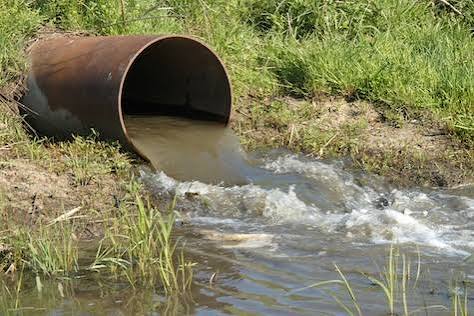
Ethiopia is proposing tougher punishment for environmental polluters, including up to 10 years in prison and administrative fines of up to 800,000 birr, under a draft pollution control proclamation intended to replace the country’s 2002 law.
The draft proclamation, tabled for discussion on October 20 with stakeholders, introduces stricter penalties for serious water and soil pollution, industrial emissions and other activities that threaten human health and the environment.
Under the proposed provisions, aggravated water and soil pollution offences could carry five to 10 years of rigorous imprisonment. Serious air pollution offences could result in prison terms of up to eight years, while certain serious noise pollution violations could carry up to five years.
The proposed administrative penalties also target businesses and industrial operators. A legal entity that illegally discharges chemicals or hazardous waste into water bodies could face a fine of up to 800,000 birr. Failure to comply with a corrective order could attract a further administrative penalty of 20,000 birr per day until compliance, according to the draft provisions.
Beyond fines and imprisonment, polluters could be required to clean up contaminated sites, restore environmental damage and compensate people affected by pollution.
The proposed legislation would replace the Environmental Pollution Control Proclamation No. 300/2002, introducing an updated legal framework for preventing and controlling pollution.
The draft has not yet become law. The proposed penalties and other provisions remain subject to the legislative approval process.
Even though the 24 years old proclamation established the existing legal framework for preventing and controlling environmental pollution, the proposed replacement seeks to strengthen controls over air, water, soil and noise pollution, including through stronger inspection and enforcement powers. Experts who reviewed the draft document stated that these may include compliance orders, suspension of permits and closure of facilities, depending on the applicable provisions of the draft.
The proposed law is intended to cover individuals, businesses, industries and other entities whose activities directly or indirectly generate or release pollutants. Its approach is based on preventing pollution, taking precautionary measures, holding polluters responsible for environmental damage and encouraging public participation in environmental protection.
It has been stated that the proposed framework is particularly relevant as Ethiopia expands its industrial, urban and infrastructure activities, increasing the importance of effective waste management, pollution monitoring and enforcement of environmental standards.SECO