By EBV staff writer
The Ethiopian delegation has engaged with the country’s largest bilateral lender as part of efforts to accelerate the prolonged debt restructuring negotiations. In addition, additional financing from China is anticipated for a new mega airport project.
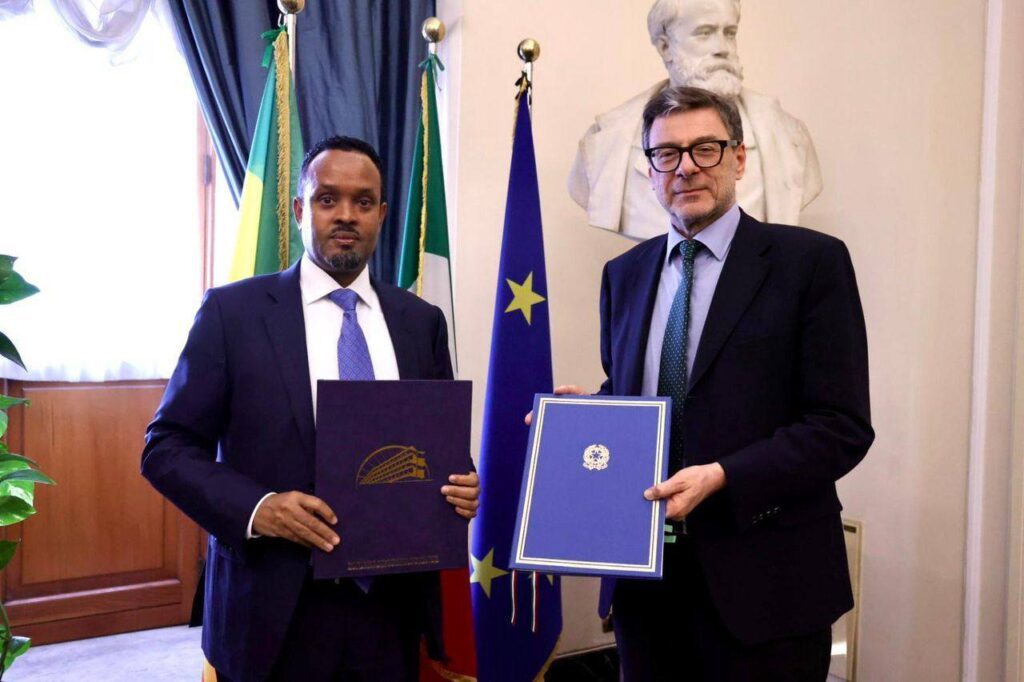
As efforts continue to finalize a debt restructuring memorandum of understanding, Minister of Finance Ahmed Shide has been continuing his visits to key international partners. Two weeks ago in Rome, Shide signed a bilateral debt restructuring agreement with Giancarlo Giorgetti, Italy’s Minister of Economy and Finance, as part of the Official Creditor Committee (OCC) process under the G20 Common Framework.
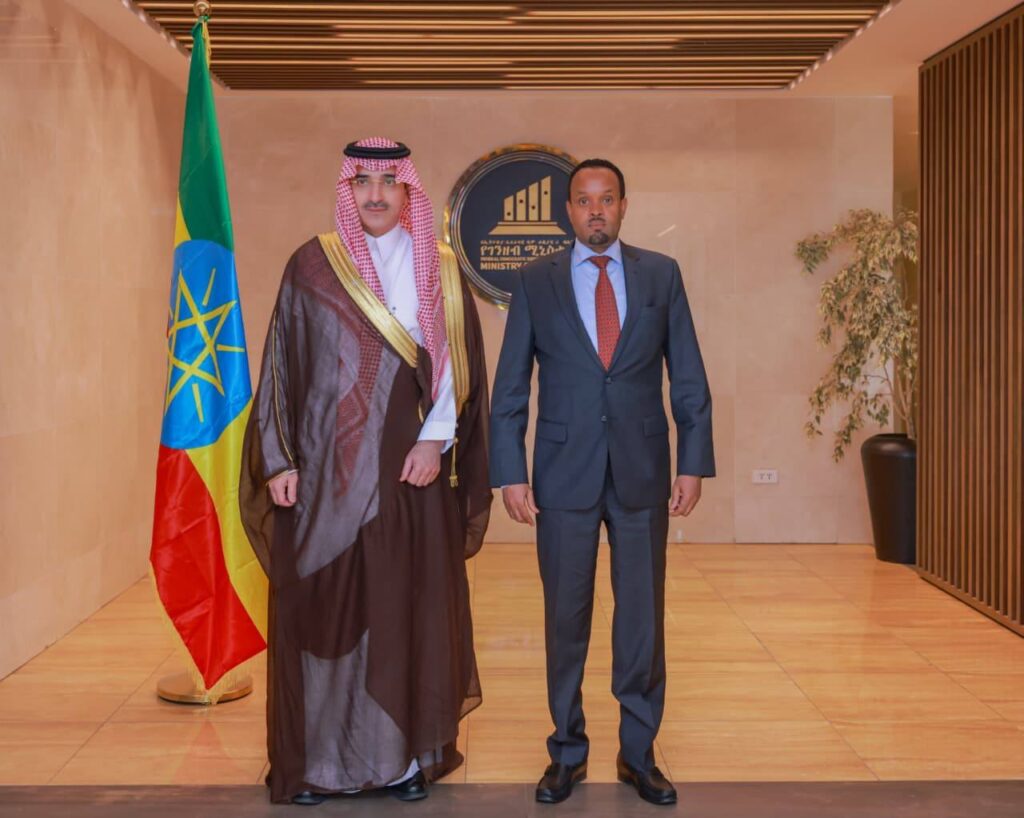
On March 25, he met with Sultan bin Abdulrahman Al-Marshad, CEO of the Saudi Fund for Development, in Addis Ababa to discuss the next steps toward a bilateral debt restructuring agreement under the Common Framework. The two sides also explored possible areas of financing for the $12.5 billion Bishoftu International Airport project.
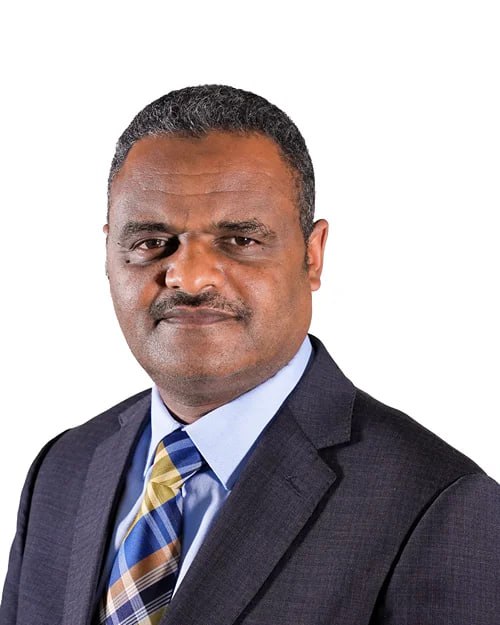
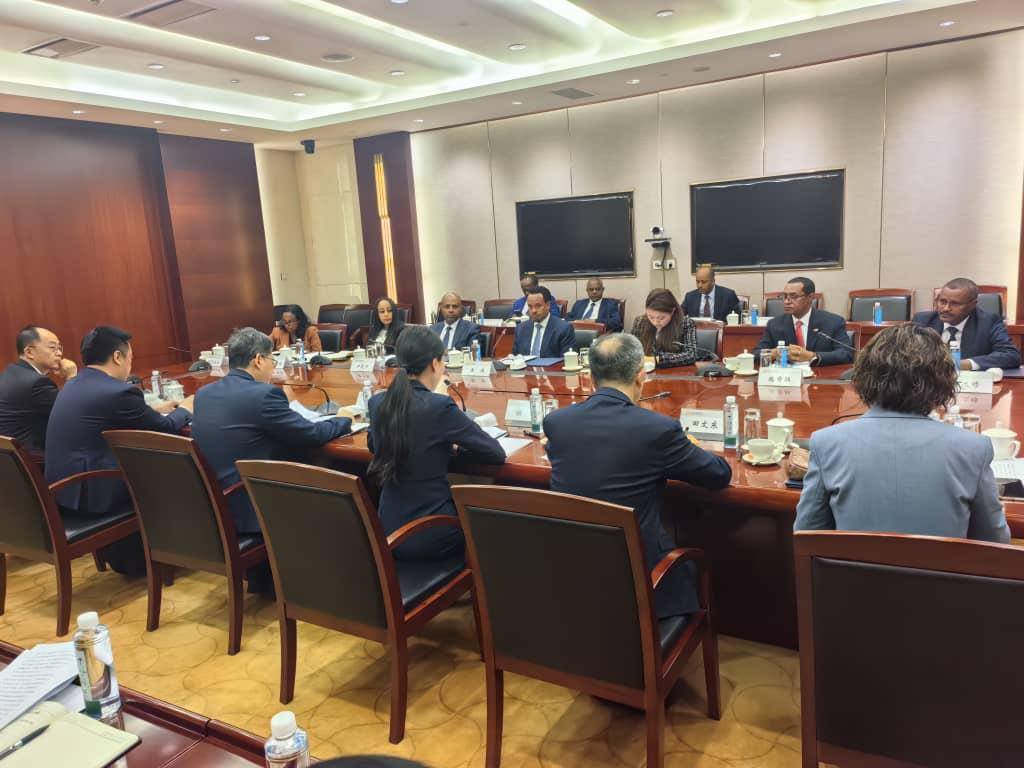
On Monday, March 30, the Ministry of Finance announced that a delegation led by Ahmed and including Eyob Tekalign (PhD), Governor of the National Bank of Ethiopia, along with senior officials from the Ministry of Finance and Ethiopian Airlines Group, had begun a high-level strategic mission to China.
According to the ministry, the visit is focused on finalizing ongoing debt restructuring negotiations and advancing financing arrangements for the Bishoftu International Airport project.
China is Ethiopia’s largest official lender, accounting for about one-third of the country’s outstanding $34 billion external debt. China also serves as co-chair of the OCC alongside France, which was the first to sign a final memorandum of understanding in February.
The Ministry of Finance stated that during the mission, the delegation held a series of productive meetings with key Chinese financial institutions, including the Export-Import Bank of China, as well as major commercial lenders such as the Industrial and Commercial Bank of China and the China Development Bank. Discussions focused on concluding the debt treatment process and mobilizing new financing to support Ethiopia’s priority infrastructure investments.
According to the Ministry of Finance, Minister reported significant progress in the debt restructuring negotiations, noting that the parties have entered the final stage of concluding the process.
He encouraged the financial institutions to expedite their appraisal and approval processes for the financing of Bishoftu International Airport. The Bishoftu project is designed to utilize various financing models.
For instance, the 38-kilometer high-speed railway and road project that will connect Bole International Airport to the new facility in Bishoftu—located 42 kilometers southeast of Addis Ababa—is expected to be built with Chinese funding.
The Ethio-Djibouti Railway, which operates the cross-border rail link between Ethiopia and Djibouti, has expressed interest in undertaking the transportation component of the planned airport with a Chinese contractor.
For instance, the 38-kilometer high-speed railway and road project that will connect Bole International Airport to the new facility in Bishoftu—located 42 kilometers southeast of Addis Ababa—is expected to be built with Chinese funding.
Meanwhile, Ethiopian Airlines Group is working to structure that same segment under a project-finance model, separating it from the airport’s core construction in order to unlock funding for one of the country’s largest infrastructure projects.
The airline is prepared to accommodate multiple financing options for the mobility system, which is intended to serve both passengers and employees—many of whom commute from Addis Ababa.
Under the Common Framework process led by the OCC, Ethiopia is expected to receive approximately $3.5 billion in debt relief.
The OCC members from the Paris Club include Austria, Denmark, France, Israel, Italy, Japan, South Korea, Sweden, South Africa, and Switzerland. Non-Paris Club members of the committee are China—the largest official creditor—along with India, Kuwait, Saudi Arabia, and Turkey.©SECO