By EBV staff writer
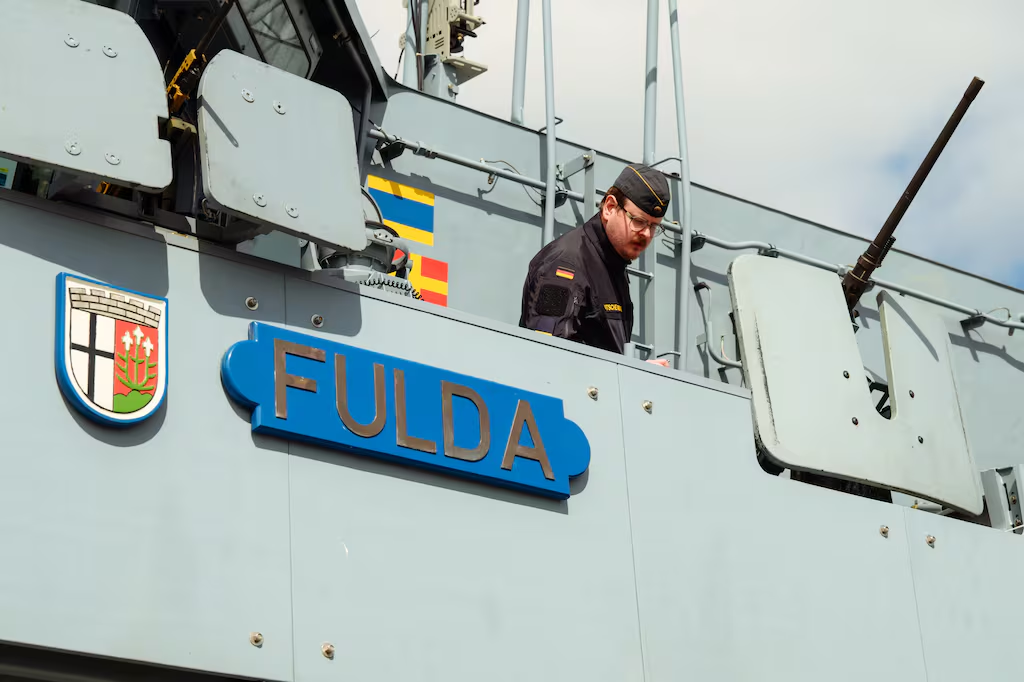
Iran’s stern warning to European navies faces its first major test as German minesweepers transit the Red Sea toward Djibouti, positioning for a potential summer operation in the Strait of Hormuz.
Defense Minister Boris Pistorius confirmed Thursday that the *Fulda* and *Mosel* have passed through the Suez Canal with 140 personnel aboard, including specialized divers and autonomous systems. While currently supporting the EU’s Aspides mission against Houthi threats, their ultimate objective remains contingent on parliamentary approval expected before July 10.
The deployment follows Tehran’s explicit threat in May that European warships would face a “decisive and immediate response.” Iranian officials insist the strait falls under their sovereign jurisdiction, rejecting any external military presence.
Yet Germany insists the mission depends on Iran’s consent and a “permissive environment,” alongside a durable ceasefire. Pistorius welcomed recent U.S.-Iran negotiations, though the operation’s fate hangs on their outcome over the next 60 days.
The UK and France are leading a 25-nation coalition for mine-clearing operations, with joint European leaders reaffirming their commitment Monday to a “strictly defensive” mission. However, the path from Djibouti to Hormuz remains diplomatically treacherous, with Berlin walking a careful line between protecting commercial shipping and avoiding direct confrontation with Tehran.
The summer parliamentary timeline sets the stage for a potentially tense standoff in one of the world’s most strategic waterways. By Linus Höller, Defensenews