Major policy shift opens energy sector to private investors as government tackles chronic electricity access gaps
Ethiopia is embarking on one of Africa’s most ambitious electrification drives, with a new strategy that could see $18 billion in investment flow into the country’s power sector over the next decade. The plan, unveiled this week, marks a significant departure from business-as-usual for the state-dominated industry, opening the door to private companies for the first time on a large scale.
The announcement comes as Ethiopia grapples with a stark reality: despite having some of the continent’s richest renewable energy potential, millions of its citizens still live without reliable electricity. The new phase of the National Electrification Programme aims to change that by 2035, but officials acknowledge they cannot do it alone.
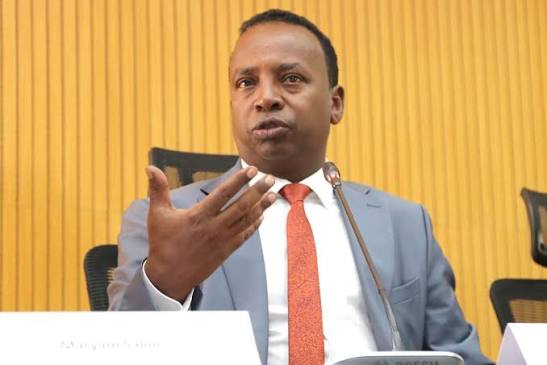
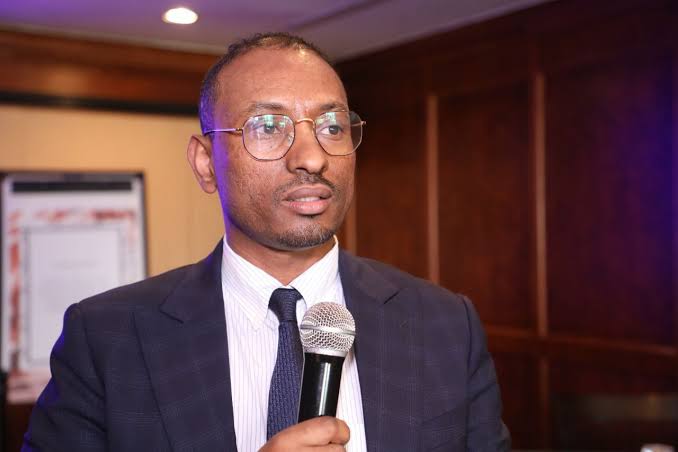
“We need to think differently about how we finance and deliver energy,” said Sultan Wali, State Minister for Energy at Ministry of Water and Energy, at a national workshop in Addis Ababa. “The scale of what we are trying to achieve requires everyone at the table – public, private, and international partners.”
The third phase of the electrification programme arrives at a pivotal moment for Ethiopia’s energy sector. The country has spent years building massive infrastructure, including the Grand Ethiopian Renaissance Dam, but connecting consumers has proven more challenging. Rural areas, in particular, remain underserved, with many communities relying on traditional biomass for cooking and lighting.
Under the new framework, Ethiopia will pursue a twin-track approach: extending the national grid while simultaneously deploying off-grid solutions in remote areas. The strategy also places unprecedented emphasis on digitalisation, climate adaptation, and what officials call “productive use” – ensuring electricity drives economic activity, not just household consumption.
Perhaps most significantly, the government is rewriting the country’s energy policy to encourage private investment. For decades, Ethiopia’s power sector has been a state monopoly, but the new approach signals a pragmatic shift: public coffers alone cannot meet the investment required.
The financial gap is substantial. Even with international development assistance and multilateral financing, the $18 billion price tag will require significant private capital. This opens opportunities for independent power producers, infrastructure funds, and technology companies specialising in off-grid solutions.
Ethiopia’s pitch to investors is compelling. The country boasts Africa’s second-largest hydropower potential, significant geothermal resources along the Great Rift Valley, and some of the continent’s best solar irradiation. It has already demonstrated its capacity for regional leadership, exporting electricity to Kenya, Sudan, and Djibouti through the Eastern Africa Power Pool.
“The regional dimension shouldn’t be underestimated,” said an energy analyst familiar with the programme, speaking on condition of anonymity. “Ethiopia has the potential to become a major power hub for East Africa. That’s attractive to investors looking for export opportunities, not just domestic consumption.”
The strategy also aligns with Ethiopia’s broader economic ambitions. Prime Minister Abiy Ahmed’s administration has prioritised industrialisation, but chronic power shortages have hampered progress. Manufacturers have complained about unreliable supply, forcing some to maintain expensive diesel backup systems.
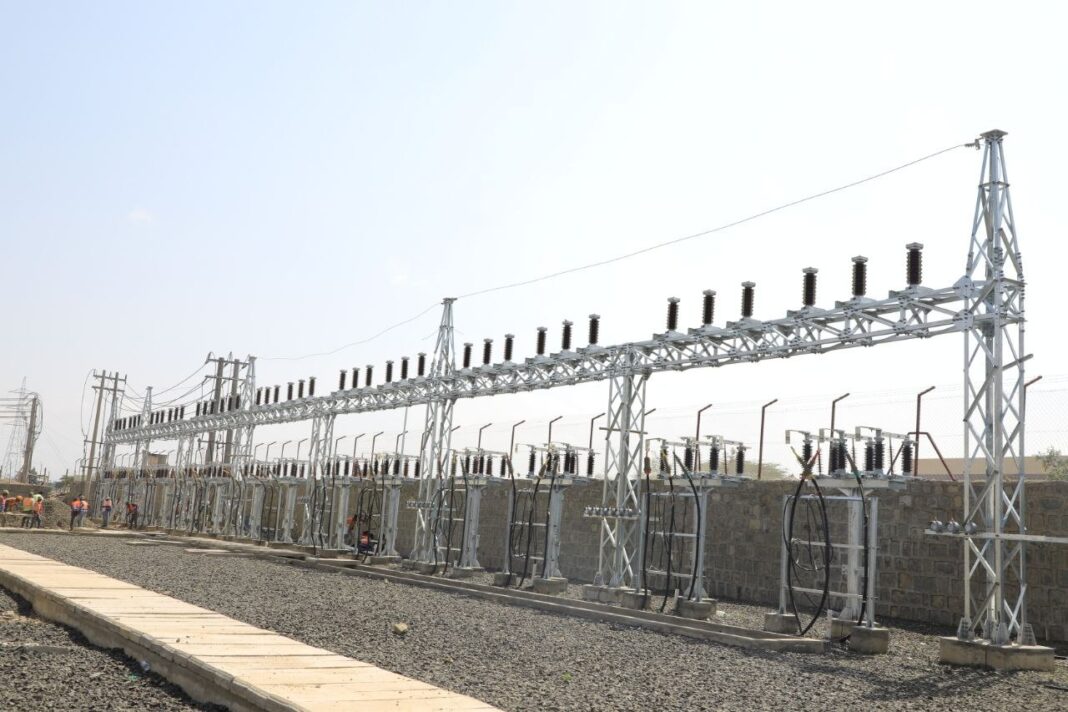
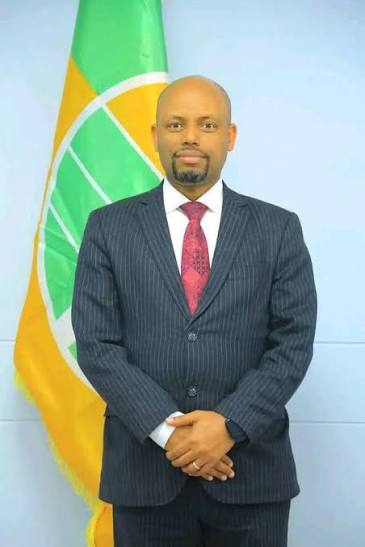
For Ethiopian Electric Power, the state utility responsible for generation and transmission, the new programme means continuing its current expansion while preparing for a more competitive landscape. CEO Ashbir Balcha confirmed that construction of new power plants, transmission lines, and substations would proceed alongside the policy changes.
The distribution side, managed by Ethiopian Electric Utility under CEO Getu Geremew, faces perhaps the greatest challenge: reaching the last mile. “Nationwide access by 2035 is achievable,” Geremew insisted, “but only if we embrace new technologies and new partnerships.”
The strategy has been in development for more than a year, with technical support from international partners including the World Bank and the African Development Bank. These institutions are expected to play a significant role in de-risking private investment and providing concessional financing.
For international investors, the combination of structured government support, renewable resources, and a growing economy of 120 million people makes Ethiopia increasingly difficult to ignore. While challenges remain – including currency constraints, regulatory uncertainty, and infrastructure deficits – the electrification programme signals that Addis Ababa is serious about creating a favourable investment climate.
The next five years will be critical. If Ethiopia can demonstrate progress on both grid expansion and private sector engagement, it could transform its energy sector and, in doing so, change the trajectory of its economic development. The stakes are high, but so is the potential reward.
As Sultan Wali put it: “Energy is not just about lights. It’s about schools, hospitals, businesses, and the future we want to build. We are determined to build it.”SECO