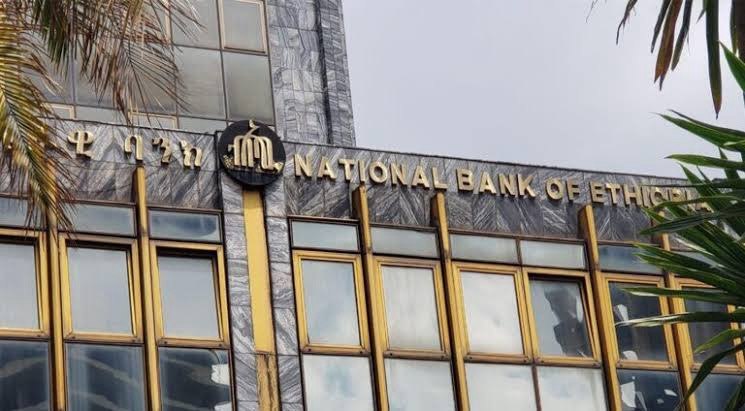
Demand for foreign currency surged at Ethiopia’s latest foreign exchange auction, with bids exceeding the amount offered by more than 40 percent, while the birr strengthened against the U.S. dollar compared with the previous auction.
At the 26th foreign exchange auction held on Thursday, August 20, the National Bank of Ethiopia (NBE) offered $500 million, attracting total bids of about $710 million from participating commercial banks.
Experts said that the level of demand was roughly 42 percent higher than the amount allocated, highlighting continued pressure for foreign currency despite the central bank’s increased supply through the auction mechanism.SECO
A total of 22 banks participated in the latest auction, of which 21 banks submitted successful bids, according to the auction results.
The weighted average rate of successful bids stood at 160.21 birr per dollar.
The latest rate represents an appreciation of about 2.85 percent for the birr compared with the weighted average rate recorded at the preceding auction on August 12.
The movement marks a reversal from the depreciation recorded at the previous auction. On August 12, the weighted average rate of successful bids reached 161.79 birr per dollar, while the highest successful bid stood at 163.98 birr.
The latest auction also comes with a substantially larger foreign-currency allocation than the previous auction. The NBE had allocated only $125 million on August 12, when total bids reached $470.17 million.
The increase in the amount offered by the central bank appears to have helped ease pressure on the auction exchange rate, although demand remained significantly above supply.
Despite the latest strengthening, the birr has lost close to 20 percent of its value against the dollar over the past year, reflecting the continued adjustment of the exchange rate under Ethiopia’s market-oriented foreign exchange regime.
The latest auction is part of the NBE’s broader effort to manage foreign-currency liquidity through regular auctions while allowing market forces to play a greater role in determining the exchange rate.
The strong demand recorded on Thursday nevertheless indicates that foreign-exchange requirements among banks and their customers remain high, even as the central bank has increased the amount of dollars made available through the auction system.
The outcome also underscores the volatility of the birr since Ethiopia introduced its macroeconomic reform program and moved toward a more market-determined exchange-rate system in July 2024.
While the birr gained ground in the latest auction, its year-on-year decline shows that the currency remains under substantial pressure as demand for foreign currency continues to outpace available supply in parts of the market.SECO