By staff reporter Kenya is significantly increasing its electricity imports from Ethiopia, leveraging a new power purchase agreement to boost its energy supply, stabilize the national grid, and achieve substantial cost savings.
According to the latest report from Kenya’s Energy and Petroleum Regulatory Authority (EPRA), the country’s electricity imports surged by 27.8 percent in the year to June 2025. This growth is largely attributed to the first full year of commercial operations under the Ethiopia-Kenya High Voltage Direct Current (HVDC) interconnector. The data shows that total imports rose to 1,533.85 Gigawatt-hours (GWh), up from 1,199.80 GWh the previous year. As a result, imported power now constitutes 10.6 percent of Kenya’s energy mix, making it the fastest-growing energy source.
According Capital FM, Ethiopia has emerged as Kenya’s dominant external power supplier, providing 1,274.42 GWh, which accounts for 83 percent of total imports. Uganda and Tanzania contributed 225.64 GWh and 33.79 GWh, respectively. The 200 MW HVDC interconnector, which became operational in December 2023, is the backbone of this growing energy partnership. The project’s impact is clear: by mid-2025, imports had already reached 751.95 GWh, nearly double the volume recorded in the same period of 2024.
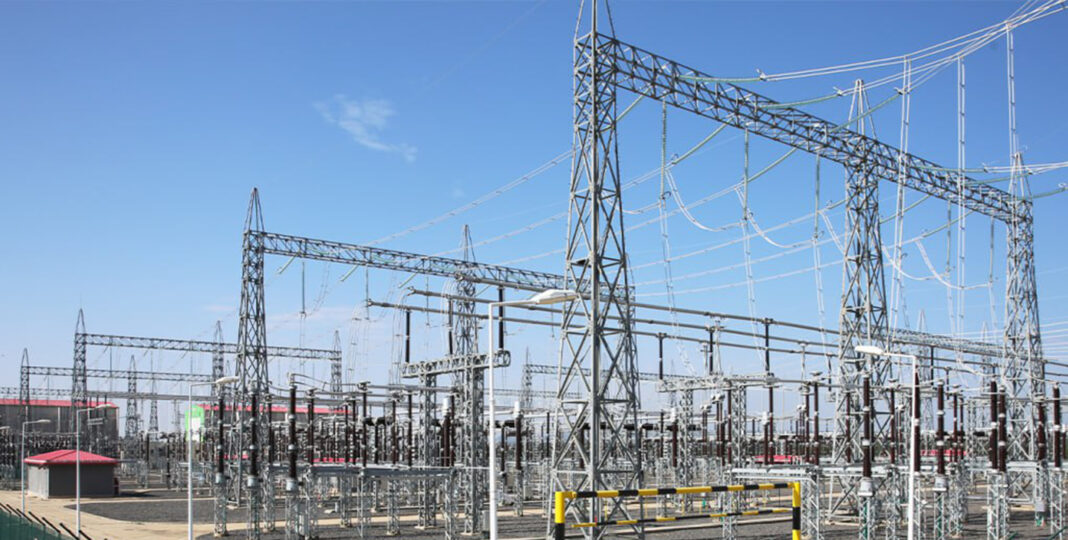
EPRA highlighted the dual benefit of the Ethiopian imports, noting they are more cost-effective than domestic thermal generation and have enhanced grid stability during periods of peak demand. The authority estimates the arrangement saves Kenya approximately $10 million annually. To meet rising domestic demand and avert potential power rationing, negotiations are reportedly underway to increase the import capacity from Ethiopia by an additional 50 to 100 MW. This power exchange is facilitated by the Sodo-Moyale-Suswa interconnector, a 500 kV transmission line viewed as a critical achievement for regional energy integration in East Africa.
The flow of electricity has shown seasonal variation, peaking at 146.02 GWh in January 2025 and reaching a low of 106.01 GWh in July 2024. ©SECO