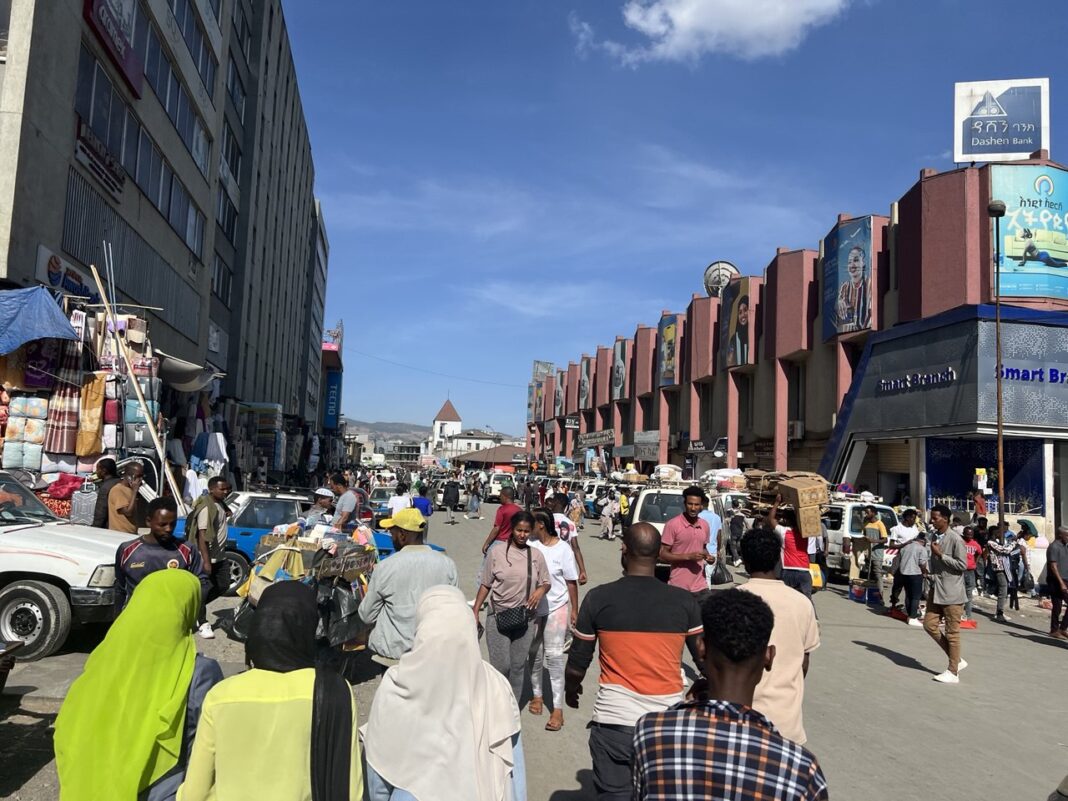
The International Monetary Fund (IMF) has indicated that Ethiopia could benefit from a future realignment of member countries’ quotas, citing the country’s rapid economic growth over the past decade or two and its relatively small quota compared with the size of its economy.
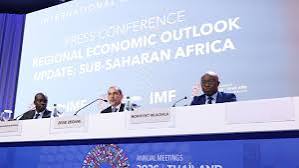
Speaking at the IMF’s October 2026 Regional Economic Outlook press conference, Zeine Zeidane, Director of the IMF’s African Department, said Ethiopia could be among the countries benefiting if a new quota formula is introduced. The press conference was Zeidane’s first since he replaced former regional head Abebe Aemro Selassie in May.
“Ethiopia is a bit different from others, because Ethiopia has been really growing fast over the past decade or two,” Zeidane said. “And if there is a new formula, it’s likely that actually Ethiopia will be one of those benefiting from quota alignment.”
He acknowledged that Ethiopia’s IMF quota remains relatively small compared with the size of its economy, noting that the Fund had taken this into account when designing its current lending program.
According to Zeidane, the IMF provided Ethiopia with what it calls “exceptional access,” allowing financing beyond the normal limits based on the country’s quota.
Zeidane said the IMF’s membership is discussing quota realignment as part of broader governance reforms. He added that the IMF Managing Director had repeatedly stated that low-income countries would be protected from losing their quota shares.
A potential quota adjustment could have implications for Ethiopia’s representation within the IMF and the scale of financing available under quota-based lending arrangements. However, the Fund has not confirmed a specific quota increase for Ethiopia.
The comments came as the IMF released its October 2026 Regional Economic Outlook for Sub-Saharan Africa, projecting regional economic growth of 4.5% in both 2026 and 2027, supported in part by earlier reforms and countries’ adaptation to external shocks.