The framework allows licensed institutions to jointly test financial innovations with other partners, potentially creating new opportunities for international technology providers
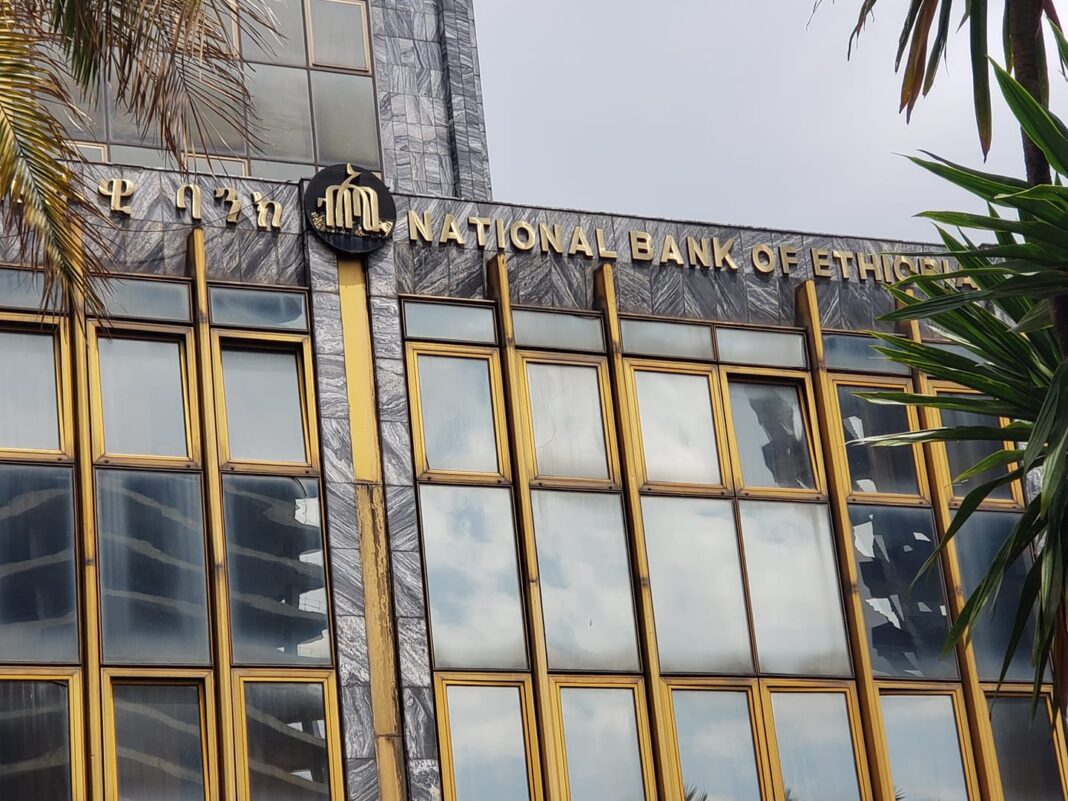
The National Bank of Ethiopia (NBE) has approved a new Regulatory Sandbox Directive, opening a potential route for local financial institutions to collaborate with foreign technology providers and other partners in testing innovative financial products and services.
The directive, numbered FS/01/2026 and dated November 16, 2026, establishes a framework for banks, insurance companies and other regulated financial institutions to experiment with new financial technologies and business models under the supervision of the central bank.
One of the significant features of the framework is the possibility of joint applications involving more than one party. This could create opportunities for Ethiopian financial institutions to work with foreign fintech companies, technology developers and other specialized service providers to test solutions that may not fit within existing regulatory and licensing arrangements.
The November 2025 draft of the directive explicitly required applicants to disclose whether they were applying independently or in partnership with other parties. For joint applications, institutions were expected to explain the legal basis of the arrangement and specify the roles, responsibilities and obligations of each participant.
The directive application requirements also called for information about partners, including their country of incorporation, providing a potential pathway for cross-border technology partnerships. However, participation by foreign companies would remain subject to the NBE’s approval and applicable laws and regulations.
The regulatory sandbox is intended to encourage financial innovation, improve financial inclusion, increase competition and reduce the cost of delivering financial services.
The framework covers a range of regulated institutions, including commercial banks, insurers, reinsurers, microfinance institutions, microinsurance companies, payment instrument issuers, payment system operators and money transfer institutions.
Under the draft, proposed innovations were required to demonstrate that they offered meaningful improvements to existing financial products or addressed gaps in the market. Applicants were also expected to demonstrate technological readiness, consumer benefits, adequate risk management arrangements and the capacity to conduct controlled testing.
The law proposed an initial testing period of up to 12 months, with the possibility of an extension of another 12 months subject to the central bank’s approval.
Consumer protection and risk management were among the major requirements. Participating institutions were expected to obtain informed customer consent, safeguard personal and financial information, establish complaint-handling mechanisms and maintain adequate measures against fraud, money laundering and cybersecurity threats.
The directive also required participants to report significant incidents to the central bank within 24 hours and allowed the regulator to monitor testing, inspect records and suspend or terminate activities where necessary.
The directive comes as the financial sector is undergoing wider liberalization, with the opening of banking to foreign investment and the expansion of digital financial services creating new opportunities for competition and technology-driven business models.
While the sandbox could facilitate collaboration with international players, it does not automatically authorize foreign companies to conduct regulated financial business independently or permit unrestricted cross-border investment. Any proposed activity would remain subject to the relevant regulatory approvals.
The NBE’s approval of the directive described by experts as an important step towards establishing a supervised environment in which financial institutions can explore new technologies and partnerships before introducing products to the wider market.