By EBV staff writer
In a move that is reshaping global agricultural trade, the recent decision by the U.S. government to lift tariffs on imported coffee is creating a significant opportunity for Ethiopia to expand its export earnings and strengthen its position in the lucrative American specialty market.
The policy shift, which has contributed to a recent plunge in global coffee prices, is being viewed by experts as a potential catalyst for Ethiopian growers. While lower world prices can hurt some producers, Ethiopia’s unique position as a source of high-quality, specialty beans makes it particularly well-placed to benefit.
“For years, Ethiopian exporters have been squeezed by rising costs and tariffs,” said J. Michael Smith, a sector expert, in a social media commentary. “Removing these tariffs immediately widens the doorway for Ethiopian beans to enter the U.S. market at more competitive prices.”
Analysts explain that the removal of tariffs allows American roasters, especially those in the specialty and single-origin segments, to purchase Ethiopian coffee at a lower cost. This is expected to increase both the volume and frequency of imports, as lower costs typically stimulate consumption in demand-sensitive markets like coffee.
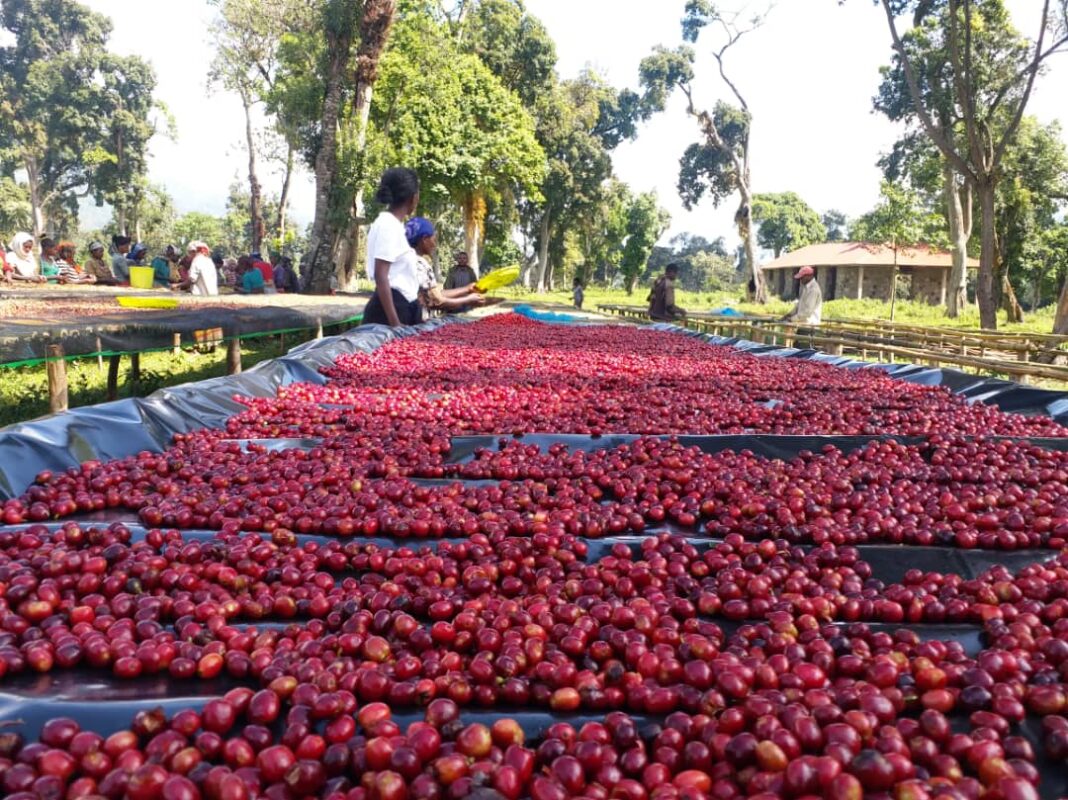
Ethiopia’s primary advantage, however, lies not just in price but in quality. U.S. buyers consistently rank beans from regions like Sidama, Yirgacheffe, and Guji among the world’s most aromatic and complex. With the tariff barrier gone, exporters can offer more competitive contracts while still maintaining sustainable margins for the nation’s smallholder farmers, who cultivate the majority of Ethiopia’s coffee.
“This policy change opens the path for larger long-term contracts, better price stability, and stronger bargaining power for cooperatives,” one expert noted. This directly supports rural livelihoods, which are deeply intertwined with the country’s social and economic fabric.
The tariff relief is also expected to shift sourcing strategies for U.S. brands. With prices also falling for major competitors like Brazil and Colombia, American roasters are now looking more closely at origins where quality truly differentiates the product.
Ethiopia already exports tens of thousands of tons of coffee to the United States annually, but capacity has been limited by global market barriers. With tariffs lifted, export volume is projected to rise, potentially fostering new trade partnerships and helping value-added Ethiopian brands gain traction on American shelves.
The ripple effects could strengthen the entire supply chain, from smallholder incomes to processing facilities and local job creation across Ethiopia’s coffee-growing regions. For a country where millions depend on coffee, the policy shift represents more than an economic adjustment—it is a chance for growth, stability, and new opportunity. ©SECO