By EBV staff writer
A groundbreaking new study has quantified the staggering economic hemorrhage caused by Ethiopia’s landlocked geography, revealing that port access constraints cost the nation between $19 billion and $31 billion in foregone economic output annually. This figure represents a crippling 13 to 23 percent of the country’s total GDP as of 2024.
The comprehensive analysis, titled “Reclaiming Sovereignty at Sea: The Historical, Geopolitical, and Economic Imperatives Behind Ethiopia’s Legal Claim to Sovereign Port Access,” was recently unveiled during a validation forum hosted by the Policy Studies Institute (PSI).
Researchers at PSI developed a sophisticated multi-dimensional framework to calculate this burden, moving beyond simple freight fees to encompass indirect costs and the broader macroeconomic strangulation of international commerce. Senior researcher Jemal Mohammed (PhD), a principal architect of the study, detailed that the formula applied specific cost multipliers to trade values—using CIF for imports and FOB for exports.
The findings indicate that direct port handling charges consume approximately 12.2 percent of the value of traded goods. When adding an estimated three percent loss from logistical delays and spoilage, total port-related friction costs surge to roughly 15.2 percent of trade value.
The report characterizes these expenditures as a permanent levy on Ethiopian commerce—one that grows in absolute terms alongside the nation’s trade volume. In 2024 alone, the export sector absorbed an estimated $3.7 billion in losses. Over the past two decades, these cumulative losses have reached an estimated $38 billion.
The broader impact on trade for the year exceeded $16 billion. To contextualize this figure, researchers noted it is equivalent to 193 percent of Ethiopia’s external debt service obligations for 2024. Furthermore, the accumulated losses over twenty years represent more than 270 percent of total debt repayments during that span, directly illustrating how the nation’s geographic constraints intensify chronic foreign currency shortages.
On a human scale, the research calculated the welfare cost per citizen, estimating an annual loss ranging from $145 to $235—or up to 35,000 Birr per person.
Jemal argued that these persistent financial leaks translate directly into missed opportunities for poverty alleviation and a widening disparity in living standards, carrying profound long-term social consequences.
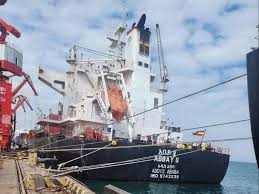
Since Eritrea’s secession in 1993, Ethiopia has been compelled to channel the vast majority of its maritime trade through Djibouti. This reliance has created acute vulnerabilities concerning trade security and geopolitical leverage, positioning the quest for reliable and diversified harbor access as a fundamental prerequisite for sustainable industrialization and economic expansion.
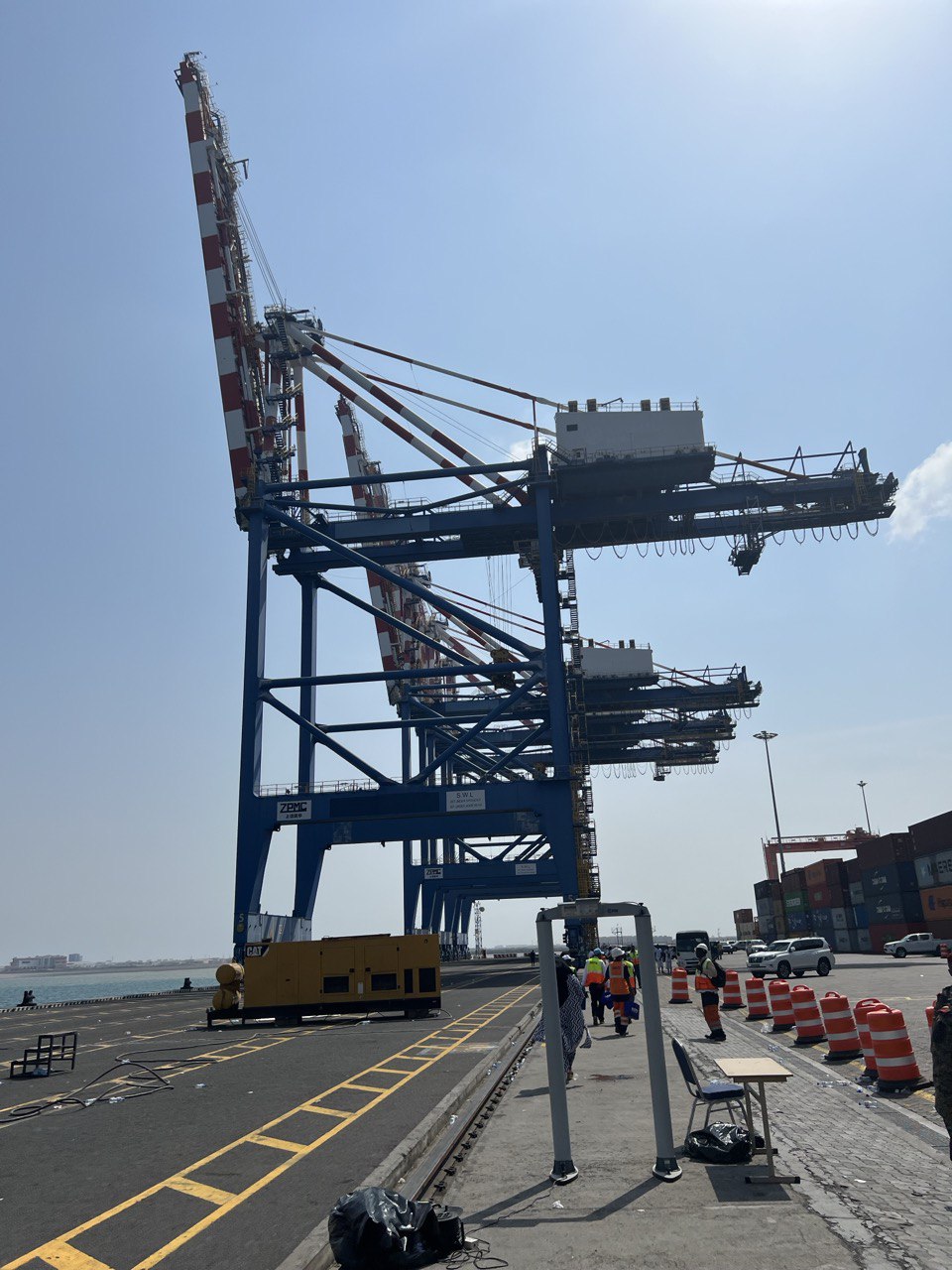
The investigation also highlighted a precarious dependency on transit states, which exposes Ethiopia to access disruptions and exploitative pricing. Qualitative data gathered for the study revealed severe operational hurdles, including chronic port congestion. Testimonies collected by researchers described waiting periods extending up to 30 months in extreme cases, attributed to vessel backlogs and insufficient handling equipment. Such delays frequently result in forfeited shipments, broken contracts, and substantial financial penalties.
Additional findings point to persistent shortages of shipping containers and volatile, elevated costs. Mandatory foreign currency reserves and excessive demurrage charges can inflate the cost of a single shipment by over $10,000, severely squeezing corporate profitability.
Beyond the economic realm, the study underscores that Ethiopia’s lack of a coastline presents significant national security dilemmas. While the Red Sea and the Gulf of Aden serve as the country’s strategic maritime approach, this corridor remains a source of instability due to foreign rivalries, the fragility of neighboring states, and the military footprint of extra-regional powers.
As the most populous nation on earth without a coastline, Ethiopia is now actively asserting its ambition to secure direct port outlets, framing the issue not merely as an economic convenience, but as an imperative for reclaiming sovereign agency and ensuring long-term stability.©SECO