By EBV staff writer
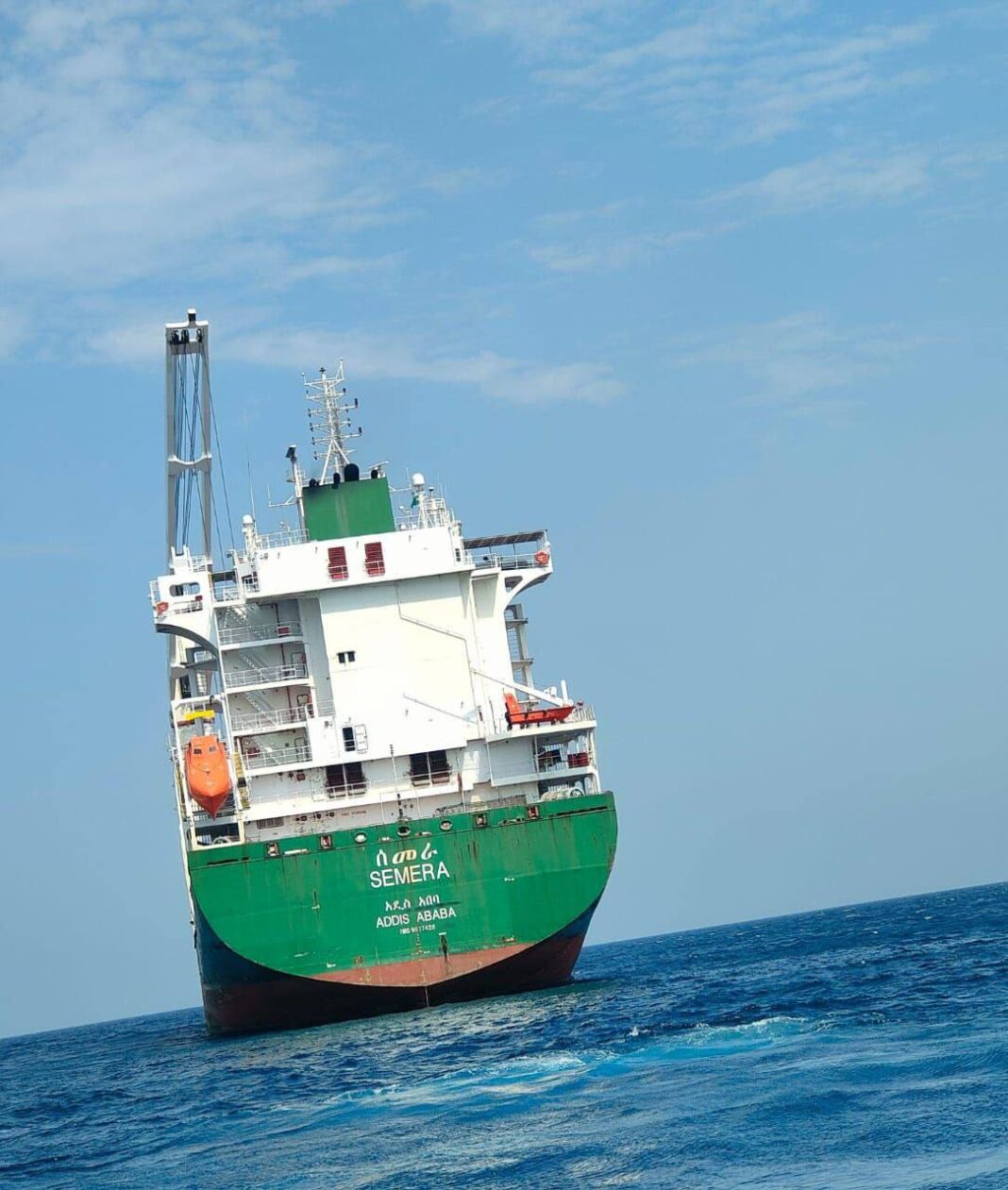
During the first half of the 2025/26 budget year, Ethiopian Shipping and Logistics (ESL), the continent’s sole deep-sea vessel operator, successfully transported over 409,000 tons of cargo using its own fleet.
The state-owned logistics giant currently operates nine handysize multipurpose vessels and one Ultramax bulk carrier.
According to ESL’s report for the six-month period ending July 7, the company moved 409,604 tons of cargo—marking a 49.6% increase compared to the same period last year and exceeding its target by 61.4%.
“This remarkable progress reflects our continued commitment to strengthening Ethiopia’s import and export logistics capacity and supporting the nation’s trade and economic growth,” the company stated.
Recently, Abdulber Shemsu, the CEO of ESL, stated that his vessels primarily focus on transporting Ethiopian cargo.

ESL is currently in the bidding process to acquire additional vessels. Its acquisition strategy focuses on securing medium-sized ships, including container vessels. The planned procurement includes two new heavy-lift Ultramax multipurpose (MPP) vessels, one second-hand medium-sized container ship, and three second-hand Ultramax bulk carriers.
In its Expression of Interest for brokerage services, ESL specified that the container vessel should have a capacity ranging from 3,000 to 5,000 TEU and be no more than ten years old. The company has also revised its earlier plan to acquire two container ships, opting instead to increase the number of second-hand Ultramax MPP vessels to three. The bulk carriers must have a deadweight tonnage between 60,000 and 65,000 and be no older than eight years.
For the construction of the two new heavy-lift MPP Ultramax vessels—each with a capacity of 60,000 to 65,000 metric tons—ESL has introduced a two-stage bidding process.
The company is in discussions with the state-owned Commercial Bank of Ethiopia to finance half of the total acquisition cost. The remaining portion is expected to be covered through internal resources and credit arrangements.©SECO