By EBV staff writer
The road sector has emerged as the largest recipient of capital expenditure in the federal government’s proposed budget for the 2026/27 fiscal year, receiving more than one-fifth of the total capital allocation.
Presenting the budget to the House of Peoples’ Representatives last week, Finance Minister Ahmed Shide proposed a total federal budget of 2.34 trillion birr for the upcoming fiscal year.
Of the total proposed expenditure, 568.3 billion birr, representing 24.3 percent of the budget, has been earmarked for capital investment. The road sector alone is set to receive nearly 122 billion birr, equivalent to 21 percent of the total capital budget.
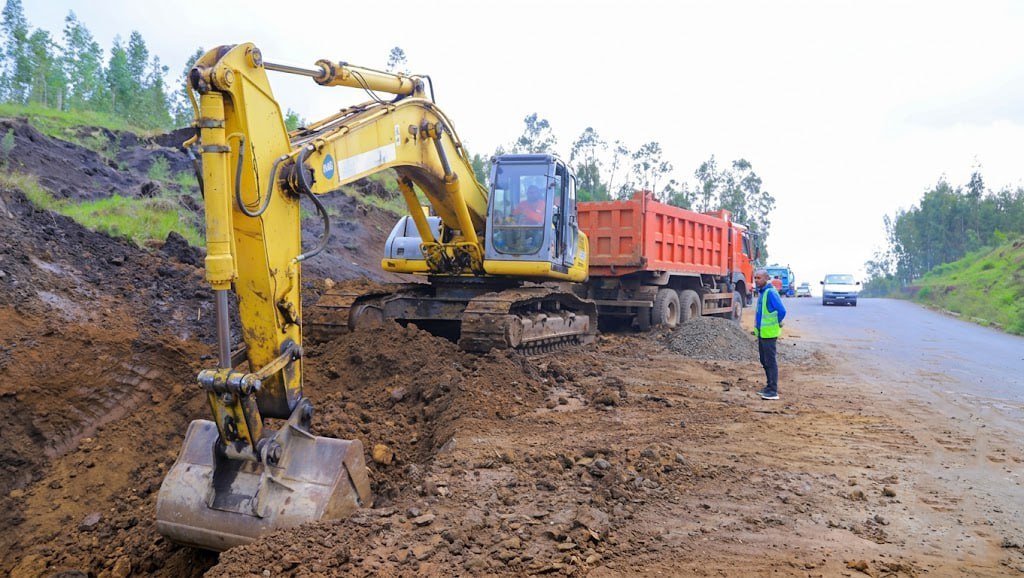
The allocation is expected to be administered primarily through the Ethiopian Roads Administration, the government agency responsible for the development, management and maintenance of the country’s federal road network.
According to the minister, 109 billion birr of the road sector allocation will be financed from domestic resources, while the remaining 12.8 billion birr will be covered through foreign grants and concessional loans.
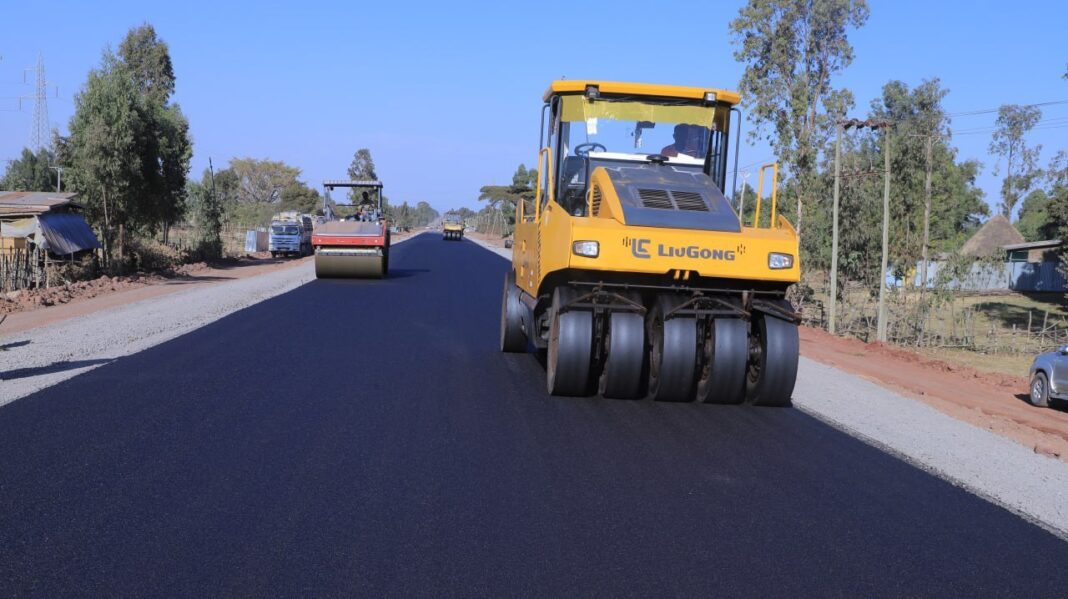
Ahmed said the allocation will support the construction of road connectivity projects across the country, while also prioritizing the maintenance of existing infrastructure and the completion of ongoing projects.
The proposed capital budget marks a 37 percent increase, or 153 billion birr, compared to the approved capital expenditure for the current fiscal year. Despite accounting for less than a quarter of the total budget, capital spending is expected to be financed predominantly through domestic revenue sources.
The budget proposal indicates that 425 billion birr—approximately 75 percent of the total capital expenditure—will be funded from the federal treasury. External grants are expected to contribute 112.6 billion birr, while project loans will finance an additional 31 billion birr.
Following the road sector, education and irrigation projects received the second- and third-largest capital allocations, with proposed budgets of 61 billion birr and 30.5 billion birr, respectively.
The allocation underscores the government’s continued emphasis on infrastructure development as a key driver of economic growth, while maintaining significant investments in education and agricultural productivity.SECO