Ethiopia’s debt outlook is expected to improve from “debt distress” to “stable” following the International Monetary Fund’s (IMF) upcoming fifth review of the country’s Extended Credit Facility (ECF) program, which is scheduled for approval by the IMF Executive Board on July 1.
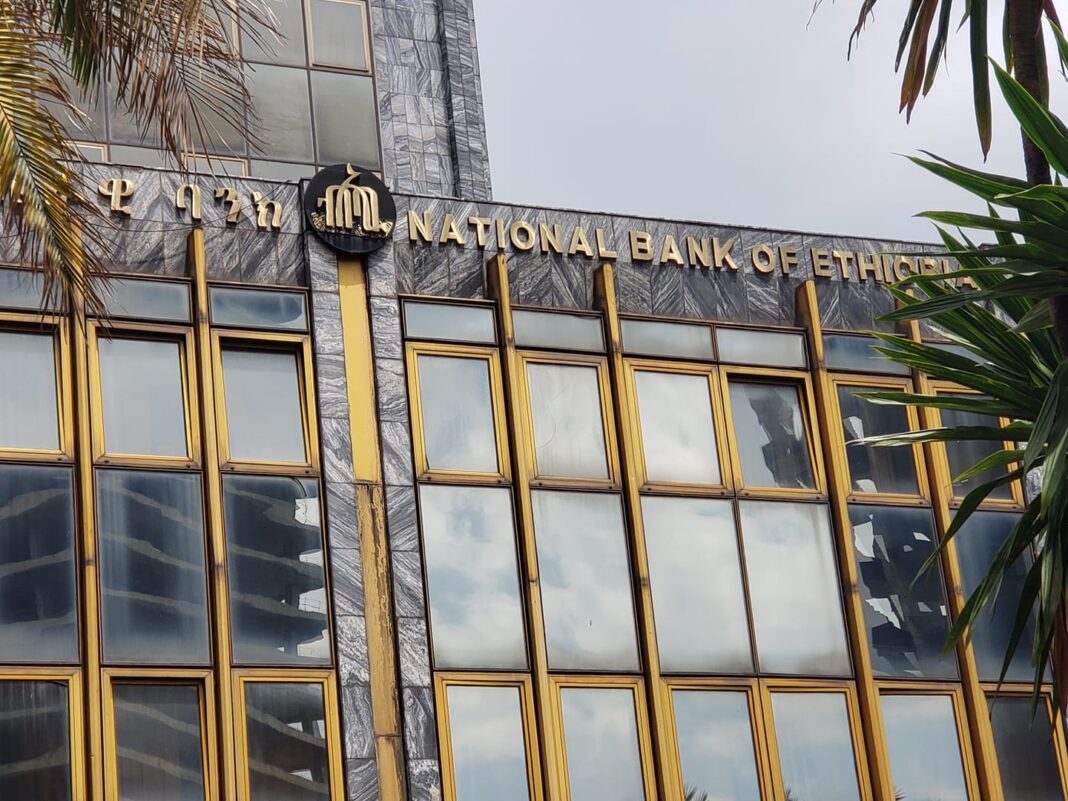
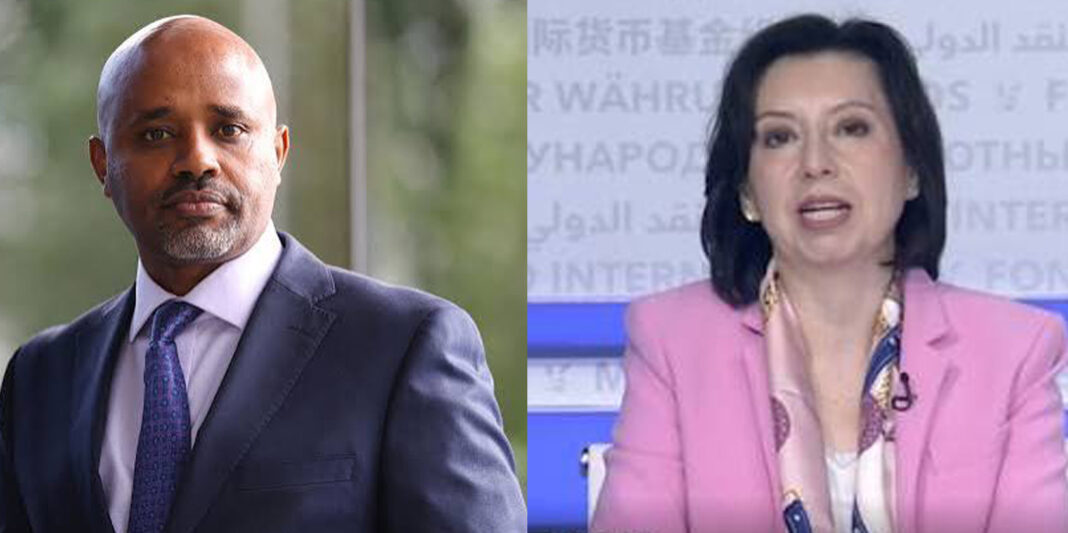
Speaking at a forum on Ethiopia’s economic development organized by the Office of the Prime Minister, National Bank of Ethiopia Governor Eyob Tekalign said the government’s macroeconomic reform agenda has significantly strengthened the country’s debt sustainability.
The governor noted that Ethiopia, which has been classified as a debt-distressed country since 2017, is now on track to achieve a sustainable public debt position. He expressed confidence that the IMF’s latest Debt Sustainability Analysis will conclude that the country’s debt is sustainable, adding that Ethiopia’s debt-to-GDP ratio is expected to improve further over the coming year.
Meanwhile, Ethiopia is awaiting the IMF Executive Board’s decision on the fifth review of the ECF program. During a press briefing on Thursday, IMF Communications Director Julie Kozack announced that the review includes a proposal to rephase disbursements under the program by advancing approximately USD 200 million. The additional financing is intended to help Ethiopia mitigate the economic impact of the Middle East conflict and rising global energy prices, while maintaining the program’s total financing envelope of USD 3.4 billion.
“The staff report following Board approval will contain the revised disbursement profile for the remainder of the program,” Kozack said, adding that future program reviews will continue to assess Ethiopia’s evolving financing needs.
According to the Ministry of Finance’s latest public debt analysis, Ethiopia’s total public sector debt—comprising both domestic and external liabilities—declined by 2.02 percent to USD 52.1 billion as of December 31, 2025, down from USD 53.2 billion six months earlier.
The report attributes the decline primarily to a 7.53 percent reduction in domestic debt, largely driven by the adoption of a market-determined exchange rate regime, despite a 1.01 percent increase in external debt over the same period.
The Ministry also reported that Ethiopia’s outstanding external debt reached USD 34.4 billion by the end of December 2025, up from USD 29.7 billion at the launch of the country’s macroeconomic reform program on July 29, 2024.
In parallel, Ethiopia is in the final stages of negotiations with its G20 official creditors under the Common Framework for Debt Treatments. The restructuring process is expected to provide substantial debt relief and further strengthen the country’s debt sustainability outlook.SECO