Ethiopia’s ambitious drive to transform itself into a regional sugar powerhouse has left the country grappling with one of the largest unfinished development legacies in its modern history—a burden of more than $2.1 billion in external debt and 110 billion birr in unsettled domestic loans.
Senior government officials now say the massive sugar expansion launched under the first Growth and Transformation Plan (GTP I) became a cautionary tale of how bold national ambitions can spiral into a costly financial crisis when plagued by poor execution and weak project management.
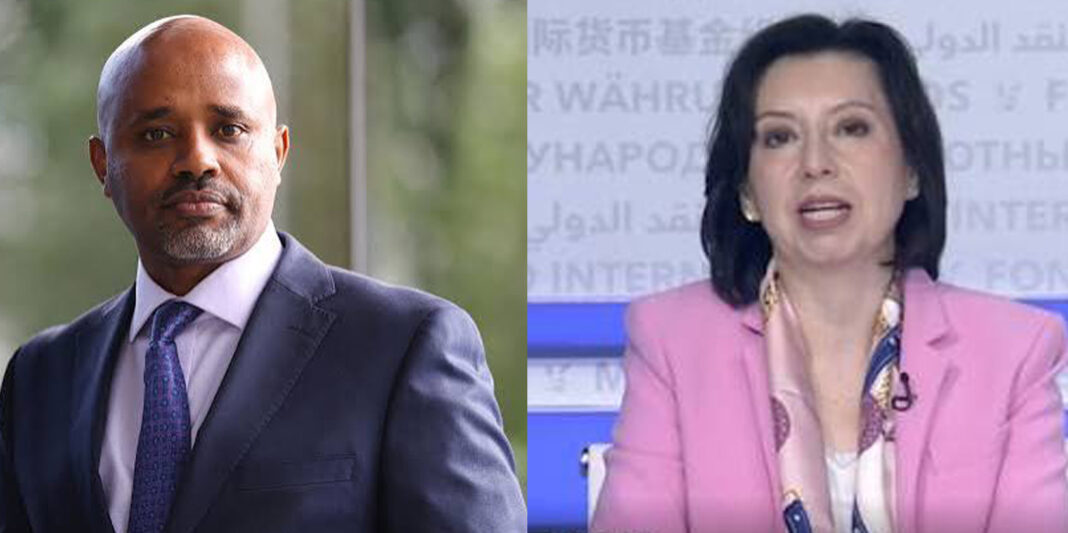
Speaking at a reform evaluation forum in Addis Ababa, the CEO of Ethiopian Investment Holdings, Brook Taye (PhD), described the sugar sector as one of Ethiopia’s most ambitious infrastructure programs over the past quarter-century.
“Enormous financial resources were committed. Government support was there,” Brook said. “But the results fell far short of expectations.”
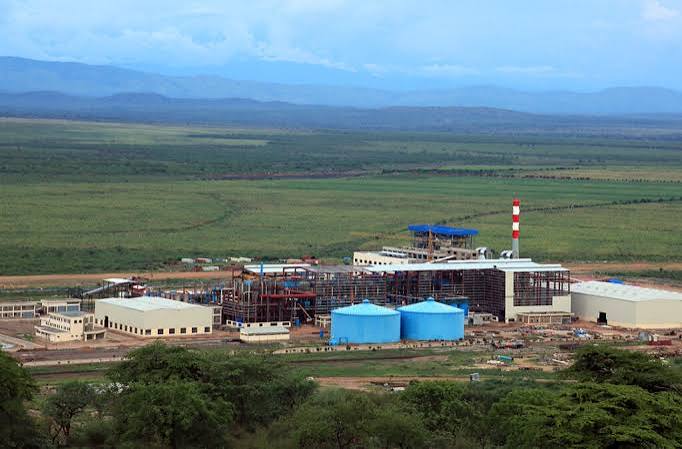
According to his presentation, the Kuraz Sugar Development Project in southern Ethiopia—planned as five massive integrated sugar estates—consumed 65 billion birr, equivalent to approximately $1.1 billion at the time. Yet, years after construction began, the flagship project remains unfinished.
The burden extends well beyond Kuraz.
Brook revealed that the former Ethiopian Sugar Corporation, now renamed the Ethiopian Sugar Industry Group, is carrying an estimated 144 billion birr, or roughly $2.1 billion, in external debt accumulated during the sugar expansion program.
The financial strain also spread deep into Ethiopia’s banking sector.
“The debt burden was not limited to foreign creditors,” Brook noted. “Poorly managed implementation of the ambitious sugar projects placed enormous pressure on the Commercial Bank of Ethiopia.”
According to him, the state-owned bank is still exposed to approximately 110 billion birr in loans tied to the sugar sector. He added that nearly 83 percent of the Kuraz I project remains incomplete, despite the billions already invested.
The challenges continue elsewhere.
Brook disclosed that an additional 42 billion birr is still required to complete the long-delayed Welkite Sugar Factory, highlighting the enormous cost of finishing projects that have remained stalled for years.
“It was a marvelous idea to develop a sugar industry,” he said. “It was a strategic bet. But failed leadership turned it into a strategic gamble that Ethiopia continues to pay for today.”
The sugar expansion was unveiled in 2010 as a flagship component of the first Growth and Transformation Plan introduced under the late Prime Minister Meles Zenawi. The government envisioned constructing ten large-scale sugar estates that would dramatically increase domestic production, create jobs, reduce sugar imports, and generate billions of dollars in export revenue.
However, even as the projects were announced, economists and international financial institutions—including the International Monetary Fund (IMF)—warned that launching numerous capital-intensive mega projects simultaneously could place severe pressure on Ethiopia’s finances.
Those concerns proved prescient.
The sugar estates were pursued alongside several other massive national investments, including the Grand Ethiopian Renaissance Dam (GERD), the Ethio-Djibouti Railway, the Addis Ababa Light Rail Transit, large-scale university expansion programs, and numerous other state-led infrastructure initiatives.
While many of these projects were intended to accelerate Ethiopia’s economic transformation, several experienced significant delays, cost overruns, and financing challenges.
By the time the current administration assumed power in 2018, most of the sugar projects remained incomplete despite billions of dollars already spent.
Today, officials argue that the sugar sector stands as one of the clearest examples of how ambitious development plans, when not matched by effective leadership, sound project management, and financial discipline, can evolve into long-term liabilities that continue to weigh on both the national economy and the country’s financial institutions.SECO