Ethiopia has issued its first directive governing simplified border trade with Kenya, establishing a legal framework for cross-border commerce while excluding beans from the list of approved commodities despite their prominence in informal trade between the two countries.
The Ethiopia-Kenya border has long been a major corridor for informal trade.
The Ministry of Trade and Regional Integration (MoTRI) issued the Ethiopia-Kenya Border Trade Directive No. 1144/2026 late last week to implement the Simplified Border Trade Framework signed by the two governments in Addis Ababa on December 19, 2025.
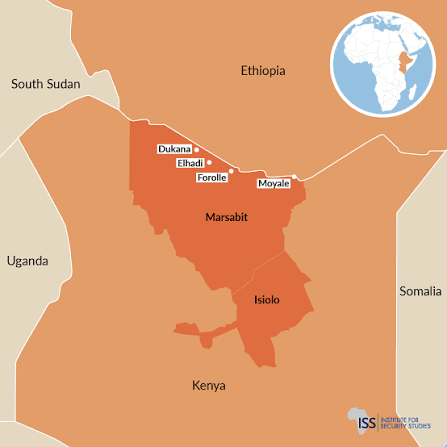
The directive applies to communities living within 50 kilometres of the Ethiopian border and 100 kilometres inside Kenya. It aims to improve access to essential consumer goods that are not readily available in the interior regions of the two countries.
“Establishing a legal border trade system in the border areas will help reduce the prevalence of contraband and other illegal trading activities in the region, strengthen the relationship between the neighboring peoples of Ethiopia and Kenya, and contribute to maintaining peace and security in the border areas,” the directive said.
The Ethiopia-Kenya border has long been a major corridor for informal trade. Grains and livestock are among the main commodities smuggled from Ethiopia, while pharmaceuticals and electronic products are commonly brought into Ethiopia through illegal channels.
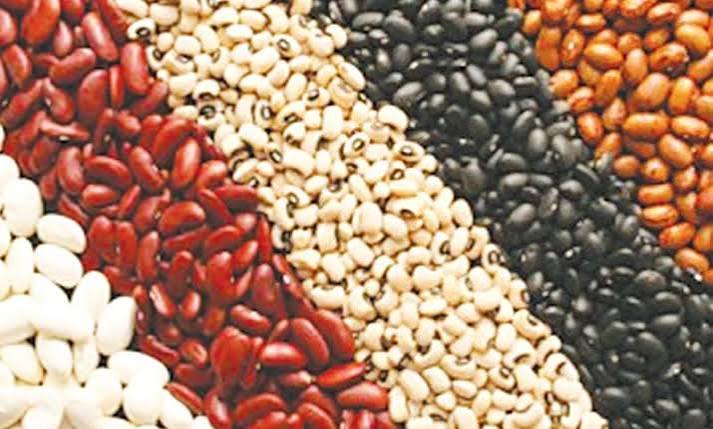
Although beans are among the most traded agricultural products across the border and are widely consumed in Kenya, they were not included in the list of commodities eligible for simplified border trade. The directive does not explain the reason for their exclusion.
Under the new rules, traders may transport up to two cattle, five goats, five sheep or two camels per trip. Poultry, fish and fish products, milk, yogurt, butter, cheese, natural honey and eggs are also eligible for trade.
Fresh vegetables, fruits, chili peppers, spices, ginger, tea leaves and maize may be traded up to a maximum of one quintal (100 kg) per trip. Rice, finger millet, flour, edible oil, candy, chewing gum, fruit juice, powdered juice and baking soda are also included on the approved list.
The directive states that export prices will be based on official price lists issued by authorities designated by the ministry, while imported goods will be valued in accordance with Ethiopia’s customs laws. MoTRI, or an authorised regional administration, must also provide the Ethiopian Customs Commission with updated price lists and information on border trade licences that have been issued or revoked.
To qualify for the scheme, traders must be Ethiopian citizens who permanently reside in designated border areas, are not engaged in regular commercial trade, have been selected with the participation of local communities and administrative authorities, and agree to trade only within the designated border zone.
The directive limits the total monthly value of goods imported and exported by each trader to the equivalent of $1,000 and allows a maximum of four cross-border trips per month, provided the value of traded goods remains within that ceiling.
It also requires all imports and exports to pass through border posts where the Ethiopian Customs Commission provides customs clearance services and prohibits traders from transferring or lending their border trade licences to other people.
Trade experts say that while Ethiopia has signed bilateral trade agreements and border trade protocols with several neighbouring countries, this is the first directive to establish detailed operational rules for simplified border trade.SECO