The Ethiopian Electric Power (EEP) plans to launch two new power generation projects in the current 2026/27 budget year, using its own financial resources as the state-owned power producer seeks to diversify an electricity system heavily dependent on hydropower.
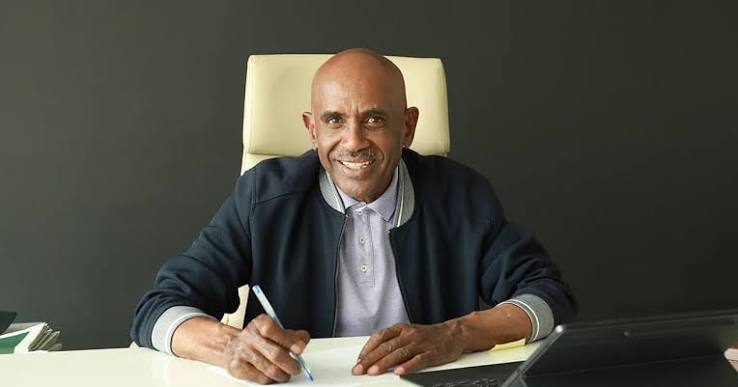
The projects — the 246-megawatt Genale Dawa VI hydropower project and the 125-megawatt Gaad I solar photovoltaic (PV) project — are expected to enter their initial implementation stages during the fiscal year, according to EEP Chief Executive Officer Ashebir Balcha.
Ashebir said EEP intends to finance the early stages of both projects from its own resources, while continuing efforts to secure financing from international development partners and foreign financial institutions.
“For this year, we have targeted commencing the projects using our own resources,” Ashebir said, noting that financing arrangements with foreign partners are still being pursued.
Ethiopia’s power generation remains overwhelmingly dependent on hydropower. Hydroelectric facilities account for about 95 percent of the country’s total installed generation capacity of 9,730 MW, with most of the remainder supplied by wind power.
EEP is now seeking to broaden the country’s generation mix by accelerating solar and other alternative sources, particularly as climate-related risks put pressure on hydropower generation.
“As part of that, we are now working to accomplish the Gaad 125 MW solar PV project as soon as possible,” Ashebir said.
The Gaad I project was initially developed under Ethiopia’s Scaling Solar programme through a public-private partnership arrangement involving Saudi Arabia-based ACWA Power. The original $150 million agreement was later terminated, and the project has since been placed under a new development approach.
Ashebir said the project’s relatively short implementation period makes it suitable for development under the country’s current financing and foreign-exchange framework. EEP now plans to begin the project during the 2026/27 budget year.
The move comes as Ethiopia faces increasing pressure to secure alternative sources of electricity amid concerns over water availability at major hydropower facilities.
The current El Niño-related conditions have affected water inflows into major generation sites, including the Grand Ethiopian Renaissance Dam (GERD) and Gibe III. Ashebir said expanding solar generation would help compensate for potential reductions in hydropower output.
Ethiopia is also considering nuclear power as part of its longer-term strategy to diversify its electricity supply. The government has previously announced an initiative to explore nuclear power generation as an additional energy source.
Meanwhile, EEP plans to begin initial work on the Genale Dawa VI hydropower project, which is designed to generate 246 MW.
The company had been seeking financing from China’s Export-Import Bank, but the financing has yet to be secured. EEP has therefore decided to proceed with the initial phase using its own resources while continuing to seek external financing.
“We were seeking financing from China EXIM Bank, but the financing has not yet been secured. Because of this, we have decided to commence the initial stage from our own resources,” Ashebir said.
The push to expand generation capacity is also being driven by rising demand from large industrial projects. Ashebir said some prospective industrial developments, including aluminium processing plants, could require electricity on a scale comparable to the output of the GERD.
“We have companies demanding huge amounts of power for their industries, including aluminum milling factories that require as much power as GERD generates. So we have to diversify power generation,” he said.
EEP currently has the Koysha and Aysha power projects under development. The launch of Genale Dawa VI and Gaad I would make them the first major new generation projects to commence following the inauguration of the GERD last year.
The expansion comes as EEP’s financial position has strengthened following Ethiopia’s macroeconomic reform programme introduced in July 2024. The company has improved its ability to settle domestic credit obligations on time, while continuing to service international financing commitments.
EEP has international debt obligations of more than $1.6 billion to various financiers.
According to EEP’s financial statements, the company has assets valued at about 900 billion birr, while its authorised capital stands at 1.3 trillion birr and paid-up capital at 585 billion birr.
The planned projects form part of EEP’s broader effort to increase generation capacity while reducing the country’s exposure to fluctuations in hydropower output and meeting rapidly rising electricity demand from industry and other sectors.SECO