Rosatom has highlighted the potential of advanced 3D printing technology to help Ethiopia produce complex industrial components and spare parts locally, reducing production times and dependence on imports.
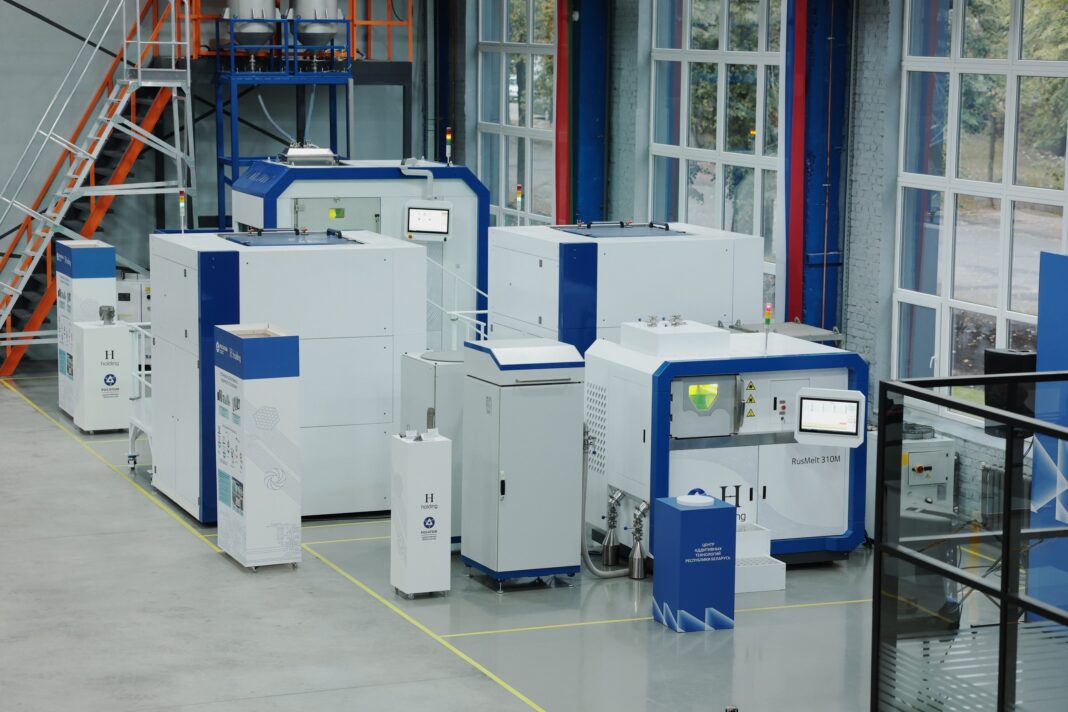
According to Rosatom, its additive manufacturing technologies were showcased during a visit by Egypt’s Minister of Electricity and Renewable Energy, Dr. Mahmoud Esmat, to the company’s Moscow Additive Technologies Centre on August 27, 2026.
The Russian nuclear technology company said additive manufacturing could enable countries to establish local centres combining production, engineering expertise and training, while creating a foundation for future domestic equipment manufacturing.
Rosatom cited its production of a complex spacer grid for nuclear fuel assemblies as an example. The component, which traditionally requires months of manual work, can reportedly be produced using 3D printing in just 10–11 hours.
The company said the technology could be particularly valuable for complex or low-volume parts by reducing the need for tooling, casting and extensive machining.
Rosatom also pointed to Ethiopia’s emerging 3D-printing activities in construction and automotive manufacturing. It said additive manufacturing could support local production of auto parts, prostheses and other specialised components, potentially shortening supply chains and reducing reliance on imported products.