
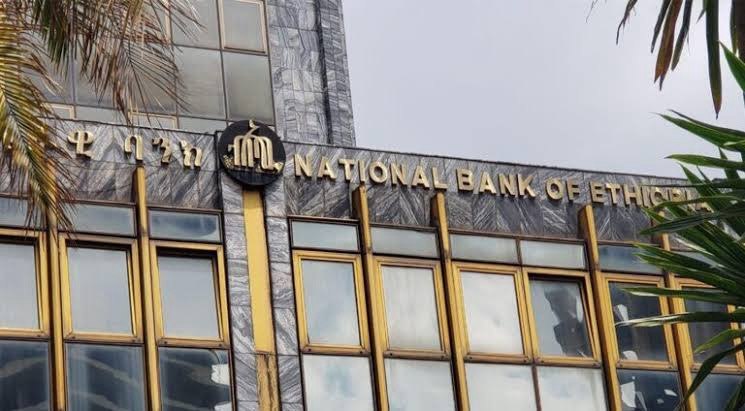
Experts’ View: Upfront Interest and Compounding Raise Concerns Over Unwarranted Deposit Growth
Addis Ababa, September 18, 2026 — The National Bank of Ethiopia (NBE) has ordered banks to immediately stop the upfront payment of deposit interest and the compounding of such interest with principal before deposits reach maturity, after identifying the practices through its supervisory engagements.
In a September 9, 2026 letter addressed to all banks, the NBE said it had identified cases in which certain banks were recognizing and paying interest on time deposits in advance of the actual maintenance of the deposit balance and before the deposits reached maturity.
The central bank specifically cited a practice in which interest is paid on the first day of a deposit contract and subsequently added to the principal. Once added to the principal, the additional amount can itself generate further interest, increasing the recorded deposit balance without the corresponding passage of time or maintenance of the underlying funds.
The NBE described the practice as “malpractice,” warning that it distorts the market, fuels unhealthy competition, creates opportunities for misuse of public funds and undermines the sound operation of financial institutions.
The central bank has therefore instructed banks to immediately cease calculating, recognizing and paying interest upfront to depositors, as well as compounding such interest with the principal on any deposits, including time deposits, before maturity.
Financial industry sources told EtBusinessView that some established banks, including banks that have faced public scrutiny over financial issues in recent months, are believed to have been involved in practices of this nature.
The sources described the practice as totally unacceptable, arguing that particularly in cases where interest is compounded for selected customers without the underlying funds being maintained for the required period, it can effectively resemble “printing money.”
According to the sources, adding interest to the principal before the deposit has actually earned that interest allows the balance to generate further returns without a corresponding increase in the underlying funds or economic activity. They said this could provide an unwarranted financial benefit to selected customers while distorting competition among banks.
The “printing money” characterization is the assessment of the financial industry sources and is not terminology used by the NBE in its September 9 directive.
The NBE said the directive is intended to safeguard financial stability, ensure fair competition and protect the integrity of the banking system. It also warned that it will take further supervisory and enforcement measures against banks that fail to implement the instruction.
The directive comes as Ethiopia’s banking industry operates under a market-based interest-rate framework, with banks determining deposit rates subject to NBE requirements.