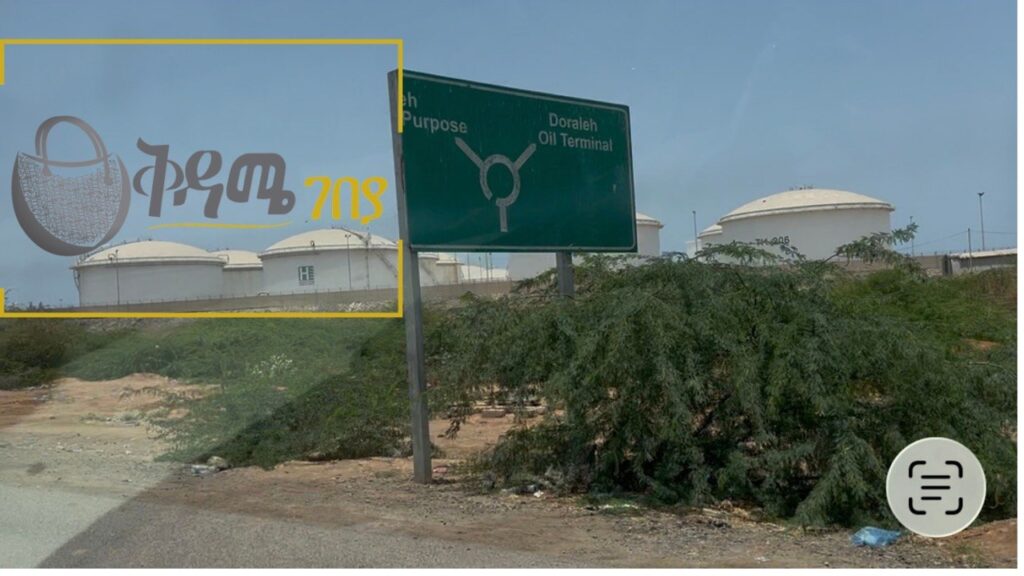
ENOC has requested an expansion of its oil storage facilities at Djibouti’s Doraleh port and urged the Djibouti Ports and Free Zones Authority (DPFZA) to invest in expanding the port’s oil jetty, as regional demand for petroleum storage and transportation infrastructure grows.
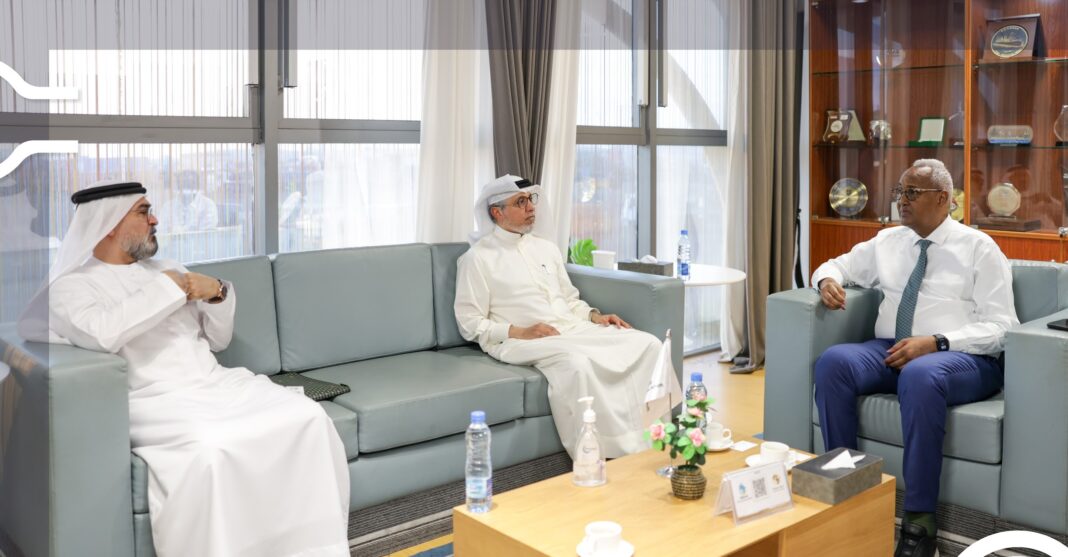
The requests were raised during a meeting at the Red Sea World Centre, where the DPFZA chairman Aboubaker Omar Hadi, Chairman received a delegation led by Ahmed Alfalahi, Managing Director of Supply, Trading and Processing at Emirates National Oil Company (ENOC). The delegation also included Fahad Askar, CEO of Horizon Terminals Limited (HTL), and Omar Kassou, General Manager of Horizon Djibouti Terminals Limited (HDTL).
The meeting comes as Djibouti moves to expand its petroleum infrastructure to meet growing demand from Ethiopia and other regional markets, with competing investment initiatives emerging at Doraleh and Damerjog.
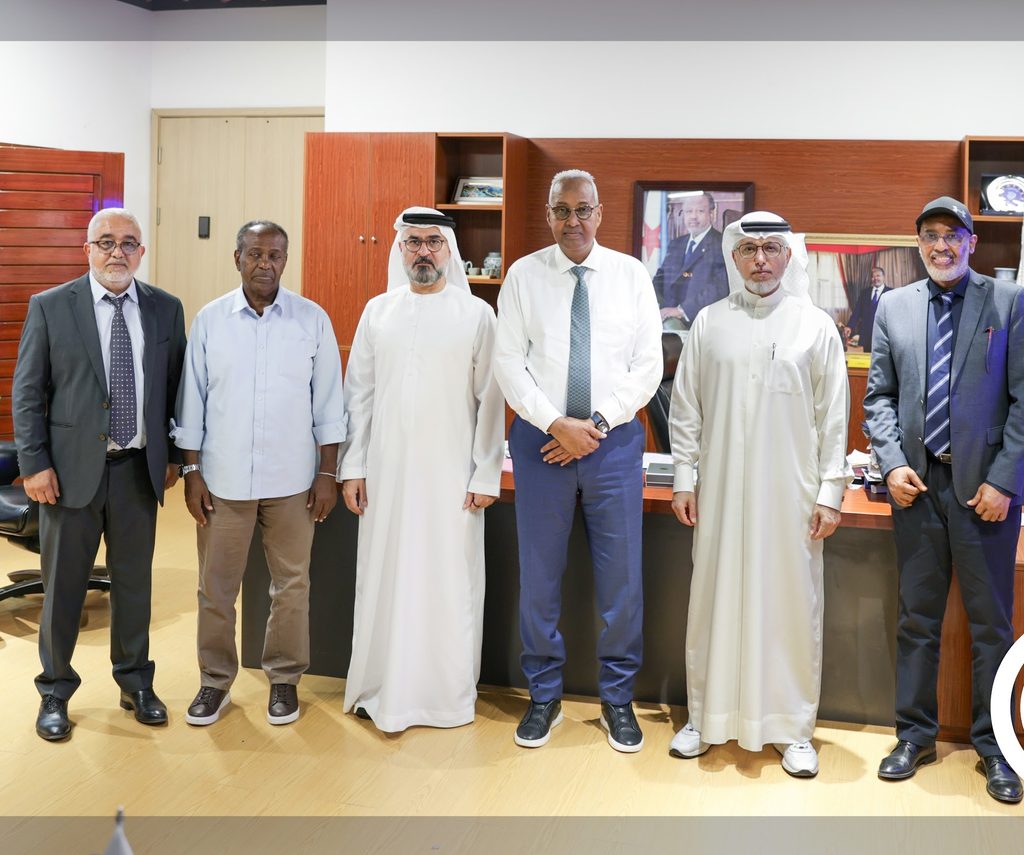
During the discussions, ENOC also expressed interest in developing oil storage tanks at Damerjog after its delegation visited the oil jetty there. The team reportedly described the facility as state-of-the-art infrastructure, comparing it favourably with oil jetties used by HTL in other parts of the world.
However, the delegation’s requests for additional storage capacity at Doraleh and investment in expanding its oil jetty underscore the continued strategic importance of the existing terminal, even as Damerjog emerges as another major destination for petroleum infrastructure investment.
The latest development follows ETBusinessView’s previous reporting on Djibouti’s efforts to expand the Doraleh oil terminal in collaboration with the UAE-based Horizon group.
In its report, Djibouti Turns to Horizon Terminal Expansion as Ethiopia’s Interest in Damerjog Port Project Declines, ETBusinessView highlighted Djibouti’s renewed focus on strengthening the existing terminal as uncertainty surrounded Ethiopia’s potential investment in the long-delayed Damerjog Liquid Bulk Port project.
The latest ENOC request signals continued interest in expanding Doraleh’s capacity and improving its ability to serve regional petroleum markets, according to the sector experts.
The delegation also discussed the capital expenditure required to connect the Ethio-Djibouti Railway to Horizon’s oil terminal at Doraleh, link the railway to Ethiopia’s oil depot in Awash, and improve rail connections to other petroleum storage facilities in Ethiopia.
Experts told ETBusinessView that such connections could strengthen the integration of port infrastructure, oil storage facilities and railway transportation, providing an alternative to the road-based movement of petroleum products into landlocked Ethiopia.
The discussions also come against the backdrop of a major investment initiative at Damerjog involving Nigeria’s Dangote Group and Ethiopian Investment Holdings (EIH).
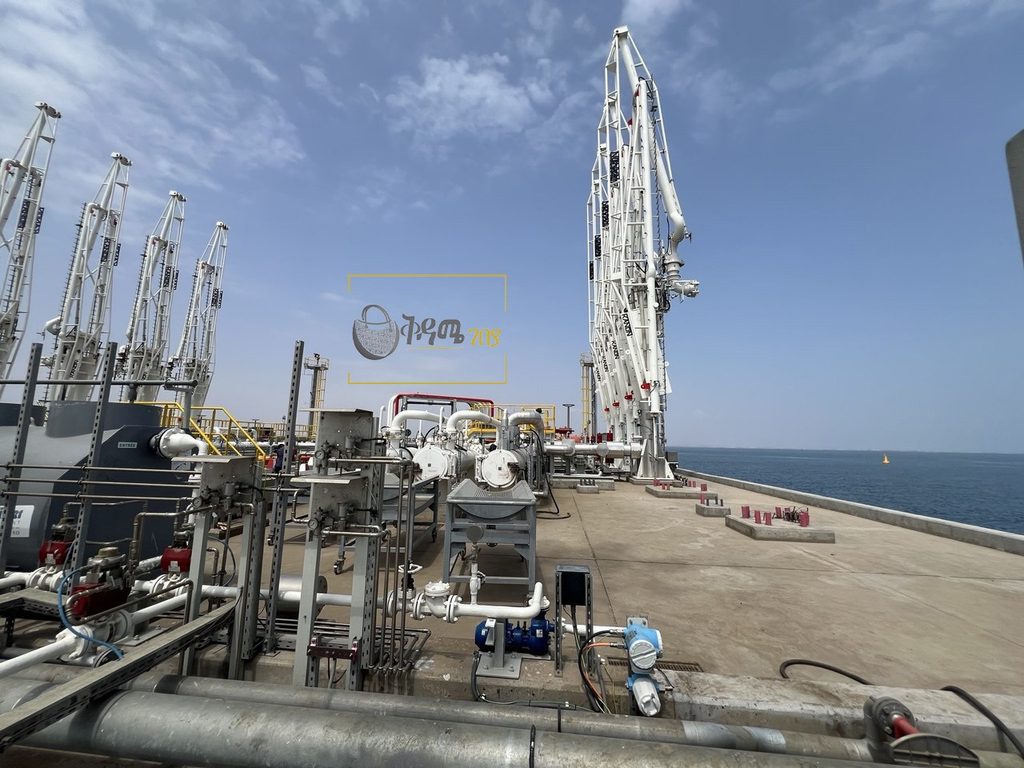
As previously reported by ETBusinessView, Dangote is investing in a petroleum storage terminal at Damerjog with a planned capacity of 375,000 cubic metres and an annual handling capacity of up to five million tonnes of petroleum products.
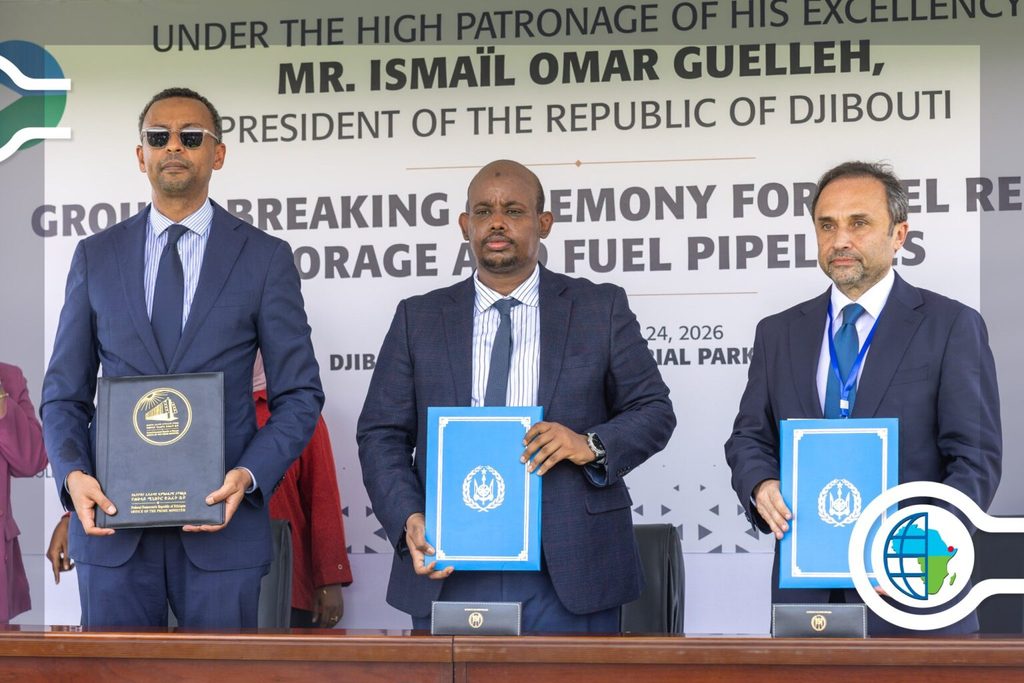
The project forms part of a broader Ethiopia-Djibouti petroleum infrastructure initiative that includes a planned 120-kilometre multiproduct pipeline linking Damerjog to Dewele in Ethiopia, alongside substantial storage facilities at both ends of the corridor.
Experts said that the emerging investment landscape presents Djibouti with opportunities to strengthen its position as a regional petroleum storage and distribution hub. At the same time, the parallel developments at Doraleh and Damerjog raise questions about how the country’s existing and new infrastructure will be coordinated to meet growing demand efficiently.
They added that ENOC’s latest request for expanded storage at Doraleh, coupled with its interest in Damerjog, suggests that established terminal operators are considering opportunities across both locations.
“Whether the proposed Doraleh expansion and jetty investment will proceed, and how the railway connections to Ethiopia’s storage facilities will be financed, remain key questions as Djibouti and its regional partners seek to reshape petroleum logistics across the Horn of Africa,” experts said. SECO