A severe El Niño event could cost the global economy as much as US$11 trillion in lost income over the next five to six years, with small-scale farmers and rural economies facing some of the greatest risks, according to a new report by the International Fund for Agricultural Development (IFAD).
Released on November 9 at COP31, the report, Food Systems Under Stress: Building Resilience from the First Mile, warns that climate-related disasters, rising energy and fertilizer prices, and disruptions to food supply chains are increasingly combining to threaten global food security.
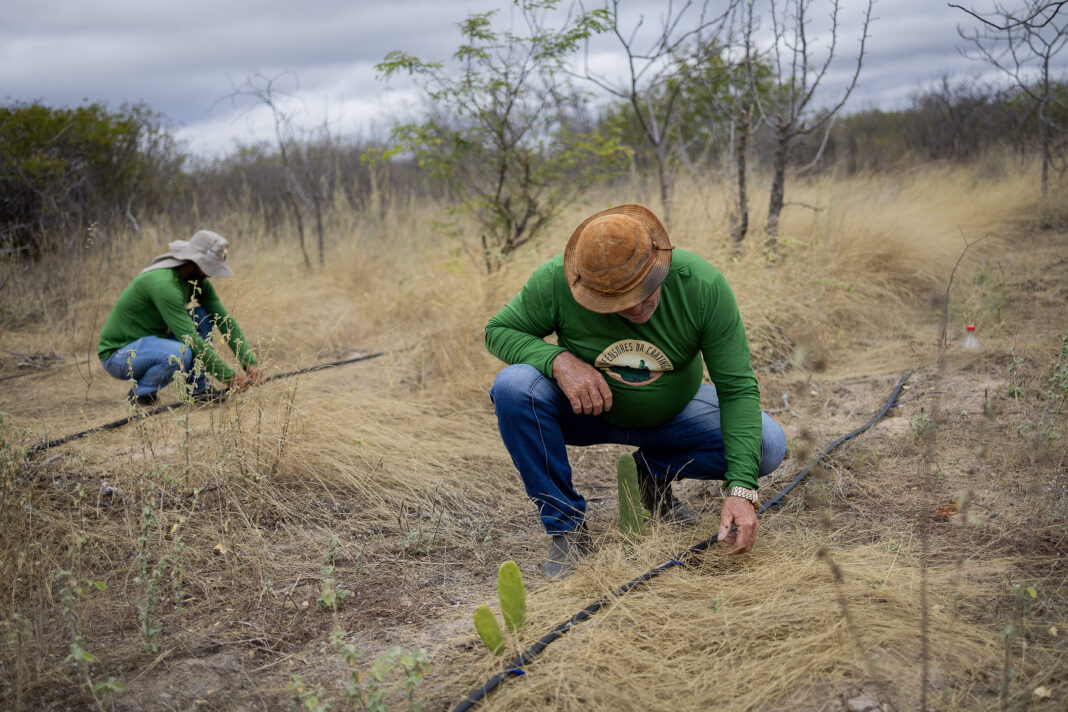
The report highlights the vulnerability of small-scale farmers, who produce about one-third of the world’s food, arguing that isolated interventions are insufficient to protect rural livelihoods against overlapping shocks.
IFAD modelling shows that combining access to agricultural inputs, markets and financial services can reduce farmers’ income losses from simultaneous drought and price shocks by 18.7 percent, nearly twice the 9.8 percent reduction achieved through finance-focused interventions alone.
The report cites successful programmes in Kenya, Bangladesh and Türkiye, where integrated investments in agricultural technologies, irrigation, insurance, credit and market access have helped raise rural incomes and strengthen farmers’ resilience.SECO