By EBV staff writer
Ethiopian nationals constituted the vast majority of undocumented migrants apprehended in Kenya over a recent one-year period, according to data from a government report, underscoring Kenya’s pivotal and challenging role as a regional hub.
Citing Kenya’s Annual Report on the State of National Security, covering September 2024 to August 2025, The Kenyan media reports that authorities arrested 953 illegal immigrants, a 36.4% decrease from the previous period. Ethiopians accounted for 70.3% of the total, or 670 individuals.
The data, tabled in Parliament by President William Ruto, indicates that after Ethiopians, the most arrests were of Somalis (90), Eritreans (74), and Burundians (69). Arrests of nationals from several other African nations either saw modest changes or fell to zero.
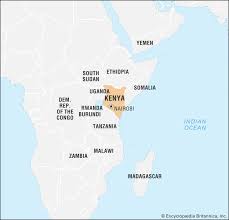
President Ruto, in the report, framed the situation within Kenya’s regional context. He noted the country’s “relatively advanced socio-economic conditions” attract those seeking opportunity, while its position makes it a “transit hub” for migrants from East and Central Africa, the Great Lakes region, and the Horn of Africa.
The report, as highlighted by The East African, directly links migration from Ethiopia to complex security challenges, citing “cross-border risks such as arms and drug trafficking, illegal immigration and infiltration by militant groups, notably the Oromo Liberation Army (OLA).”
In response, Kenya is leveraging regional diplomacy alongside enforcement. President Ruto pointed to the “Special Status Agreement with Ethiopia” as a key tool, enabling joint border operations targeting the OLA, which he termed “successful in curbing insurgent activities.”
Beyond conflict, the report identifies porous borders, resource conflicts, and criminal activities like banditry as persistent drivers of illegal migration. It further notes Kenya’s continued vulnerability as a source, transit point, and destination for human trafficking and smuggling networks, which exploited citizens from across the continent during the period.
The statistics and analysis, detailed by the report, paint a picture of Kenya grappling with the dual pressures of its geographic destiny—as a land of relative opportunity and a critical crossroads—amst the instability and economic disparities of its region.