
By EBV staff writer
Ethiopia has taken a major step toward diversifying its fuel supply chain, importing petroleum products from Africa for the first time in decades as ongoing disruptions in traditional shipping routes force a rethink of the country’s energy procurement strategy.
State-owned Ethiopian Shipping and Logistics (ESL) confirmed it recently completed the import of 120,000 metric tons of jet fuel and diesel from Nigeria’s Dangote Petroleum Refinery, marking a historic shift in Ethiopia’s fuel sourcing approach. The shipment represents the country’s first large-scale fuel import from an African supplier since oil imports from Sudan ceased years ago.
The move comes as instability in the Strait of Hormuz, one of the world’s most critical oil transit corridors, threatens global energy supply chains and drives up costs for import-dependent nations such as Ethiopia.
The government estimates oil imports will cost approximately USD 3.7 billion during the current fiscal year,
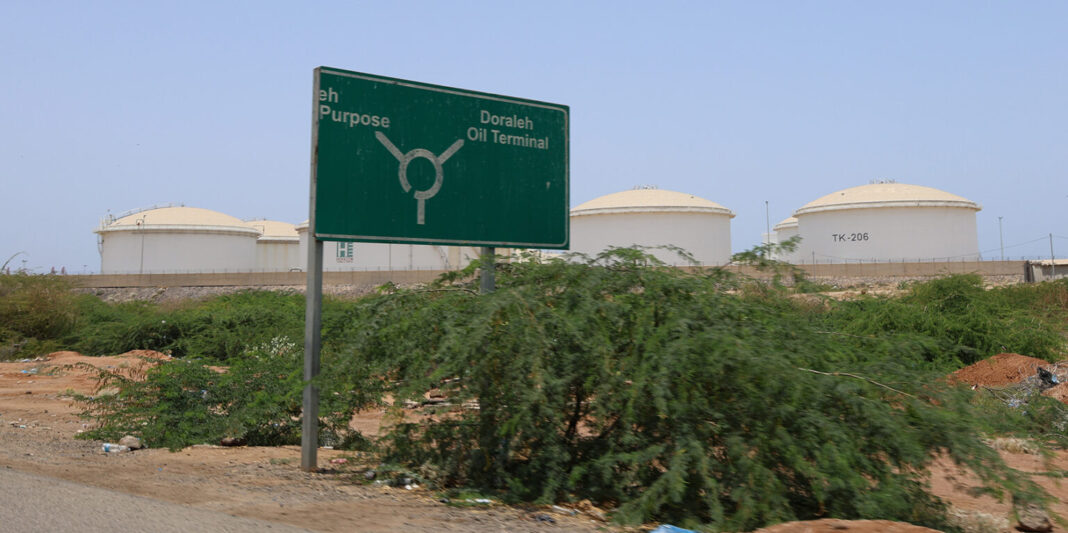
According to ESL officials, three chartered vessels transported 80,000 metric tons of aviation fuel and 40,000 metric tons of diesel from the Dangote Terminal in Lekki, Nigeria, to Djibouti’s Horizon Oil Terminal, Ethiopia’s primary fuel gateway.
The operation also marks the return of ESL to direct petroleum import activities after nearly four decades. Since the mid-1980s, fuel imports had largely been handled through arrangements managed by the Ethiopian Petroleum Supply Enterprise (EPSE), which until recently held a monopoly over the sector.
“We are demonstrating that Ethiopian Shipping and Logistics has the capability to manage strategic fuel imports,” said company officials, noting that perceptions about the institution’s limited capacity had prevented it from participating in the sector for years.
The Nigerian shipment is part of a broader government effort to diversify fuel suppliers beyond traditional Middle Eastern sources. Ethiopia has increasingly explored procurement opportunities in West Asia and western India as geopolitical tensions and maritime disruptions create uncertainty in established supply routes.
The country’s growing demand for aviation fuel has further heightened the urgency. As the home of Ethiopian Airlines and Bole International Airport, one of Africa’s busiest aviation hubs, Ethiopia requires a steady supply of jet fuel to support expanding passenger and cargo operations.
Industry experts say aviation fuel presents unique logistical challenges because Ethiopia lacks sufficient storage capacity compared to diesel and gasoline reserves, making uninterrupted supply especially important.
The shift in sourcing comes at a time when Ethiopia’s fuel import bill is climbing rapidly. The government estimates oil imports will cost approximately USD 3.7 billion during the current fiscal year, accounting for a significant share of the country’s total import expenditure.
Finance Minister Ahmed Shide recently warned lawmakers that fuel import costs could rise to as much as USD 6 billion next fiscal year if global oil prices continue to increase amid regional conflicts affecting major energy corridors.
To strengthen fuel supply security, the government has proposed a capital injection of 116.4 billion birr for EPSE in the upcoming fiscal year, while simultaneously opening the sector to greater private-sector participation.
Recent reforms by the National Bank of Ethiopia now allow foreign investors, diplomatic missions, and international organizations operating in the country to import fuel using their own foreign currency resources. Authorities say the measure is intended to reduce pressure on Ethiopia’s foreign exchange reserves and gradually phase out broad fuel subsidies.
The latest developments form part of the government’s wider macroeconomic reform agenda, which seeks to transform the petroleum sector from a subsidy-dependent system into a revenue-generating industry through targeted support programs, tax reforms, and increased market competition.
As global energy markets remain volatile, Ethiopia’s decision to tap African refining capacity signals a growing effort to enhance energy security while reducing dependence on traditional supply routes vulnerable to geopolitical shocks.
reported by Muluken Yewondwossen (mulutest@gmail.com)


