Ethiopia is set to end its decades-long practice of exporting raw gold to Dubai for refining, as the country’s first domestic gold refinery is expected to begin operations within the next month, marking a significant milestone in the modernization of its gold value chain.
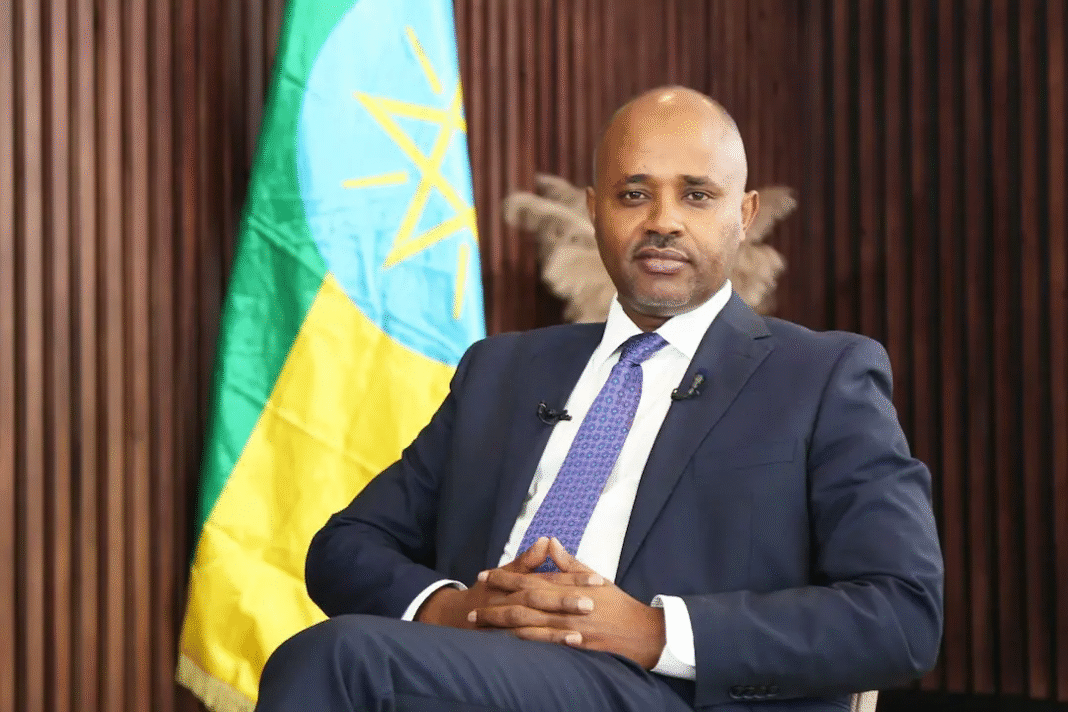
Once the refinery becomes operational, all gold produced in Ethiopia will be refined domestically before export, according to National Bank of Ethiopia (NBE) Governor Eyob Tekalign (PhD).
The shift is expected to transform Ethiopia’s gold trade by replacing exports of unrefined gold with refined bullion, allowing the country to retain greater value from its largest source of export earnings and foreign exchange.
Speaking during a briefing on the National Bank’s latest Monetary Policy Committee decisions, Governor Eyob said the refinery would have the capacity to process the country’s entire gold production, eliminating the need to send raw gold abroad for refining.
The refinery’s commissioning follows the central bank’s investment in advanced gold assaying technology capable of accurately determining gold purity and separating precious metals from impurities. Officials say the new technology will strengthen quality assurance and support internationally recognized refining standards.
Central Bank Vice Governor and Chief Economist Fekadu Degafe said refining gold domestically would reduce transportation and overseas storage costs while enabling Ethiopia to store export-grade gold in its own vaults and sell it when market conditions are favorable.

The launch forms part of broader reforms aimed at restructuring Ethiopia’s gold sector.
Beginning with the upcoming Ethiopian New Year, the National Bank will also discontinue the additional premium payments of five to 15 percent currently offered to traditional gold suppliers.
According to the International Monetary Fund’s Fifth Review under Ethiopia’s economic reform program, the premium scheme was introduced to encourage artisanal miners to sell gold through formal channels and reduce widespread smuggling by offering prices above international market levels.
However, with official gold deliveries increasing sharply following Ethiopia’s macroeconomic reforms and the liberalization of the foreign exchange regime, the central bank now considers the incentive no longer necessary.
Gold has become Ethiopia’s largest export commodity. During the fiscal year that ended this month, the country generated approximately USD 5.5 billion from gold exports, accounting for roughly half of the USD 11 billion earned from total merchandise exports.
The government is also preparing another major policy change by gradually withdrawing the National Bank from direct gold trading. Under the planned reform, commercial banks will assume responsibility for purchasing and trading gold, while the central bank will focus on regulation and oversight.
IMF said a comprehensive transition strategy detailing the implementation framework and timeline is expected to be released by December.SECO