-NBE also bans GBE board member
The crisis engulfing Global Bank Ethiopia (GBE) is taking a deeper turn as new whistleblower disclosures allege that a struggle over shareholder influence, troubled loans and management independence has been at the heart of the bank’s escalating leadership turmoil.
The allegations emerge as the National Bank of Ethiopia (NBE) continues regulatory action against the lender, following the suspension of 18 senior executives and the removal of former Chief Executive Officer Tesfaye Boru (PhD).
Information obtained by Et-Business View from whistleblowers and other sources points to a broader dispute involving some influential shareholders and members of the bank’s board, with allegations that certain shareholders sought additional financing or repayment extensions despite having outstanding credit obligations with the bank or through related parties.
The claims could not be independently verified in full. Et-Business View sought responses from individuals mentioned in connection with the allegations, including Captain Lidiya Tewodros, acting CEO nominee Sahlemichael Mekonnen and some influential shareholders, but was unable to obtain substantive responses.
The developments, however, raise questions that go beyond the leadership shake-up: how far can major shareholders influence the management of a bank, particularly when their own businesses or related parties have outstanding loans?
NBE action extends beyond former CEO

The regulatory intervention appears to have extended beyond the former CEO.
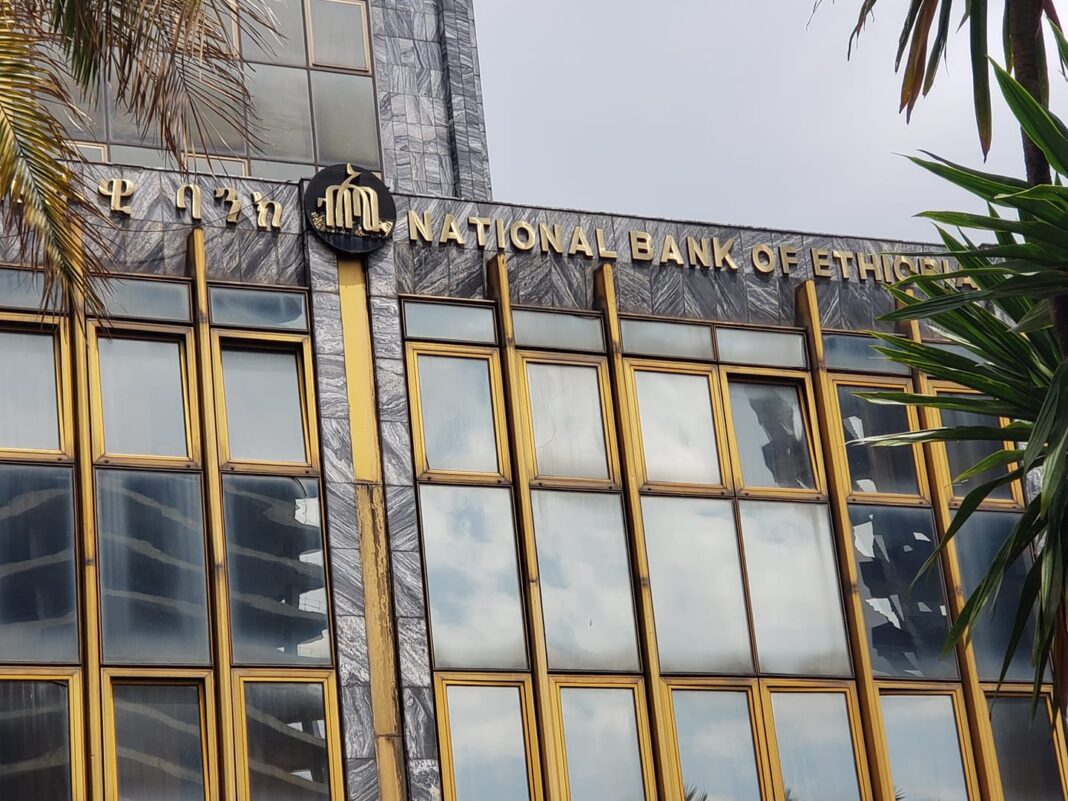
Whistleblowers told Et-Business View that the NBE barred Captain Lidiya Tewodros, one of GBE’s board members, from continuing in the position in a decision issued on July 29.
Et-Business View found that her name was subsequently removed from GBE’s website, where she had previously been listed among the bank’s board of directors.
Sources familiar with the matter alleged that the action was connected to unresolved credit obligations involving entities linked to her family. They further claimed that the regulator had opposed additional loan extensions to related entities.
Neither the NBE nor Captain Lidiya has publicly confirmed the allegations cited by the sources.
The development has nevertheless created another governance complication for GBE.
Under the NBE’s Bank Corporate Governance Directive No. SBB/91/2024, a bank’s board is required to have at least nine directors. With Captain Lidiya no longer listed, whistleblowers say GBE is currently short of the required number.

Sources also claimed that the board had previously fallen below the threshold after another director temporarily resigned, before returning to the board.
The battle over credit
At the centre of the whistleblower disclosures is the bank’s lending relationship with some of its influential shareholders and people connected to them.
Sources allege that certain shareholders had pushed the former management for fresh financing and extensions on existing credit facilities despite outstanding obligations.
The former management, according to the sources, resisted some of these requests.
That resistance allegedly became one of the major sources of friction between the management and sections of the shareholder base.
“They were demanding additional finance and repayment extensions even though they were already heavily indebted,” one source told Et-Business View.
The allegations, if substantiated, could raise serious questions about related-party lending, conflict of interest, credit concentration and the ability of bank management to make lending decisions independently of powerful shareholders.
The NBE has not publicly stated that its regulatory actions against GBE were triggered by these particular allegations.
Nearly 18 million birr share subscription under scrutiny
Another disclosure obtained by Et-Business View concerns how at least one influential shareholder financed a substantial purchase of GBE shares.
According to an assessment obtained by Et-Business View , a shareholder financed a subscription worth nearly 18 million birr through credit obtained from another bank.
The arrangement, according to sources, involved transferring funds originating from another bank’s credit facility to finance the acquisition of GBE shares.
The disclosure raises questions about the extent to which borrowed money was used to build substantial ownership positions in the bank and whether such financing could subsequently increase the shareholder’s influence over the institution.
EBV has also obtained documents that sources identified as credit histories involving defaulted facilities held by some influential shareholders, either directly or through close relatives.
The documents could not independently be authenticated in their entirety, and the precise status of each facility could not be established from the material available to Et-Business View.
Nevertheless, the allegations place non-performing credit and shareholder influence at the centre of the bank’s current crisis.
Was the management shake-up linked to the lending dispute?
Whistleblowers claim that the mass suspension of 18 executives was not simply an internal management decision but part of a wider confrontation between the former management and influential shareholders.
They allege that executives who resisted pressure for additional lending or repayment extensions eventually became caught up in the management shake-up.
“The previous management became a victim of this drama, although there were also decisions by management itself that require investigation,” a whistleblower said.
Some suspended officials have reportedly rejected the allegations against them, but Et-Business View‘s attempts to obtain detailed responses from several of them were unsuccessful.
Some suspended management members said they would rather wait for the NBE’s investigation to establish what actually happened.
One suspended member said the full picture would only emerge once the regulator completes its work.
“The issue is much deeper than it looks,” the source said.
Leadership vacuum widens
The bank’s leadership crisis has already created a difficult succession problem.
Following the suspension of senior executives, GBE appointed Sahlemichael Mekonnen, then Chief Corporate Banking Officer, as acting CEO and submitted his appointment to the NBE.
The regulator rejected the appointment under Article 5.3.1(b) of the Requirements for Persons with Significant Influence in a Bank Directive No. SBB/89/2024.
The directive requires a bank chief executive to have at least 12 years of banking and/or finance experience, including at least five years as a senior executive officer.
Sahlemichael has more than 21 years of banking experience and has held senior positions at GBE, Addis International Bank, Debub Global Bank and the Commercial Bank of Ethiopia.
But banking-sector sources told Et-Business View that the disagreement was not over his overall banking experience.
According to the sources, the issue concerns whether his previous managerial position satisfied the specific senior-executive experience required under the directive.
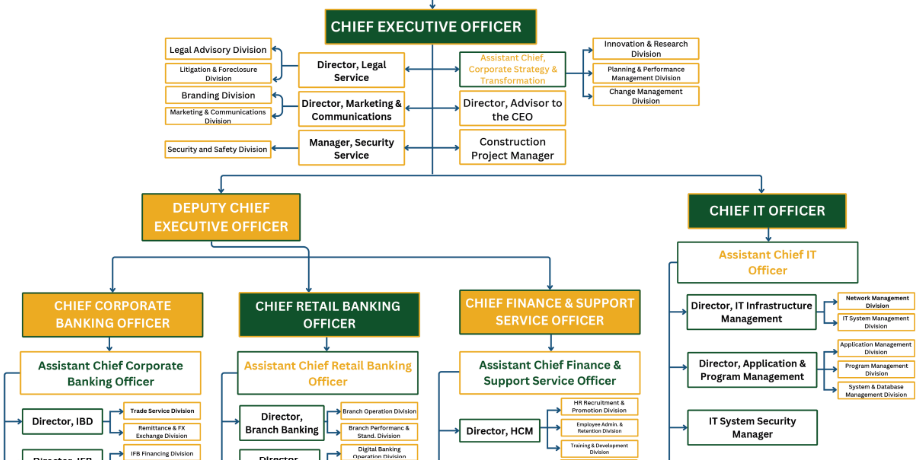
They pointed to GBE’s organizational structure, saying Sahlemichael had served as Chief Corporate Banking Officer under the deputy CEO rather than directly reporting to the CEO.
His rejection leaves GBE facing another challenge: rebuilding a leadership team that satisfies both the bank’s operational needs and the regulator’s requirements.
NBE’s wider findings
The leadership turmoil follows a special inspection by the NBE that identified deficiencies in several areas, including corporate governance, lending and credit administration, human resources, foreign-exchange operations and financial management.
The regulator has also barred former CEO Tesfaye from holding a board, CEO or senior executive position in any financial institution in Ethiopia for five years.
The regulatory action has therefore transformed what initially appeared to be an internal management dispute into a broader test of governance and regulatory oversight in Ethiopia’s banking sector.
Major shareholders summoned into the spotlight
Against this backdrop, GBE’s new management recently met major shareholders to discuss the bank’s operations, recent developments and future strategy.
Sources said a number of investors attended the meeting.
Experts in the sector said the meeting could prove significant as the bank attempts to stabilize itself while the regulator continues its scrutiny.
“For GBE, the immediate challenge is not only to replace suspended executives. It must also restore confidence in its governance, strengthen credit controls and demonstrate that lending decisions are being made on the basis of banking principles rather than shareholder influence,” they said by adding for the NBE, meanwhile, the case could become an important test of its increasingly assertive regulatory approach.
“The central bank is now facing questions over whether its intervention will ultimately expose isolated management failures or reveal a deeper problem involving ownership structures, related-party borrowing, board influence and the independence of bank management,” a former financial industry guru told Et-Business View.
The most consequential allegations remain unproven until the NBE’s investigation is completed, “But the disclosures from whistleblowers have pushed GBE’s crisis into a much wider arena—one where the real battle may not simply be over who runs the bank, but over who ultimately controls its credit decisions.”SECO