By Muluken Yewondwossen
Kenya has formally requested more electricity from Ethiopia beyond the already agreed plan to double its power imports to 400 MW during peak hours by December this year, EtBusinessView has learnt.
The new request comes as the two countries approach the end of their initial three-year electricity supply arrangement, under which Ethiopia has been exporting 200 MW during peak hours and 65 MW during off-peak periods. Under the existing agreement, the peak-hour supply is scheduled to rise to 400 MW, but Kenyan authorities have now tabled a further demand for additional electricity to meet growing domestic consumption.
“The Kenyan demand comes as the two countries prepare to raise the existing power supply to 400 MW.”
Moges Mekonnen, Head of Public Relations at Ethiopian Electric Power (EEP), confirmed to EtBusinessView that the latest request was formally transmitted through diplomatic channels and is now under evaluation by the Ethiopian side.
“As far as our knowledge [goes], their Foreign Ministry has submitted their government request to the Ethiopian counterpart,” Moges told EtBusinessView.
He said the request would require assessment of several factors before Ethiopia determines how much additional electricity it could provide.
The development signals growing demand for Ethiopian electricity in the regional market, even as the two countries are yet to fully implement the previously agreed increase in supply.
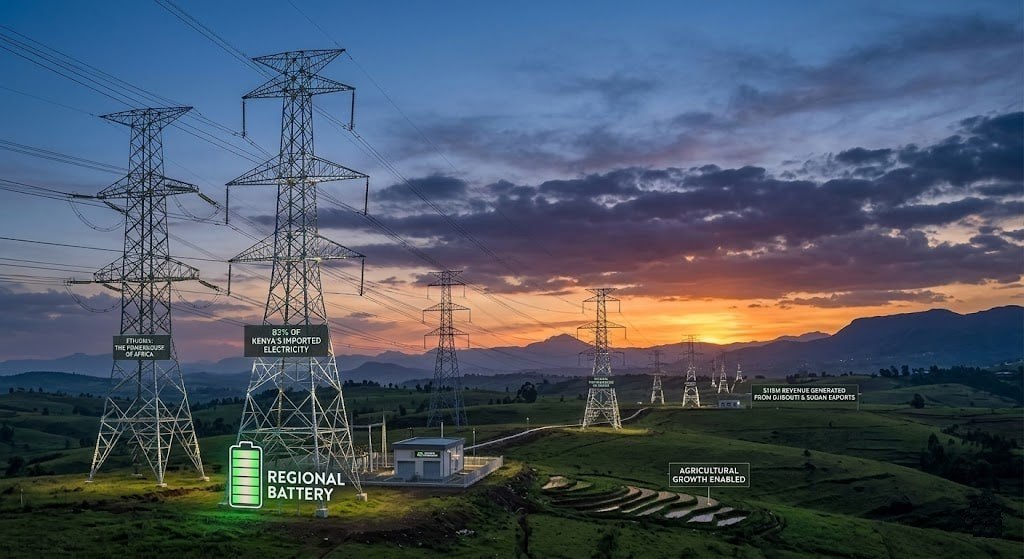
Kenya has been importing electricity from both Ethiopia and Uganda, but Ethiopian power has become particularly important to the country’s electricity supply system because of the cross-border transmission infrastructure connecting the two countries.
“Their Foreign Ministry has submitted their government request to the Ethiopian counterpart.” — Moges Mekonnen, EEP
According to Moges, the Kenyan side has expressed a preference for additional electricity from Ethiopia because of the reliability of the interconnected grid and the technical capacity of the transmission system.
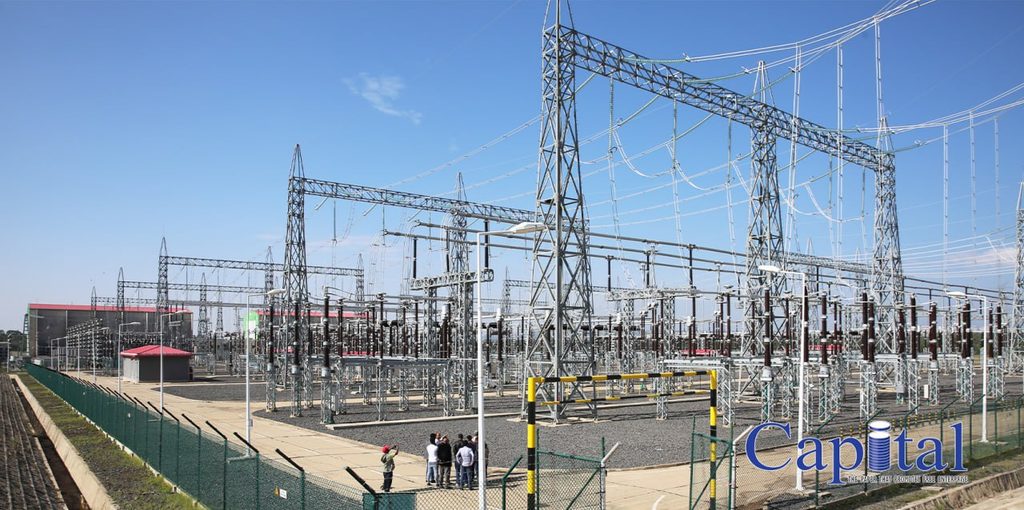
The 1,045-kilometre Ethiopia–Kenya High Voltage Direct Current (HVDC) interconnector links Wolayta-Sodo in Ethiopia with Suswa in Kenya. The system can transmit up to 2,000 MW, providing the infrastructure needed to accommodate substantially larger electricity flows between the two countries.
The HVDC system also allows electricity generated in Ethiopia to be transmitted efficiently to Kenya, where it is converted and integrated into the national grid at the Suswa converter station.
Cost is another factor behind Kenya’s interest in expanding imports from Ethiopia. Ethiopian electricity is largely generated from renewable hydropower, allowing Kenya to access power at competitive prices compared with some domestic generation sources.
A World Bank analysis published in 2024 indicated that Kenya saved about USD 10 million in a single year through electricity supplies from Ethiopia.
Kenya began receiving Ethiopian electricity in late 2022 through the Eastern Electricity Highway, with the initial commercial arrangement providing for 200 MW during peak periods.
The two countries subsequently entered into a 25-year power purchase arrangement, which has created a long-term framework for electricity trade and is expected to generate significant export revenues for Ethiopia.

The emerging demand from Kenya is also taking place as Ethiopia expands its role as a regional electricity supplier.
Ethiopia currently exports electricity to Sudan, Djibouti and Kenya, while Tanzania is also receiving Ethiopian power through the Kenyan transmission network. Additional studies are being undertaken to expand electricity trade with other countries in the region.
The Ethiopia–Kenya interconnection is therefore increasingly being positioned as more than a bilateral power link, with the infrastructure providing a platform for the wider integration of East Africa’s electricity markets.
For Ethiopia, the growing regional demand is also translating into export earnings. During the 2025/26 budget year, which ended in July 2026, EEP earned 15.6 billion birr from electricity exports to Kenya and 5.5 billion birr from exports to Djibouti, underscoring the rising economic importance of electricity exports.
The latest Kenyan request could now open discussions over electricity supplies above the 400 MW peak-hour level already agreed for December, subject to Ethiopia’s available generation capacity, grid requirements and the outcome of the ongoing assessment.SECO