Ethiopia has inaugurated its first national precious metals refinery, a major development expected to end the country’s longstanding practice of sending unrefined gold to Dubai for processing and enable it to retain more value from its rapidly growing gold exports.
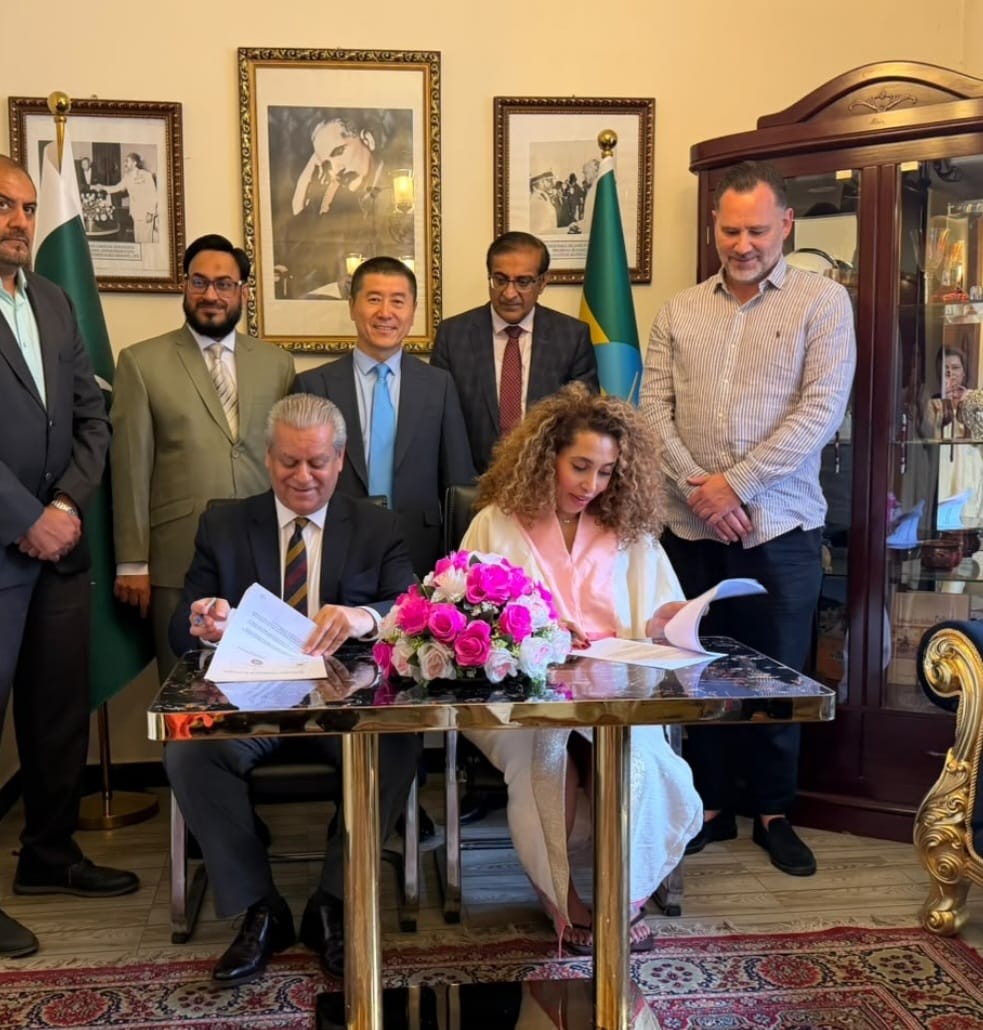
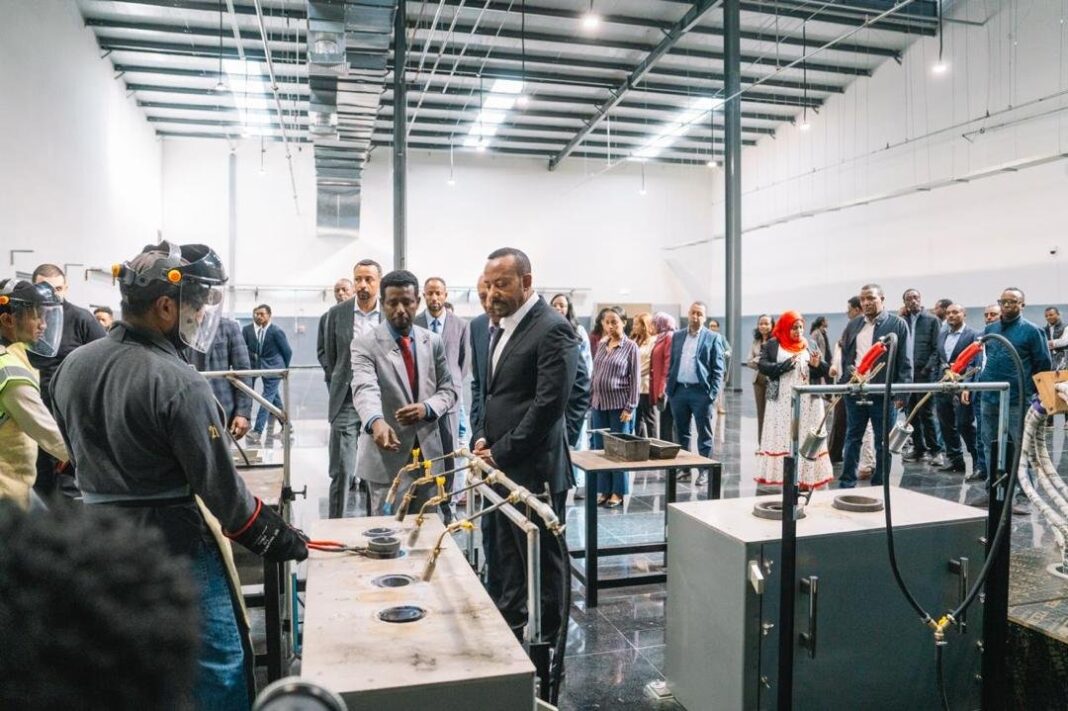
Prime Minister Abiy Ahmed announced the inauguration of the National Precious Metals Refinery at the Bole Lemi Special Economic Zone in Addis Ababa. The facility was established through a joint investment between state-owned Ethiopian Investment Holdings (EIH) and Dubai-based SAM Precious Metals.
The investment is valued at USD 50 million, with EIH taking the 51% stake.
“With a capacity to process over 600 tonnes of precious metals annually, the refinery marks a major milestone in advancing domestic value addition, strengthening Ethiopia’s mining sector, and positioning our country as a regional hub for precious-metals refining,” Abiy said in an official announcement.
He added that the initiative reflects the government’s commitment to linking Ethiopia’s natural resources with domestic industrial capacity to boost export earnings, create skilled jobs, support the jewellery industry and establish a more transparent and competitive gold value chain.

“From resource extraction to industrial transformation, we are creating greater value at home,” the prime minister said.
For decades, Ethiopia has relied on overseas facilities, particularly in Dubai, to refine its gold before it enters international markets. The launch of the domestic refinery is expected to mark a significant shift in this arrangement, allowing the country to process its gold locally before export.
National Bank of Ethiopia (NBE) Governor Eyob Tekalign (PhD) recently said that once the refinery becomes operational, all gold produced in Ethiopia would be refined domestically before being exported.
According to the governor, the facility has sufficient capacity to process the country’s entire gold production, eliminating the need to send unrefined gold abroad for processing.
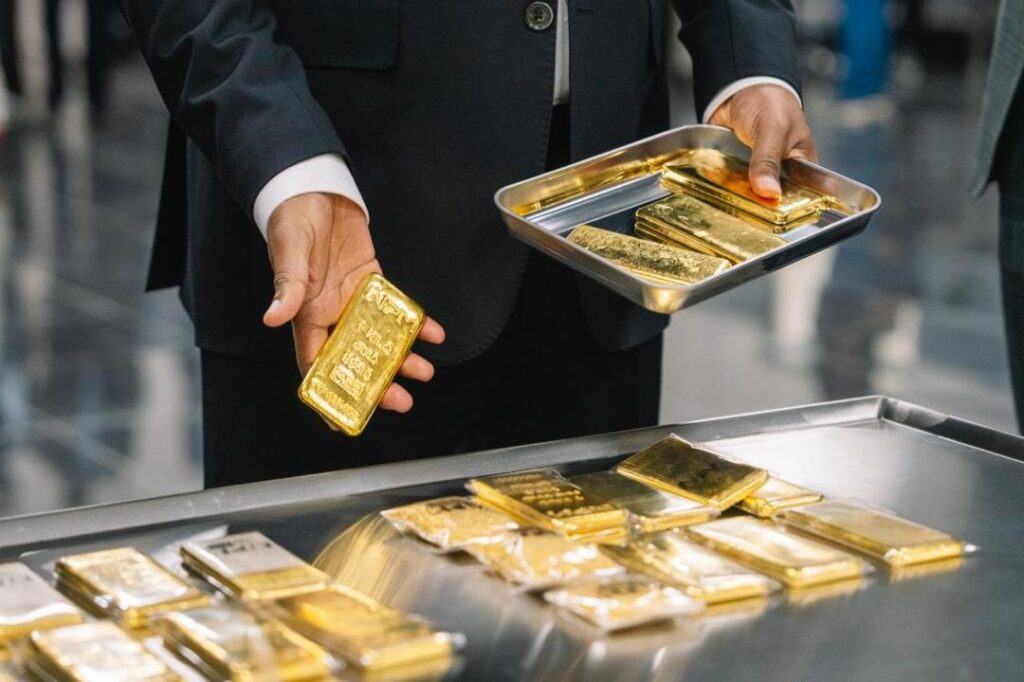
The shift is expected to strengthen Ethiopia’s position in the international gold market by enabling it to export refined bullion rather than raw gold, potentially increasing the value retained within the domestic economy.
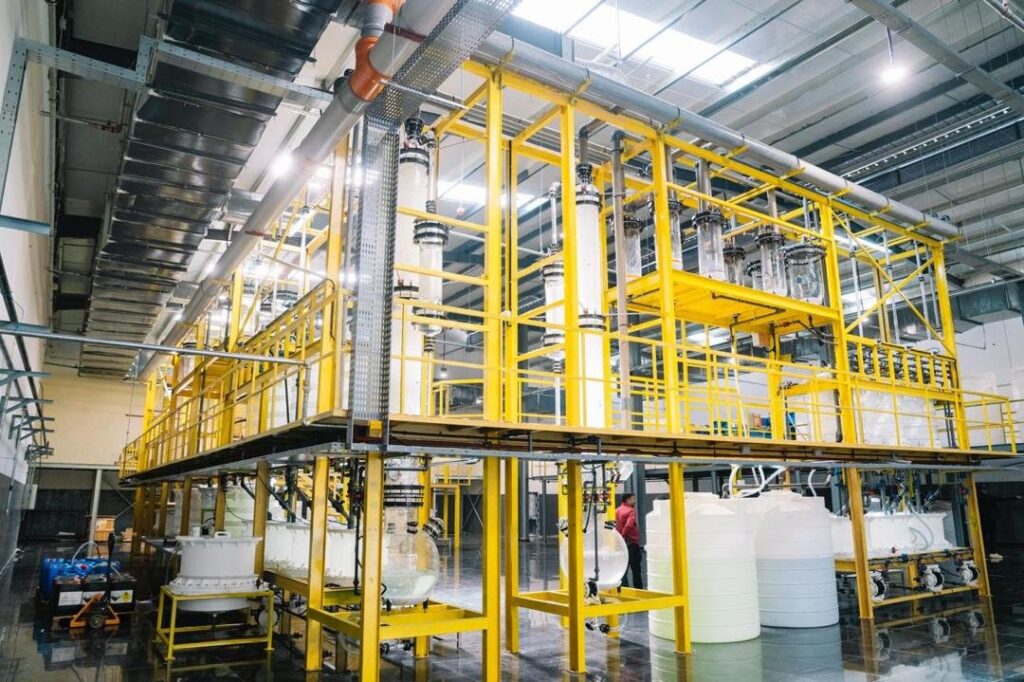
The refinery’s commissioning follows the central bank’s investment in advanced gold-assaying technology designed to accurately determine gold purity and separate precious metals from impurities. Officials say the technology will strengthen quality assurance and help Ethiopia meet internationally recognized refining standards.
Central Bank Vice Governor and Chief Economist Fekadu Degafe has also highlighted the financial and logistical benefits of domestic refining. Processing gold locally would reduce transportation and overseas storage costs while allowing Ethiopia to store export-grade gold in domestic vaults and sell it when market conditions are more favourable.
Gold has emerged as Ethiopia’s largest export commodity and a major source of foreign exchange. During the fiscal year that ended in June 2026, the country generated approximately $5.6 billion from gold exports, accounting for roughly half of its total merchandise export earnings of $11 billion.
The figures underscore the strategic importance of the new refinery as Ethiopia seeks to capture more value from its mineral resources, improve export revenues and strengthen its foreign exchange position.
SAM Precious Metals, headquartered in Dubai, United Arab Emirates, operates in the precious metals refining industry and has a branch in Cairo, Egypt. Its partnership with Ethiopian Investment Holdings brings international refining expertise into Ethiopia’s efforts to develop domestic mineral processing capacity.
The inauguration represents a significant step in Ethiopia’s broader ambition to move beyond exporting raw commodities towards domestic processing and higher-value industrial production. If the refinery operates at its intended capacity and all domestically produced gold is processed locally, Ethiopia could substantially reshape its gold export value chain.SECO