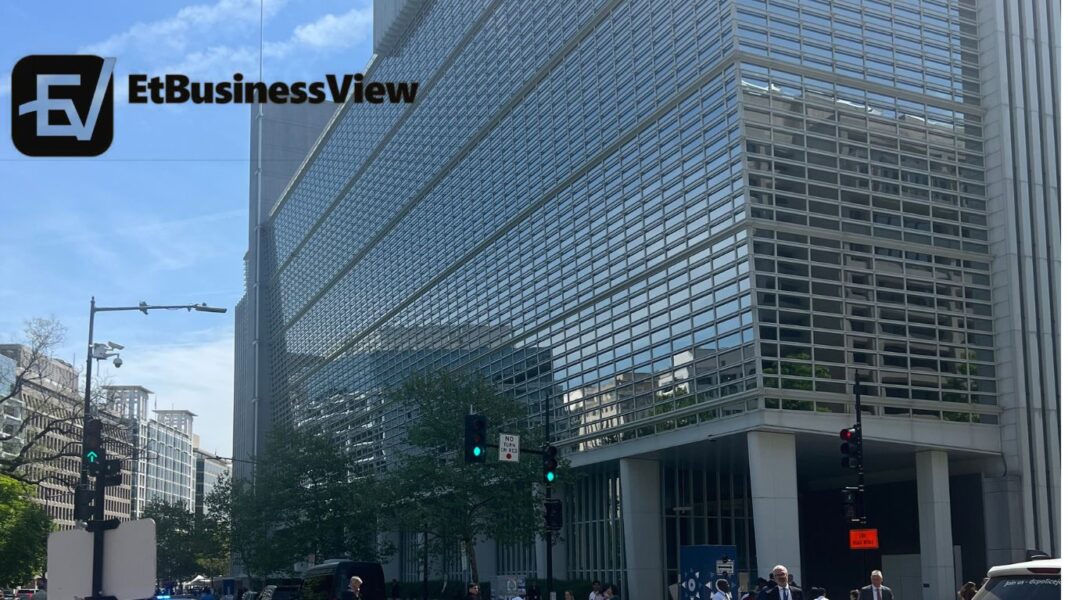
The World Bank is preparing a major water supply, sanitation and hygiene investment programme for Ethiopia, with an initial financing package of US$310 million and the possibility of attracting an additional US$200 million from development partners.
Dubbed the Ethiopia Sustainable WASH Access Program (ESWAP), the programme aims to expand access to basic water supply, sanitation and hygiene services in rural and urban areas while strengthening institutional capacity for sustainable and climate-resilient service delivery.
According to the World Bank’s Initial Environmental and Social Review Summary, the proposed financing comprises US$250 million from the International Development Association (IDA) and US$60 million from the Ethiopian government. The Bank anticipates that development partners could contribute approximately another US$200 million, although the additional financing remains subject to confirmation.
The programme has an estimated World Bank Board approval date of January 29, 2027, following a technical review scheduled for November 2, 2026. The project is classified under the Bank’s fiscal year 2027 programme.
The proposed initiative will be implemented through a hybrid financing arrangement combining Program-for-Results (PforR) financing and Investment Project Financing (IPF), building on Ethiopia’s existing One WASH National Programme Consolidated WASH Account platform.
The programme is structured around three major results areas.
The first will focus on sector policy, regulatory reforms, institutional development and improvements in WASH data management systems to strengthen the delivery and sustainability of water and sanitation services.
The second will support the expansion of sustainable and climate-resilient water, sanitation and hygiene services in rural and urban communities. It will also support the sustainability of rural water supply systems and improve WASH facilities in schools and health institutions.
The third component will target operational efficiency, including the expansion of sanitation services through urban water supply and sewerage utilities in Addis Ababa and secondary cities.
Beyond infrastructure investment, the IPF component will finance programme management, an independent verification agent, support for the Water Development Fund and the Ethiopia Water Technology Institute, as well as a national sanitation and behaviour-change campaign.
The programme will be jointly implemented by the Ministry of Water and Energy, Ministry of Health and Ministry of Education, with the Ministry of Finance serving as the borrower.
The investment comes amid substantial water and sanitation challenges identified by the World Bank. The Bank estimates that approximately 60 million people in Ethiopia lack access to basic water supply, while 112 million lack access to improved sanitation. Another 22 million people continue to practise open defecation, according to the document’s 2025 figures.
The World Bank has classified the programme’s overall environmental and social risks as Substantial, citing potential challenges involving land acquisition, loss of livelihoods, groundwater depletion, water contamination, biodiversity impacts and community health and safety.
The Bank also highlighted the need to strengthen the environmental and social risk-management capacity of implementing institutions, including the recruitment of specialists at federal and regional levels.
The programme is aligned with Ethiopia’s One WASH National Programme Phase III, covering 2025–2030, and the government’s broader development agenda.
The World Bank’s review summary, dated May 13, 2026, is an initial environmental and social assessment document.SECO