Africa’s 44% debt held by private creditors remains major roadblock
By EBV staff reporter
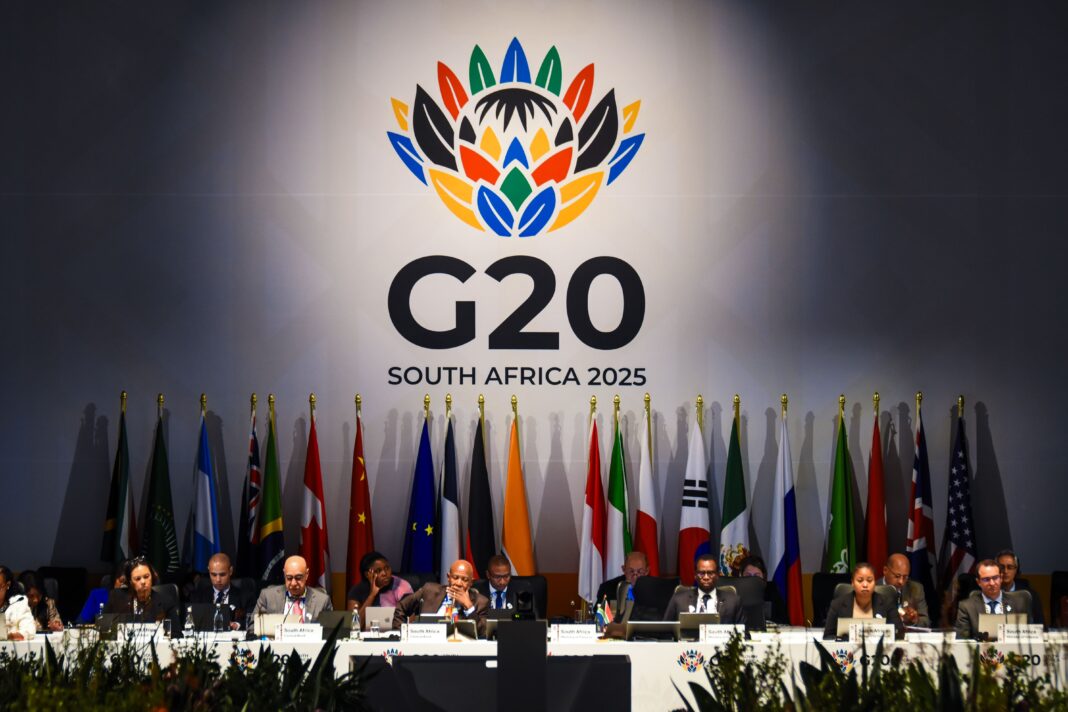
The first G20 summit held on African soil concluded without substantive commitments to address the continent’s deepening debt crisis, according to a leading economic justice network. The African Forum and Network on Debt and Development (AFRODAD) has sharply criticized the outcome, stating the meeting in Johannesburg “prioritized diplomacy over Africa’s debt and development crisis.”
In a statement issued following the November summit, AFRODAD argued that despite the historic nature of the event, the resulting G20 Leaders’ Declaration offered barely any meaningful positive change. The declaration, they contend, significantly watered down the debt emergency facing many nations.
“The declaration is fundamentally promoting a framing of the debt problem as a technical insolvency and liquidity crisis, a recipe that pushes countries down the path of recurrent debt cycles,” AFRODAD stated. The group found that the summit “missed a critical opportunity to offer ambitious debt restructuring mechanisms.”
This failure comes amidst a dire financial landscape. According to UNCTAD data cited by AFRODAD, approximately 44% of Africa’s external debt is held by private creditors. This composition has made timely and orderly debt restructuring exceptionally difficult. The G20’s own Common Framework for debt treatment, designed to help low-income countries, has been widely criticized for its ineffectiveness.
“Instead, the process has consistently prioritised private sector profits, while shifting losses onto already weakened governments,” AFRODAD said, pointing to stalled restructurings in countries like Zambia and Ethiopia.
A key disappointment highlighted was the declaration’s omission of language supporting a unified African position. African leaders, through the Common African Position (CAP) on debt outlined in the Lome Declaration, had called for a permanent, rules-based multilateral debt workout mechanism under the United Nations. The G20 text did not commit to this, nor to related commitments from the Fourth International Conference on Financing for Development.
“South Africa’s G20 Presidency and the Leaders’ declaration water down this attempt by African governments to be willful actors in reforming the global financial architecture to their benefit,” said Riska Koopman, International Public and Private Finance Officer at AFRODAD.
The advocacy group argues that by merely calling for a “strengthening” of the flawed Common Framework, the G20 preserved a status quo that fails to address the structural drivers of Africa’s indebtedness.
The summit’s underwhelming outcome on debt is further complicated by geopolitical tensions. The United States, which did not participate in this year’s meeting, has reportedly uninvited South Africa from a major 2026 summit, reflecting strained relations. AFRODAD warns that the exit of major powers from multilateral processes threatens progress on global financial reform.
In response, AFRODAD reaffirmed its call to move critical economic decision-making to more democratic spaces like the United Nations. The organization continues to advocate for a legally binding United Nations Framework Convention on Sovereign Debt, arguing that only such a fair and equitable mechanism can provide the urgent solutions needed to resolve Africa’s persistent debt crises. ©SECO