Rahel Yohannes, one of Ethiopia’s most beloved and enduring traditional singers, has passed away. The news of her passing has stirred deep sadness among those who grew up with her music and remember her as one of the defining voices of Ethiopian traditional song.
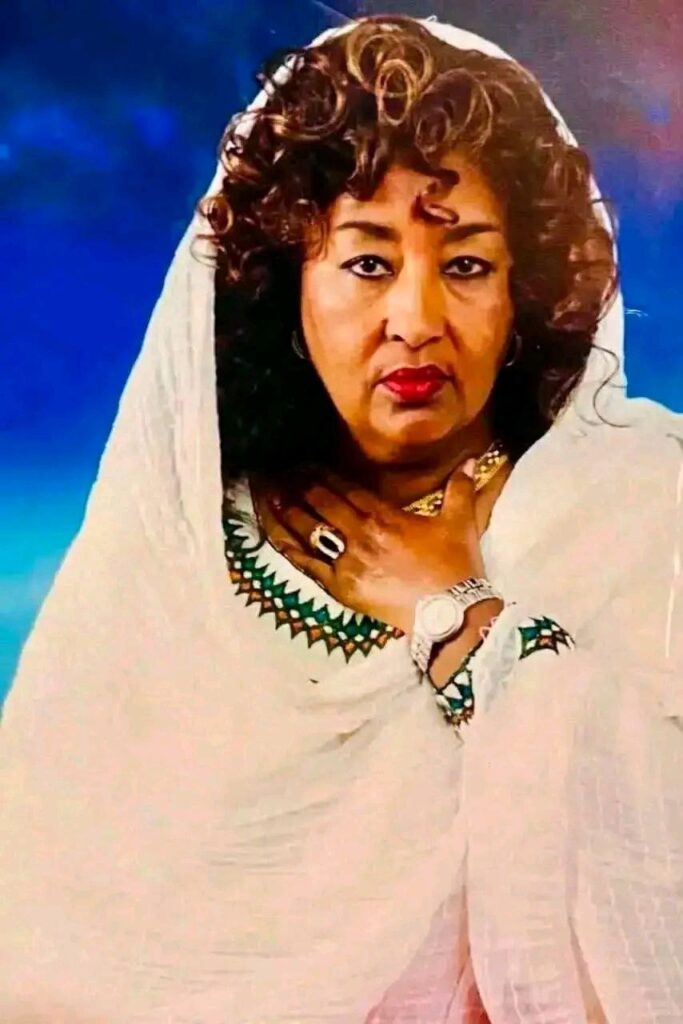
Her entrance into music was as unscripted as the talent itself. Working as the manager of an Ethiopian restaurant, Rahel had a habit of singing a cappella for her customers — informal, unhurried performances that her patrons began to anticipate and cherish.
One evening, a customer who had heard her sing brought the late Ketema Mekonnen, the celebrated traditional singer and instrumentalist, to the restaurant. He asked Rahel to join him in a song. She sang Tizita— the hauntingly beautiful Ethiopian ballad of longing and memory — and nothing was ever the same again.
That chance encounter launched a professional career spanning more than two decades and nine albums. But to describe Rahel Yohannes through numbers and recordings is to miss what made her singular.
She was, above all, a guardian of traditional Ethiopian music — a singer who used her voice not merely to entertain, but to carry and preserve a cultural inheritance that might otherwise have faded.
Her connection to the musicians of Berketa gave her sound its roots, and her stage presence — commanding, generous, deeply felt — gave it its power. She did not perform behind the music. She stood in front of it, took it into herself, and gave it back to audiences transformed.
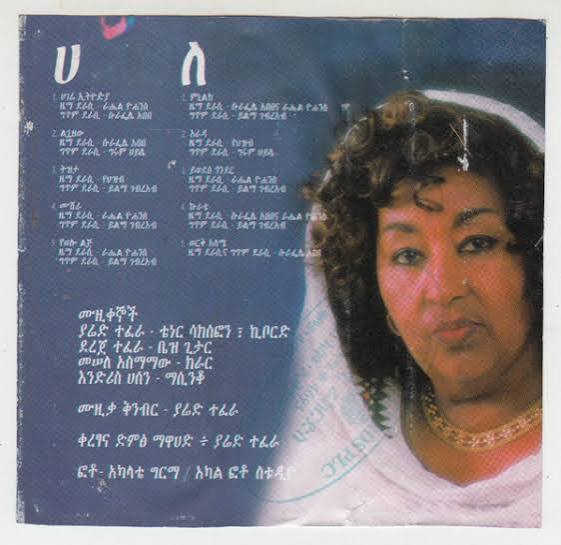
Her songs became landmarks in the emotional geography of Ethiopian life. Menelik, Ethiopia, Arada, To Jerusalem, Tizita, Anchi Balderu, Ayer Ayalachin — these are not merely titles on an album. They are songs that generations of Ethiopians have sung at celebrations, wept to in private moments, and carried with them into the diaspora as a kind of home they could hold in their chests wherever they went.

Beyond the stage, Rahel was an entrepreneur, owning and operating several nightclubs in Addis Ababa — spaces where Ethiopian music and culture could breathe and gather. She understood that artists needed platforms, and she built them.
She leaves behind a legacy that cannot be measured in recordings or awards. She leaves it in the voices of the musicians she inspired, in the audiences she moved, and in the songs that will continue to be sung long after today’s grief has softened into gratitude.
Ethiopia has lost a voice that was, in the truest sense, irreplaceable.