By EBV staff writer
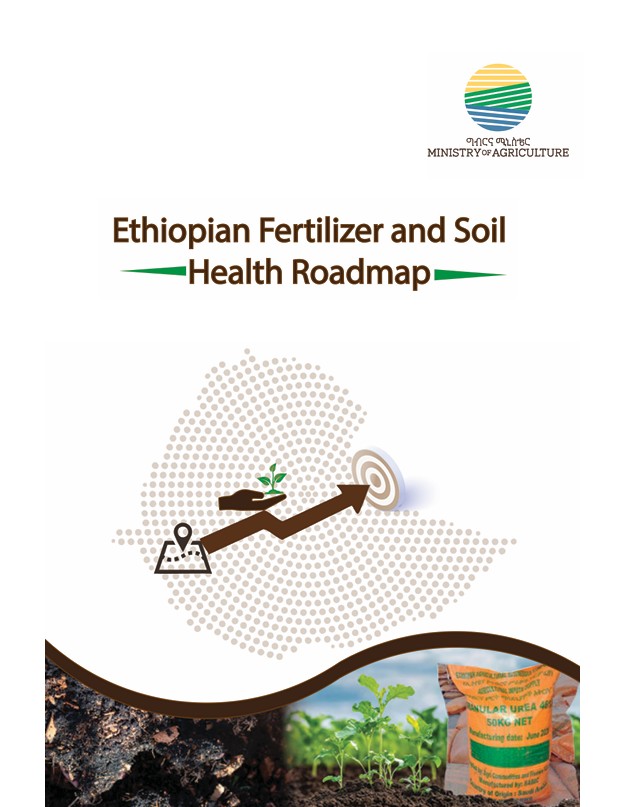
Ethiopia has launched a bold ten-year national roadmap designed to radically transform its agricultural sector by tripling fertilizer use and implementing a large-scale revival of soil health. The Ethiopian Fertilizer and Soil Health (EFSH) Roadmap aims to increase the average fertilizer application rate from 37.8 kg per hectare to at least 100 kg/ha by 2035.
This ambitious target is part of a comprehensive response to critical challenges facing the nation’s farming system, which is the backbone of an economy where agriculture contributes 31.8% of GDP. Despite an annual growth rate of 6.9%, the sector is strained by soil degradation, nutrient depletion, inefficient input use, and climate risks.
The strategy outlines a series of concrete goals for the next decade. It plans to double the land under sustainable soil management from 5.8 to 12.5 million hectares and expand the coverage of integrated soil fertility management to 60% of farmland, up from only 35%. In parallel, it targets the reclamation of 3 million hectares of acid soils.
Key performance indicators include improving nitrogen use efficiency by 20%, raising soil organic carbon content, and enhancing overall soil nutrient levels. These measures are directly linked to boosting cereal yields, with aims to increase teff production from 1.8 to 2.7 tonnes per hectare and wheat from 3.9 to 4.9 t/ha.
Complementing these on-farm activities, the plan involves significant institutional and industrial investment. The establishment of a national reference soil laboratory is anticipated within the year, alongside the development of a major $3 billion local mineral fertilizer manufacturing plant. This facility, to be built through a Public-Private Partnership (PPP) model, is intended to satisfy domestic demand and supply regional markets. The government noted its continued engagement in such ventures, recalling a previous fertilizer plant project with Nigerian billionaire Aliko Dangote.
The roadmap is strategically aligned with continental frameworks, including the African Fertilizer and Soil Health (AFSH) Action Plan, the Comprehensive Africa Agriculture Development Programme (CAADP), and the Malabo and Abuja Declarations. Its mission is to foster inclusive, climate-smart, and evidence-based soil and fertilizer management, ultimately aiming to empower farmers, safeguard ecosystems, and build a climate-resilient agricultural system by 2035.©SECO