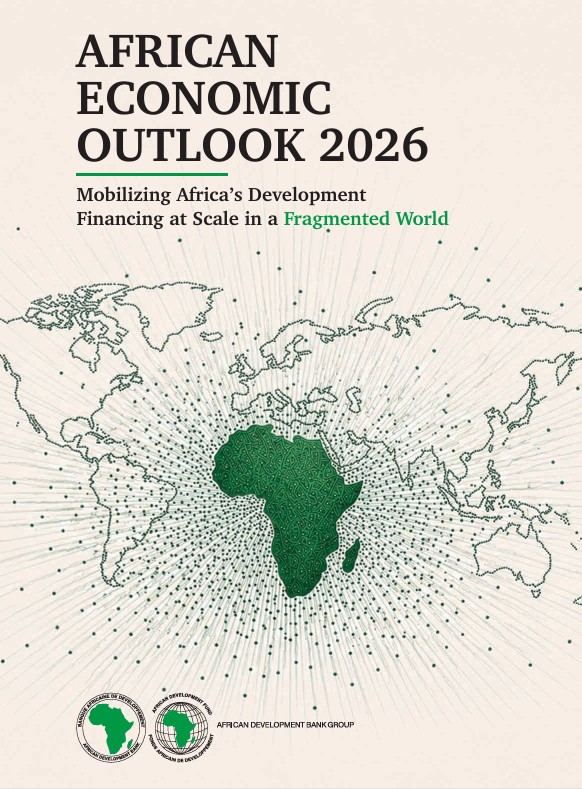
The African continent is demonstrating robust economic resilience in the face of global trade fragmentation and geopolitical headwinds, with overall real gross domestic product expansion outpacing the global average.
According to the latest flagship findings from the African Development Bank, economic growth across Africa is stabilizing above four percent, positioning the continent as the second-fastest growing region in the world.
Driven by improved macroeconomic management, strong agricultural performance, and expanding private investment, dozens of African nations are maintaining growth trajectories that significantly exceed international benchmarks.
Regional performance across the continent reflects diverse economic drivers, with East Africa maintaining its position as the fastest-growing region, fueled by strong agricultural expansion and large-scale infrastructure projects.
West Africa continues to benefit from new hydrocarbon investments and steady agricultural output, while Central Africa sees steady support from elevated commodity prices.
North Africa experiences moderate expansion amid shifting global tourism and trade dynamics, whereas Southern Africa faces more constrained growth due to persistent domestic energy challenges and structural bottlenecks in its largest economies.
Despite these promising headline figures, the African Development Bank cautions that significant macroeconomic pressures continue to strain sovereign balances and domestic household budgets.
While broad inflationary pressures are gradually cooling across the continent from previous historic peaks, high food and energy costs remain embedded in many domestic markets.
Furthermore, rising debt service burdens now consume substantial portions of government revenues across several member states, leaving limited fiscal space for urgent social development and public infrastructure investments.
To convert this cyclical economic recovery into sustainable, long-term poverty reduction, the African Development Bank calls for aggressive structural reforms centered on domestic capital deployment.
Continental economic leaders are urged to bolster domestic tax collection, streamline public investment efficiency, and curb illicit financial outflows.
By modernizing local financial markets, expanding regional energy integration, and fully executing trade under the African Continental Free Trade Area, African nations can unlock massive internal resources to bridge development financing gaps and insulate their economies against future external shocks.SECO