A new watershed restoration initiative in Ethiopia’s Tana Subbasin is targeting degraded landscapes as a way to improve rural water security, protect livelihoods and strengthen communities’ resilience to climate change.
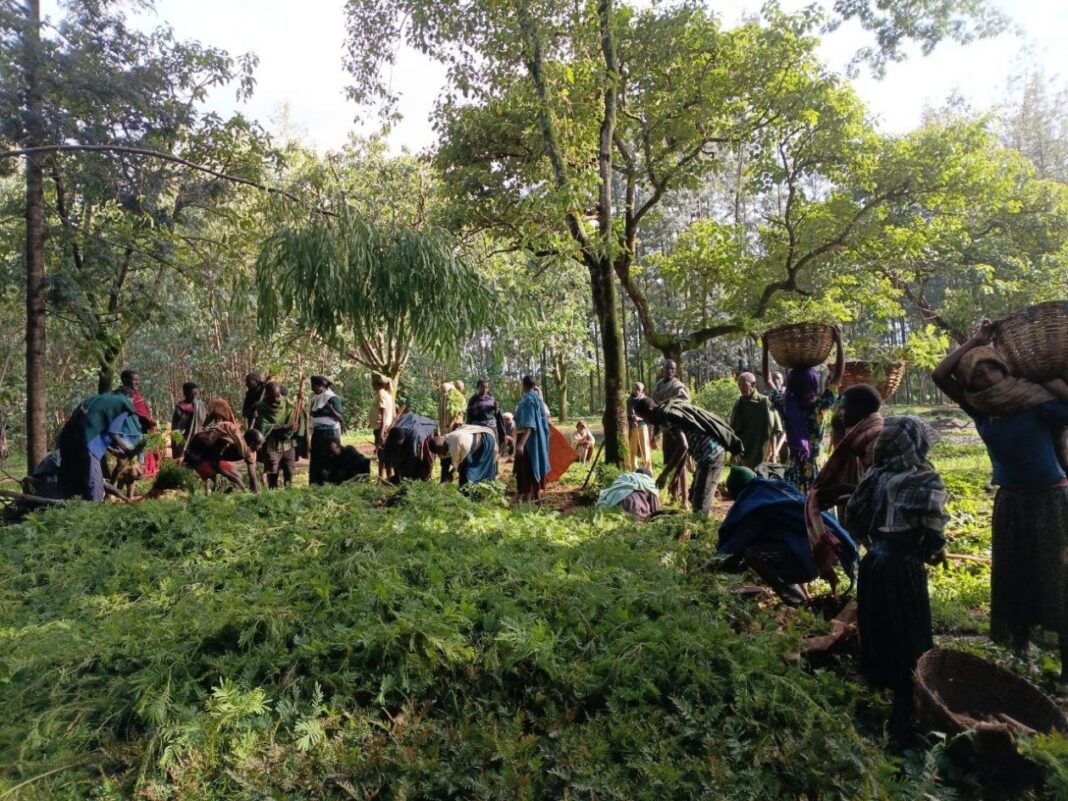
The Protecting Water Supplies and Catchments in Ethiopia’s Tana Subbasin (ProTana) project launched its first major field intervention in July, planting 152,333 tree seedlings across four micro-watersheds in the Amhara Region.
The five-year initiative, led by the World Resources Institute (WRI) in partnership with WaterAid Ethiopia and ORDA Ethiopia, covers parts of North Mecha, Farta and Dera woredas.
The selected watersheds span more than 2,100 hectares and were identified based on water supply importance, ecological degradation, erosion risks, community needs and willingness to participate.
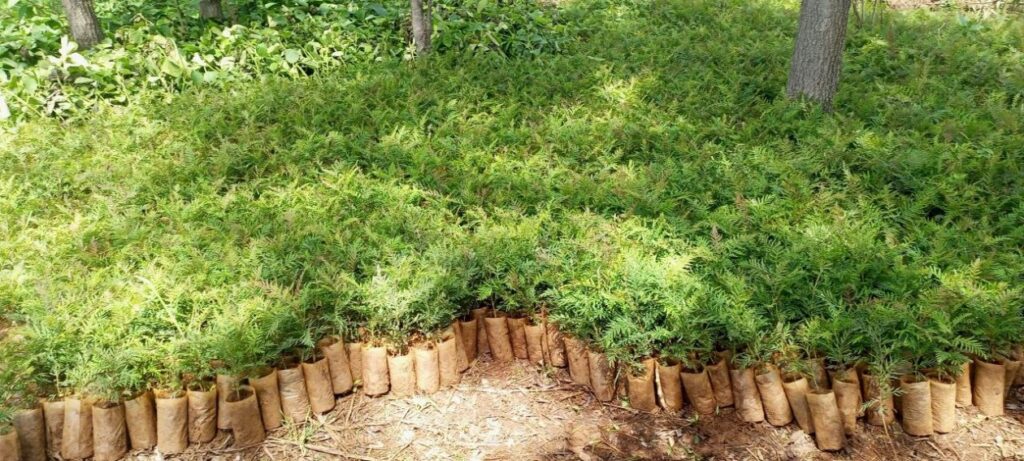
Of the seedlings planted, 93,413 are intended for agroforestry on privately managed land, while 58,920 were planted on communal and institutional land. More than 1,000 people participated in the campaign, with women accounting for nearly half of those involved.
The project will expand beyond tree planting to include terracing, check dams, soil bunds and regenerative agriculture.
WRI said the interventions are intended to restore catchments while improving water availability, agricultural productivity and household livelihoods, creating stronger incentives for communities to protect natural resources over the long term. (World Resources Institute)